
Pruning
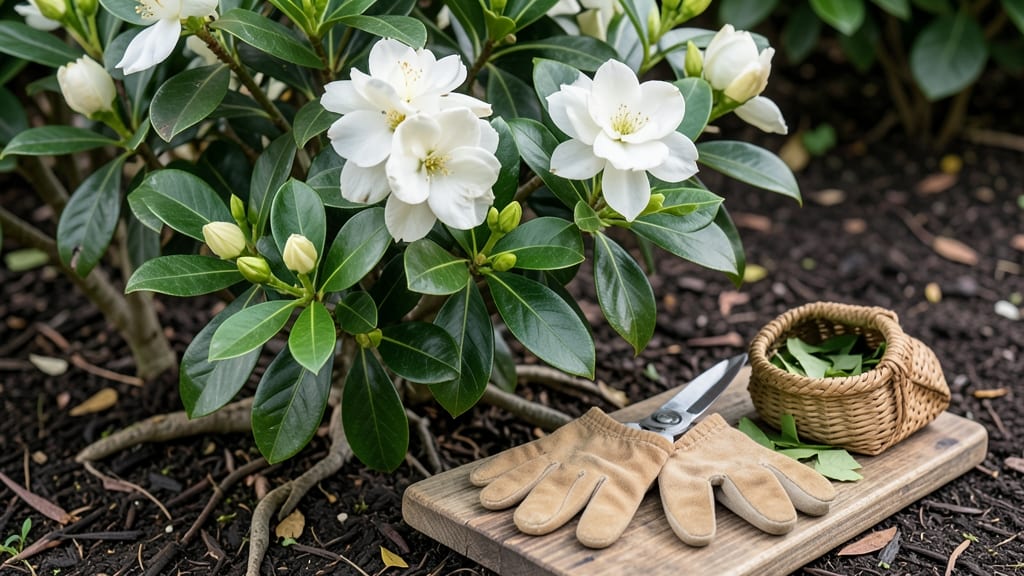
Pruning gardenias in Georgia at the right time—typically late winter to early spring—sets the stage for summer’s most fragrant blooms 🌸.
Here’s the catch: Georgia’s humid climate means timing matters more than most gardeners realize. Prune too early, and frost can damage tender new growth. Too late, and you’ll miss the critical window for shaping your shrubs before the heat sets in.
In this guide, I’ll walk you through the exact late-winter window (Feb–March) for your Georgia zone, how to adjust for early frosts, and the three-step pruning method that keeps your gardenias thriving.
You’ll also learn post-prune care—from fertilizing to pest watch—to ensure your gardenias reward you with months of intoxicating scent instead of struggling to recover.
Best late winter pruning window for Georgia gardenias (with climate zones)
Georgia’s humid subtropical climate creates the perfect conditions for gardenias—but only if you prune at the right time. Unlike northern climates, Georgia’s USDA zones 7a-8b allow late-winter pruning as early as mid-February, but timing depends on your microclimate.
Prune too early, and frost damage risks your cuts; too late, and you miss the optimal growth window before summer’s heat. Let’s pinpoint your exact pruning window based on Georgia’s frost patterns and humidity spikes.
Most gardeners in North Georgia (7a) should wait until late February to early March, while those in Central/South Georgia (7b-8b) can start as early as mid-February. The key is avoiding hard frosts (below 28°F) and high humidity periods that slow wound healing.
Georgia’s average last frost date hovers around March 15, but microclimates near mountains or coastal areas can shift this by 2-3 weeks.
Here’s your climate-zone-specific pruning timeline, including adjustments for early/late frosts and humidity spikes that affect healing:
| Zone | Pruning Window | Frost Risk | Humidity Note | Action |
|---|---|---|---|---|
| 7a (North GA) | Late Feb - Early Mar | High (wait for 28°F+) | Moderate (40-50% RH) | Prune after last frost; sanitize cuts |
| 7b (Central GA) | Mid-Feb - Late Feb | Moderate (28°F+ likely) | High (50-60% RH) | Prune early but avoid rain; seal cuts |
| 8a-8b (South GA) | Early Feb - Mid-Feb | Low (rare frosts) | Very High (60%+ RH) | Prune ASAP; monitor for fungal spots |
| Coastal Areas | Late Jan - Early Feb | Minimal | Extreme (70%+ RH) | Prune with fungicide; thin air circulation |
Georgia’s high humidity after pruning (especially in 7b-8b zones) can turn cuts into fungal buffets. If you prune in February, seal larger cuts with pruning sealant to prevent bacterial blight.
For March pruning, focus on shaping cuts at a 45-degree angle just above a leaf node to encourage faster healing.
Pro tip: Check your local Cooperative Extension Service for real-time frost alerts. In North Georgia (7a), a late frost in early March can delay pruning by 2 weeks—don’t rush! Meanwhile, South Georgia gardeners (8a-8b) can prune as early as late January if temperatures stay above 40°F.
Humidity spikes after pruning? Thin out dense foliage to improve airflow and reduce fungal risks.
One common mistake I see is pruning gardenias in December or January—this forces new growth that freezes back in Georgia’s unpredictable winter. Instead, wait until dormancy lifts (when buds swell but haven’t opened).
For overgrown gardenias, you can do a light structural prune in late winter followed by a rejuvenation prune in early spring to avoid shocking the plant.
If you’re in Zone 7a and see buds swelling by mid-February, that’s your cue to prune. For Zones 7b-8b, aim for early February before humidity peaks.
Remember: Georgia’s clay-heavy soils retain moisture longer, so mulch heavily after pruning to keep roots hydrated during the transition to spring growth.
After pruning, monitor your gardenias for yellowing leaves (a sign of over-pruning) or sticky residue (scale insects). In humid Georgia, a neem oil spray post-pruning can prevent pest outbreaks. For container gardenias, prune slightly earlier (by 1-2 weeks) since pots heat up faster in spring sunshine.
🌸
Step-by-step pruning guide: how to revive gardenias without killing blooms
Pruning gardenias in Georgia isn’t just about shaping—it’s about reviving their blooming potential while avoiding common mistakes that leave them stressed. With the right tools and techniques, you’ll encourage lush, fragrant blooms for years.
Start by gathering your supplies: bypass pruners for clean cuts, rubbing alcohol to sanitize tools, and sharp pruning shears for larger branches.
Before you begin, inspect your gardenia for dead or diseased wood. These branches should be removed first to prevent spread of issues. Next, focus on shaping cuts—never cut more than one-third of the plant’s foliage at once.
Gardenias bloom on new wood, so avoid over-pruning old growth, which can reduce next year’s flowers.
Cut back any brown, mushy, or moldy branches to the base. Sterilize tools between cuts with rubbing alcohol to prevent contamination.
Look for crossing or rubbing branches. Trim these to improve airflow and reduce disease risk. Aim for an open, vase-like shape.
Use hand pruners to trim back overly long branches by 1/3. Avoid cutting into old wood—focus on outer growth to encourage blooms.
After blooming season, snip off faded flowers just above a leaf node. This redirects energy to new growth and more blooms next year.
Rake up clippings to prevent fungal growth. Apply 2-3 inches of mulch around the base to retain moisture and protect roots.
One of the biggest mistakes gardeners make is pruning too late in the season, which can stimulate new growth that won’t harden off before winter. In Georgia’s humid climate, always prune in late winter (February-March), just as new buds begin to form.
This timing ensures your gardenia has time to recover and bloom before the heat of summer.
After pruning, give your gardenia a light fertilizer with a balanced NPK ratio (like 10-10-10) to support new growth. Water deeply at the base to reduce stress and keep the soil moist but not soggy. Avoid overhead watering, which can promote fungal diseases in Georgia’s damp air.
Watch for signs of over-pruning, like sparse foliage or no blooms the following year. If this happens, reduce future cuts and focus on rejuvenation pruning—trimming back only the outermost growth to encourage bushier, healthier plants.
With patience and the right technique, your gardenia will reward you with glorious, fragrant blooms all summer long. 🌸