
Plants
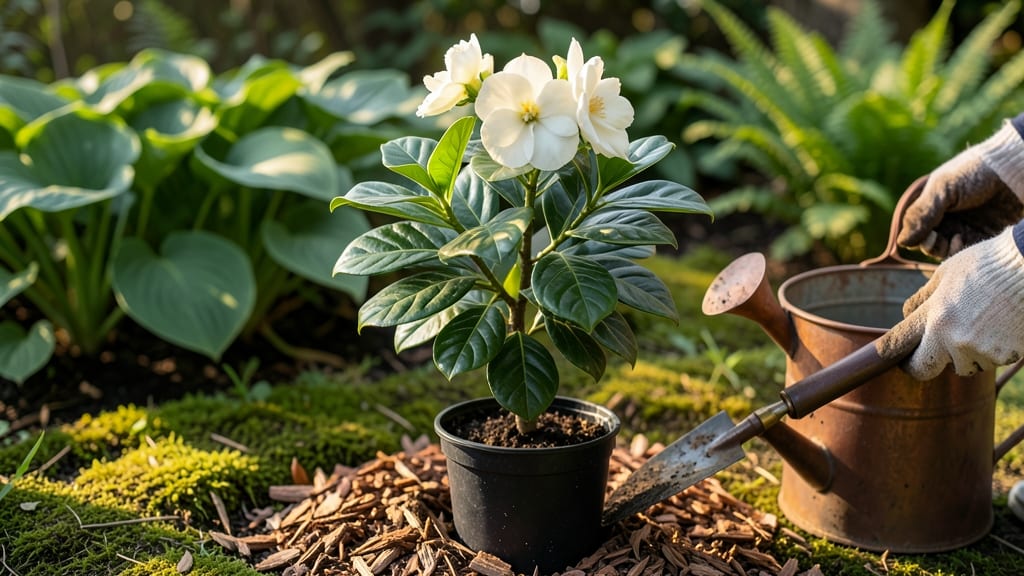
Planting gardenias in Georgia at the right time ensures fragrant blooms and strong root growth before summer heat arrives.
Georgia’s warm climate and humid summers create the perfect conditions for thriving gardenias—but planting them at the wrong time can stunt growth or even kill the plant before it blooms. Timing is everything for these fragrant favorites, and getting it right ensures lush foliage and intoxicating flowers year after year.
For most of Georgia’s 7b-8b zones, the ideal window runs from late March through May, when soil temperatures hit 60°F and the last frost has passed. Coastal areas can plant slightly earlier, while Piedmont regions may need to wait until early April to avoid late cold snaps.
In this guide, I’ll break down the best months for your region, how to prep gardenias for Georgia’s intense summers, and the common mistakes that ruin planting success—so you can enjoy those 🌸 blooms without the stress.
Best planting months for gardenias in Georgia’s climatic zones
Georgia’s diverse climate zones—from the humid coastal plains to the cooler mountain regions—create unique planting windows for gardenias. These fragrant shrubs thrive in USDA Zones 7b-9a, but timing your planting correctly ensures they establish strong roots before summer’s intense heat.
In Zone 7b, where frost lingers until mid-March, aim for late spring, while Zone 9a gardeners can plant as early as February. The key is waiting for soil temperatures to reach at least 60°F and avoiding the dog days of summer.
Container-grown gardenias offer more flexibility, allowing you to plant slightly earlier (as early as February in Zone 8a-9a) or later (June for in-ground planting) since pots warm up faster. However, in-ground plantings benefit from the cooler soil temperatures of spring’s shoulder seasons.
Microclimates—like sheltered spots near buildings or south-facing slopes—can shift your ideal window by 2-4 weeks, so always monitor local conditions.
Here’s a quick reference for Georgia’s zones, including frost-free dates and soil temperature thresholds to guide your timing:
For container planting, you can extend your window slightly earlier (February in Zone 8a-9a) because pots warm up faster than in-ground soil. However, avoid planting containers after May 15 in any zone, as the combination of heat and humidity increases stress.
If you’re planting in June or July, provide afternoon shade and increase watering frequency to daily deep soaks.
In Zone 7b, where late frosts are common, wait until after the average last frost date (typically mid-March) and monitor nighttime temperatures. If a late frost is forecasted, protect young plants with frost cloth or move containers to a sheltered spot.
Gardenias in this zone also benefit from a mulch layer to insulate roots during temperature swings.
Microclimates play a huge role in Georgia. For example, a south-facing slope in Zone 8a might warm up enough for early March planting, while a north-facing yard in the same zone could delay ideal timing until April.
Always test soil temperature with a soil thermometer—plant when it consistently reads 60°F or higher for at least 3 days.
If you miss the spring window, you can still plant gardenias in late summer (August–September), but success depends on providing extra shade and consistent moisture. Avoid planting in October or November, as the shrubs won’t have enough time to establish roots before winter dormancy.
In Zone 9a, where winters are mild, you can even plant in December, but prioritize well-draining soil to prevent root rot.
Pro tip: Harden off container-grown gardenias for 7–10 days before planting by gradually exposing them to outdoor conditions. This reduces transplant shock, especially critical in Georgia’s humid summers.
After planting, water deeply every 2–3 days for the first month to encourage root growth, then taper to weekly deep waterings once established.
🌸
How to prepare gardenia plants for Georgia’s summer heat
Georgia’s intense summer heat and humidity can be brutal on gardenias if they’re not properly prepared. These tropical beauties thrive in warmth but struggle with sudden temperature swings or poor soil conditions. The key to success lies in pre-planting adjustments that mimic their natural habitat while adapting to Georgia’s climate.
Start by selecting heat-tolerant varieties like 'Kleim’s Hardy' or 'Radicans,' which handle humidity better than standard types. These choices give your gardenias a fighting chance against the 90°F+ afternoons common in Atlanta and Savannah.
Before planting, focus on soil preparation—gardenias demand well-draining, acidic soil with a pH between 5.0 and 6.5. Georgia’s native clay soil often compacts, trapping moisture and causing root rot.
Amend your beds with 50% organic matter, like peat moss or composted pine bark, mixed into the top 12 inches. This creates the aeration and acidity gardenias crave, while also improving water retention during dry spells. For container plants, use a specialized azalea mix to replicate these conditions.
Never plant gardenias in Georgia’s peak summer months (June-August). The stress of transplanting combined with extreme heat causes leaf scorch and root failure. Even hardened varieties need 4-6 weeks of acclimation after planting before facing full summer conditions.
If you must plant in late spring, do it before Memorial Day and provide afternoon shade for the first month.
Mulching is another non-negotiable step for summer survival. Apply a 3-inch layer of mulch (preferably pine straw or cypress) around the base of your gardenia, keeping it 2 inches away from the trunk.
This mulch layer acts as a temperature regulator, keeping roots cool during heatwaves while retaining moisture. Replenish mulch every 3-4 months as it breaks down, especially after Georgia’s frequent summer rains that can wash it away.
Watering schedules demand precision during summer. Gardenias need deep, infrequent watering—about 1-1.5 gallons per plant every 2-3 days—but timing matters just as much. Always water in the early morning (6-8 AM) to allow foliage to dry before afternoon humidity peaks.
Avoid evening watering, which promotes fungal diseases like powdery mildew. For newly planted gardenias, monitor soil moisture daily for the first 2 weeks, as they’re most vulnerable to transplant shock during this period.
Finally, consider shade cloth or strategic pruning to protect young plants. If your gardenia is in a full-sun location, install a 30-50% shade cloth during the hottest months (July-August).
For established plants, prune one-third of the oldest growth in early spring to encourage new, more heat-resistant shoots. This renewal pruning also improves airflow, reducing humidity-related stress on the plant.
With these preparations, your gardenias will thrive through Georgia’s summers, rewarding you with fragrant blooms from June through September. The secret lies in mimicking their tropical roots while giving them time to establish before the real heat arrives.
Start these steps now, and you’ll enjoy lush, blooming gardenias for years to come. 🌿☀️💧