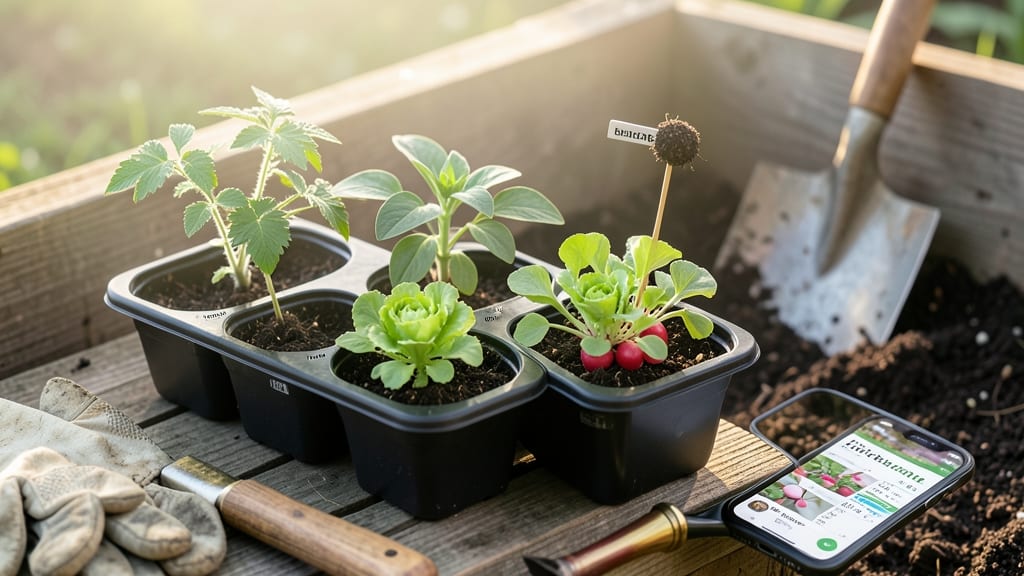
How to adjust planting times for Ohio’s microclimates and frost risks
Ohio’s Zone 5-6 climate creates unique challenges for gardeners, with late spring frosts and early fall heatwaves that can disrupt planting schedules. Even experienced growers must adapt their timelines to protect tender seedlings while maximizing growing seasons.
The key lies in understanding your specific microclimate—whether you're in northern Cleveland or southern Columbus—and using smart strategies to extend your garden's productivity.
One of the first adjustments I make is delaying warm-season crops like tomatoes and peppers until after the average last frost date, which typically falls between May 10-20 in most of Ohio. However, this varies by just 7-10 days between northern and southern regions.
For cooler crops like kale or peas, I often start seeds indoors 4-6 weeks before the last expected frost to give them a head start against unpredictable weather patterns.
⚠️ callout-warning ⚠️
Ohio's Frost Risks: Don't Guess, Protect!
- Late April frosts hit 60% of Ohio annually—wait until May 15 for warm crops
- Early September heatwaves can stress seedlings—use row covers until soil temps stabilize
- Northern Ohio faces 10-14 days later planting than southern regions
Pro Tip: Monitor National Weather Service alerts for your county—localized forecasts beat general planting guides!
For gardeners in microclimates like urban heat islands or protected valleys, I recommend planting 1-2 weeks earlier than regional averages. These areas often warm up faster in spring and retain heat longer in fall. Conversely, open fields and elevated areas stay colder longer, requiring delayed planting by 7-10 days.
A simple soil thermometer ($15 at garden centers) helps me make these adjustments—ideal soil temps for warm crops are 60°F+.
My go-to frost protection method is using floating row covers (like Reemay fabric) over seedlings until May 30. This extends the growing season by 2-3 weeks without stunting growth. For extreme cold snaps, I combine row covers with cloches or even upside-down buckets over individual plants.
The secret is ventilating covers during warm days to prevent heat stress—I prop them open with sticks or bricks when temps exceed 75°F.
Choosing frost-tolerant varieties also gives me flexibility. Swiss chard, spinach, and radishes can handle light frosts, while bush beans and zucchini thrive in Ohio's short summer.
I've had success with early-maturing tomatoes like 'Stupice' (55 days) that I plant by May 1 and harvest before September's heat sets in. For perennials, I focus on hardy natives like coneflowers and black-eyed Susans that establish roots early and survive Ohio's first frost around October 15.
Finally, I never underestimate the power of succession planting. By staggering lettuce, carrots, and radishes every 2 weeks from April through July, I ensure a continuous harvest.
This strategy works especially well in Ohio's variable climate, where some plantings may fail due to unexpected frosts while others thrive. The result? A longer harvest window and less waste—exactly what Ohio gardeners need to make the most of their short growing season.
★★★★★4.9(15 reviews)
|