
Plants
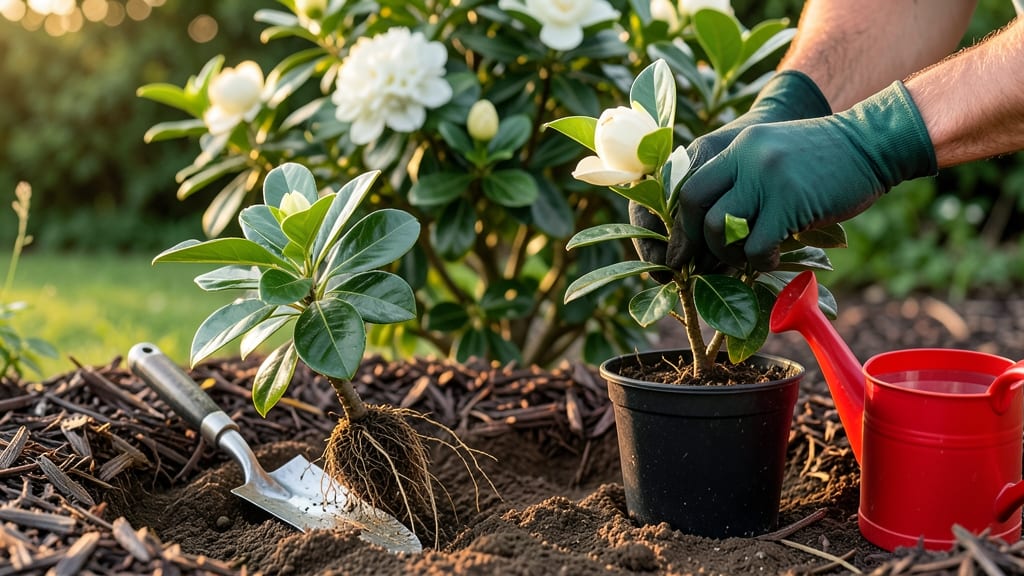
Plant gardenias in Texas between February and April to give them the best shot at thriving before the brutal summer heat arrives.
Texas gardeners know the struggle of waiting for gardenias 🌸 to bloom—only to realize the timing was off. Planting these fragrant shrubs at the wrong time can mean weak growth, fewer flowers, or even failure to thrive in the Lone Star State’s intense heat.
Your region matters: North Texas gardeners should aim for February or March, while those in Central or South Texas can wait until March or April. The key is beating the heat without exposing young plants to late frosts that can still linger in some areas.
In this guide, I’ll break down the best months by Texas zone, share soil prep secrets, and show you how to keep your gardenias blooming like a pro—no matter where you live in the state.
Best planting months for gardenias in Texas by region (north vs. Central vs. south)
Texas gardeners know that timing is everything when planting gardenias. These fragrant shrubs thrive in spring but struggle with summer heat and winter frosts. The best planting window varies dramatically from North Texas to South Texas, with each region offering unique climate challenges.
Plant too early, and you risk frost damage; too late, and the brutal summer sun can shock young roots. Let’s break down the optimal planting months for each Texas region to ensure your gardenias grow strong and bloom beautifully.
Gardenias are tropical-loving plants that prefer warm soil and mild air temperatures. In Texas, this means avoiding both late winter frosts and mid-summer heatwaves. The ideal window is when soil temperatures reach 60-65°F and nighttime lows stay above 40°F.
This balance ensures roots establish before the stress of extreme heat sets in. For most gardeners, this translates to planting between February and May, but the exact timing depends on where you live in the state.
Here’s the key difference: North Texas gardeners should plant earlier to beat frost, while South Texas gardeners can wait longer to avoid summer’s worst heat. Central Texas falls somewhere in the middle, offering a slightly extended window.
Understanding your region’s last frost date and summer onset is critical—miss the mark, and your gardenias may struggle to thrive. Let’s dive into the specifics for each region to help you choose the perfect time.
In North Texas, where winters can still bring freezing temperatures into March, the window is tight. Planting between February and early March gives gardenias enough time to establish roots before summer’s relentless heat arrives.
Cities like Dallas and Fort Worth typically see their last frost around February 15, so don’t wait too long—young gardenias are particularly vulnerable to cold snaps.
I’ve seen gardeners in this region rush to plant in January only to watch their delicate new shrubs wilt during a late frost. Patience is key: wait until the danger of frost has passed completely.
For Central Texas, including Austin and San Antonio, the planting window stretches slightly longer into April. This region benefits from a more moderate climate, with last frosts usually occurring by March 15. However, the trade-off is that summer heat can arrive earlier than in North Texas.
Planting in March or early April ensures your gardenias have a few weeks to settle in before the 100°F+ temperatures of July and August. I recommend monitoring local weather forecasts—if a heatwave is predicted, delay planting until conditions cool slightly.
In South Texas, including Houston and the Rio Grande Valley, gardeners can plant as late as early May. The region’s warmer climate means frost is rarely a concern, but the real challenge is avoiding the oppressive summer heat.
Planting in April or early May gives gardenias time to establish before the worst of the heat sets in around June. I’ve noticed that gardenias planted in June or July often struggle to recover, showing stunted growth or even dying back.
The key here is to water deeply and mulch heavily to protect young roots from drying out.
Regardless of where you live in Texas, there are a few universal rules for planting gardenias successfully. First, always choose a well-draining, acidic soil with a pH between 5.0 and 6.0. Gardenias hate soggy roots, so amend heavy clay soils with compost or peat moss.
Second, plant in a location with morning sun and afternoon shade—Texas’s afternoon heat can scorch leaves. Finally, water thoroughly after planting and keep the soil consistently moist for the first few weeks. A 2-3 inch layer of mulch will help retain moisture and regulate soil temperature.
One common mistake I see is planting gardenias in containers without proper drainage. While potted gardenias can thrive in Texas, they require larger containers (at least 15 gallons) and regular watering to prevent root rot.
If you’re growing in pots, place them in a shaded patio or under a pergola to protect them from the harshest sun. I’ve also found that dwarf varieties, like ‘Radicans’ or ‘Kleim’s Hardy,’
How to time gardenia planting for maximum blooms in Texas heat
Timing is everything when planting gardenias in Texas, where summer heat can turn a promising young shrub into a wilting mess. The key is to establish roots before the 100°F+ temperatures arrive—typically by late April in most regions.
I’ve learned from experience that gardenias planted too late struggle to adapt, resulting in stunted growth and sparse blooms.
Start by choosing a cool-season window (February-April for most Texans) when soil temperatures stay below 75°F. This gives your gardenia’s roots time to spread before the brutal Texas sun peaks. I always test soil temps with a soil thermometer—if it’s above 80°F, wait another week.
🌸 Texas Gardenia Planting Timeline
North Texas (Zones 7b-8a)
✅ Best Month: February-March
🌡️ Soil Temp: 60-70°F
⚠️ Risk: Late frost possible
Central Texas (Zones 8a-8b)
✅ Best Month: March-April
🌡️ Soil Temp: 65-75°F
⚠️ Risk: Heat stress after April 15
South Texas (Zones 9a-10b)
✅ Best Month: April (early)
🌡️ Soil Temp: 70-78°F
⚠️ Risk: Heat stress after April 30
Pro Tip: Mulch with 3-4 inches of pine bark to keep roots cool and retain moisture during Texas's dry spells.
Before planting, amend your soil with peat moss or sulfur to lower the pH to 5.0-6.0—gardenias are finicky about acidity. I mix in composted pine needles for a slow-release acid boost.
Dig a hole twice as wide as the root ball but only as deep—burying too deep can suffocate the plant.
Watering is critical during the first 60 days after planting. I water deeply every 2-3 days in the morning to prevent fungal issues. Avoid overhead sprinklers—soak the root zone directly instead. During Texas’s summer droughts, I increase watering to daily for young plants.
After the initial root-establishment phase, shift to partial shade (morning sun only) to protect new growth. I’ve seen gardenias planted in full sun wilt dramatically by July—even drought-tolerant varieties. Prune lightly in late spring to encourage bushier growth, but never cut into old wood.
Finally, fertilize sparingly. I use a balanced acid-loving fertilizer (like 6-6-6) every 6 weeks during spring and fall, but skip summer feeding—your gardenia will thank you with more blooms next season. The secret to Texas gardenia success? Patience and preparation before the heat hits.