
Planting
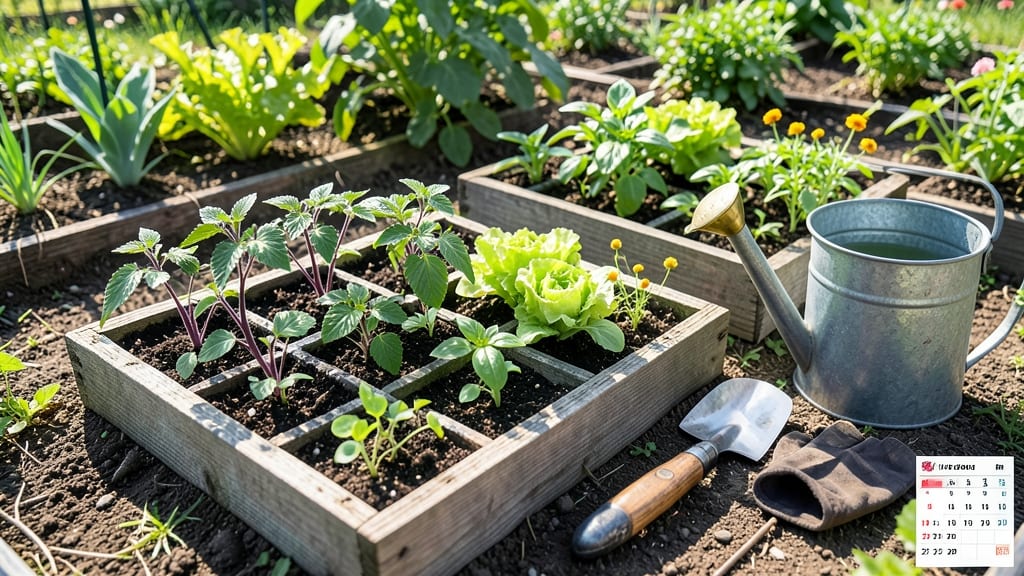
Planting a garden in Zone 7 means timing is everything—get it right, and you’ll enjoy a bountiful harvest; get it wrong, and your hard work could go to waste.
Zone 7 gardeners face a unique challenge: balancing early warmth with late-season heat to maximize harvests—plant too early, and frost threatens; too late, and crops bolt before peak flavor. Timing is everything.
With the right schedule, you can grow everything from cool-season greens in spring to heat-resistant tomatoes in summer. Below, I’ll break down the perfect planting windows for your Zone 7 garden, so you never miss a season again.
Whether you’re sowing seeds in March or prepping for fall crops, this guide ensures your garden thrives year-round with minimal stress and maximum yield.
Zone 7 planting calendar: exact dates for cool-season vs heat-loving crops
Mastering the Zone 7 planting calendar means understanding your 1800-2400 growing degree days and last frost dates (March 15-April 15). This transitional zone demands precision—cool-season crops like lettuce and peas need early starts, while tomatoes and peppers thrive only after soil warms to 60°F+.
Get the timing wrong, and you'll either lose tender seedlings to frost or watch heat-sensitive plants bolt before harvest.
My Zone 7 garden thrives when I align planting with soil temperature thresholds and moon phases (yes, really!). For example, spinach and kale can handle light frosts, but cucumbers and squash won't germinate until the ground reaches 70°F.
Below, I’ve broken down the exact monthly windows for your most-loved crops, plus pro tips to stretch your growing season.
📅 Key Dates for Zone 7:
- Last Frost: March 15 (Zone 7a) / April 1 (Zone 7b)
- First Frost: November 15 (Zone 7a) / November 1 (Zone 7b)
- Growing Degree Days: 1800-2400 (long enough for 2 harvests/year!)
| 🌱 Plant | 📅 Planting Window | 🌡️ Soil Temp (°F) | 🌱 Type | 📅 Harvest Window |
|---|---|---|---|---|
| Lettuce | Feb 15 - Mar 31 Aug 15 - Sep 15 |
45-65°F | Cool-Season | Apr-Jun Sep-Oct |
| Tomatoes | Apr 15 - May 15 Jun 15 (succession) |
60-70°F | Warm-Season | Jun-Oct |
| Peppers | Apr 20 - May 10 | 70-80°F | Warm-Season | Jul-Oct |
| Green Beans | Apr 15 - Jun 1 Jul 15 (succession) |
55-70°F | Warm-Season | Jun-Sep |
| Carrots | Feb 20 - Apr 15 Aug 1 - Sep 15 |
50-70°F | Cool-Season | May-Jul Sep-Oct |
| Cucumbers | May 1 - Jun 1 | 70-85°F | Warm-Season | Jul-Sep |
| Spinach | Feb 1 - Mar 15 Aug 15 - Sep 10 |
40-60°F | Cool-Season | Mar-May Sep-Oct |
| Basil | May 10 - Jun 10 | 60-75°F | Warm-Season | Jun-Sep |
How to adjust planting times for Zone 7's unpredictable weather patterns
Zone 7's unpredictable weather can turn a thriving garden into a gamble—late frosts in April or sudden heatwaves by May throw off even the most careful plans.
I’ve learned to adapt by using succession planting and heat-tolerant varieties that outperform traditional crops when temperatures spike. The key is flexibility, not rigid schedules.
My first strategy? Planting cover crops like clover or winter rye in early spring. These green manures suppress weeds, improve soil, and act as living mulch to protect tender seedlings from late frosts.
I sow them in February and till them under 2 weeks before my target planting date—usually mid-April for cool-season crops.
⚠️ 7-Day Frost Warning Checklist
Day 1-3: Move potted seedlings to sheltered spots or under frost cloth.
Day 4-5: Water container plants thoroughly to add insulation.
Day 6-7: Cover in-ground crops with row covers or straw mulch at night.
💡 Pro Tip: Use a frost alarm (available for ~$20) to wake you up if temps drop below 32°F.
For heat-sensitive crops like lettuce or spinach, I’ve switched to succession planting every 2 weeks from April through June. This ensures a steady harvest before the July heatwave forces bolting. My go-to varieties now include Malabar spinach and Swiss chard, which handle 90°F+ days better than traditional leafy greens.
When early heat arrives, I prioritize okra and southern peas, which thrive in Zone 7’s humidity and long summer days. I direct-sow these in late May, giving them a 120-day head start before the first frost.
Their deep roots also help them survive dry spells—critical in Zone 7’s unreliable rainfall patterns.
Another trick? Shade cloth over seedlings during peak afternoon sun (2 PM–5 PM). I use 30% shade fabric for tomatoes and 50% for basil, which bolts within days if stressed. This buys me 2–3 extra weeks of productive growth before I need to harvest or replace plants.
Finally, I monitor the National Weather Service’s 7-day forecasts and adjust planting dates dynamically. If a heatwave is predicted, I delay cool-season crops by 1–2 weeks or switch to heat-tolerant varieties. The goal? Match planting to real-time conditions, not a calendar. 🌱