
Planting
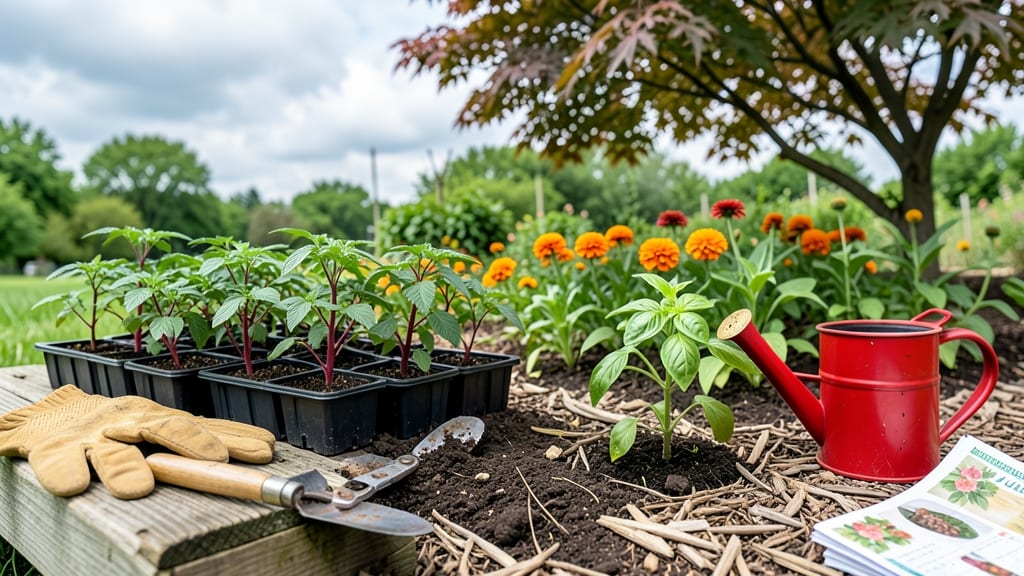
Planting your garden in Tennessee at the right time means the difference between a bountiful harvest and a season of disappointment.
Tennessee’s climate shifts dramatically from the cool mountain zones to the hotter valleys, and getting the timing wrong can leave you with wilted seedlings or stunted growth. But with the right strategy—accounting for frost dates, soil temperatures, and your specific zone—you can turn your garden into a thriving success.
Whether you’re in East Tennessee’s 6a-7b zones or the warmer West, the key is knowing when to start seeds indoors and when to plant directly outdoors. I’ll walk you through the exact windows, soil prep tips, and how to adjust for urban vs. rural growing conditions.
By the end, you’ll have a clear plan tailored to your corner of Tennessee—so you can finally stop guessing and start growing.
Tennessee planting zones: when to start seeds indoors vs. direct sowing outdoors
Tennessee spans USDA zones 6a through 8a, meaning your planting schedule should vary depending on whether you're in the cooler mountains (Zone 6a) or warmer valleys (Zone 8a).
Understanding these zones helps you decide when to start seeds indoors versus planting directly outdoors to maximize growth and avoid frost damage. For example, Zone 6a gardeners should start cool-season crops indoors in February, while Zone 8a gardeners can direct sow warm-season crops as early as March.
Cool-season crops like lettuce, spinach, and peas thrive when planted 4-6 weeks before your last frost date. In Tennessee, that typically means starting them indoors in February or early March (Zone 6a) or March (Zone 7a-8a).
Warm-season crops like tomatoes, peppers, and cucumbers, however, need to wait until after the last frost and when soil temperatures reach at least 60°F, usually April to May.
Here’s a quick reference for Tennessee’s average last frost dates by zone:
- Zone 6a (e.g., Knoxville, Chattanooga): March 15
- Zone 7a (e.g., Nashville, Memphis): March 1
- Zone 7b (e.g., Clarksville, Jackson): February 28
- Zone 8a (e.g., Chattanooga valleys, Nashville outskirts): February 15
| Zone | Indoor Seed Start (Cool-Season) | Outdoor Planting (Cool-Season) | Indoor Seed Start (Warm-Season) | Outdoor Planting (Warm-Season) |
|---|---|---|---|---|
| 6a (e.g., Knoxville) | Feb 1 - Mar 1 | Mar 15 - Apr 15 | Mar 1 - Apr 1 | May 1 - May 15 |
| 7a (e.g., Nashville) | Feb 15 - Mar 15 | Mar 1 - Apr 1 | Feb 20 - Mar 15 | Apr 15 - Apr 30 |
| 7b (e.g., Jackson) | Feb 20 - Mar 15 | Feb 28 - Mar 15 | Feb 28 - Mar 15 | Mar 20 - Apr 15 |
| 8a (e.g., Chattanooga valleys) | Mar 1 - Mar 15 | Feb 15 - Mar 1 | Mar 1 - Mar 15 | Mar 1 - Mar 31 |
*Dates are approximate; adjust for microclimates and frost risks.
For cool-season crops, direct sowing outdoors should happen 2-4 weeks before your last frost date. In Zone 6a, that’s typically mid-March, while in Zone 8a, you can start as early as mid-February.
If you’re unsure, use row covers to protect young seedlings from unexpected late frosts, which can still occur in April even in warmer zones.
Warm-season crops like tomatoes and peppers need 60-70°F soil temperatures to germinate. In Tennessee, this usually aligns with late April to early May for most zones.
However, if you’re eager to get a head start, you can begin indoor seed starting in late February or early March (depending on your zone) to transplant seedlings outdoors after the last frost. This method gives your plants a
Soil temperature guide: the exact degrees that determine planting success
Soil temperature isn’t just about whether your plants will grow—it’s the deciding factor between thriving harvests and wasted seeds in Tennessee. Unlike air temperature, soil warmth dictates when roots can absorb nutrients and establish properly.
For example, tomatoes and peppers won’t germinate until the soil hits 60°F, while spinach and carrots prefer cooler 40-50°F ranges. Ignoring these thresholds means risking slow starts, poor yields, or even seed rot.
Testing soil temperature is simpler than you think. Use a soil thermometer (available for under $10) and check readings in the morning when soil is most stable. Stick the probe 2-3 inches deep—this is where most seeds germinate.
In Tennessee’s USDA Zones 6a-7b, soil temps can lag 10-15°F behind air temps, so don’t rely on warm spring days alone. For instance, a 70°F afternoon might still leave your soil at 55°F—too cool for cucumbers or squash.
Adjusting planting times based on soil temperature can save your garden. In Zone 6a (eastern Tennessee), where late frosts linger until mid-April, wait until soil hits 55°F before planting broccoli or cabbage.
Meanwhile, in Zone 7b (western Tennessee), you can plant squash as early as mid-March if soil reaches 60°F. Pro tip: Use black plastic mulch to warm soil 5-10°F faster in cooler zones, or straw mulch to slow warming in hot valleys.
Late frosts are Tennessee’s biggest soil-temperature wildcard. If your area averages late-April frosts, delay planting warm-season crops until May 1, even if air temps feel spring-like. For example, sweet potatoes need soil at 70°F—planting them in 55°F soil will stunt their growth for weeks.
Always cross-reference soil temps with your local UT Extension frost dates for the most accurate timing.
Don’t let a few warm days trick you into planting too early. I once rushed tomato seeds into 50°F soil in early April, only to watch them rot beneath the surface. The lesson? Wait for consistency. Check soil temps for 3 consecutive days above the threshold before planting.
For herbs like basil, which need 60°F+, I’ve started seeds indoors in late February and transplanted only after soil warms—this gives me a 2-week head start on the season.
If your soil is too cold, try seedling transplants instead of direct sowing. Hardy starts like kale or radishes can handle 45°F soil, while tender peppers need 70°F+.
For a 30-day jumpstart, use a mini greenhouse or row cover to trap heat. Just remember: no shortcuts with soil temperature—it’s the foundation of your garden’s success.