
Planting
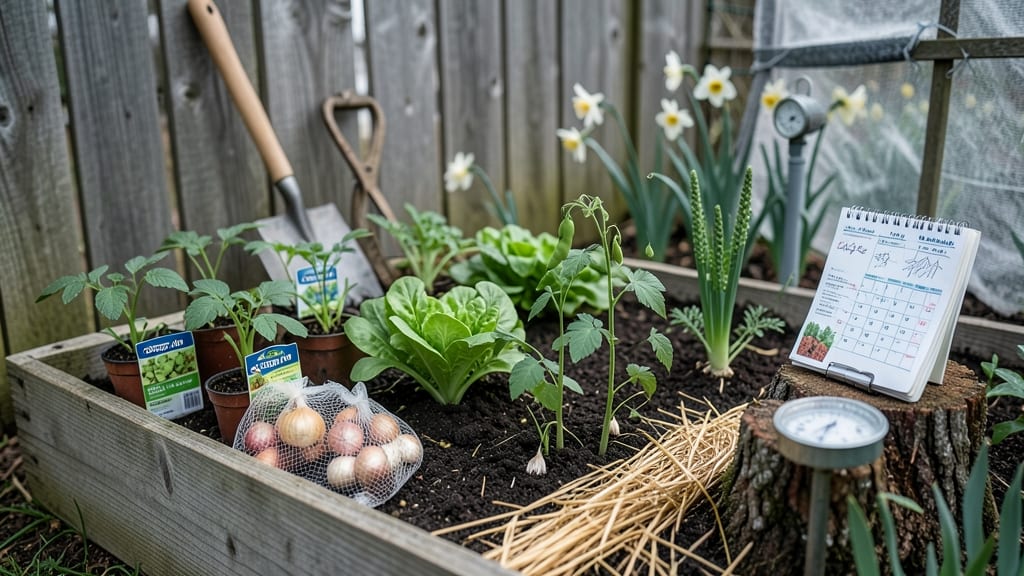
Planting your garden in Oregon at the right time means the difference between a harvest of vibrant veggies and a sad, stunted mess.
Oregon’s diverse microclimates—from coastal fog to high-desert heat—can turn gardening success into a guessing game if you plant at the wrong time. Get the exact timing for your zone to grow vegetables that thrive, not struggle.
Whether you’re in the Willamette Valley or the Columbia Gorge, knowing when to start seeds indoors, transplant seedlings, or sow directly is the key to avoiding frost damage and maximizing yields.
Below, I break down the perfect planting windows for your region, plus tips to adjust for Oregon’s unpredictable weather—so you can finally get that garden you’ve been dreaming of.
Oregon planting zones & microclimate-specific timing for vegetables
Oregon’s USDA zones 5-9 create a gardening puzzle, especially with its four distinct microclimates. The Willamette Valley enjoys mild winters, while the Coast stays chilly longer. Meanwhile, the High Desert warms up faster, and the Columbia Gorge has its own unique rhythm.
Knowing your last-frost dates is critical—plant too early, and frost will kill tender seedlings.
For coastal Oregon (Zone 7-8), last frosts typically arrive between April 15-May 1, but inland areas like the Willamette Valley (Zone 8-9) can see frost-free conditions as early as March 15-April 15.
The High Desert (Zone 6-7) often warms up by April 1-May 15, while the Columbia Gorge (Zone 6-8) varies widely due to elevation shifts.
Here’s your microclimate-specific planting guide, including exact last-frost dates and ideal windows for tomatoes, peppers, lettuce, and more. Use this to sync your planting with Oregon’s unpredictable weather patterns.
| Region | USDA Zone | Avg. Last Frost | Tomatoes (Transplant) | Peppers (Transplant) | Lettuce (Direct Sow) |
|---|---|---|---|---|---|
| Coastal Oregon | 7-8 | April 15-May 1 | May 15-June 1 | May 1-June 15 | March 15-April 30 |
| Willamette Valley | 8-9 | March 15-April 15 | April 15-May 15 | April 1-May 15 | February 15-March 30 |
| High Desert | 6-7 | April 1-May 15 | May 15-June 15 | May 1-June 1 | March 1-April 15 |
| Columbia Gorge | 6-8 | April 1-May 1 | May 1-June 1 | April 15-May 30 | March 1-April 15 |
In the Willamette Valley (Zone 8-9), you can start warm-season crops like tomatoes and peppers as early as mid-April, but coastal gardeners should wait until mid-May to avoid frost damage. Lettuce and spinach thrive in cooler temps, so coastal gardeners can sow seeds as early as February, while inland areas can start in March.
For High Desert gardeners (Zone 6-7), the growing season is shorter, so focus on fast-maturing varieties of tomatoes and peppers. Plant cool-season crops like kale and carrots in early spring (March) or late summer (August) to avoid extreme heat.
The Columbia Gorge offers a mix—plant early-maturing crops in lower elevations and hardier varieties at higher altitudes.
Pro tip: Use row covers or cold frames to extend your planting window in cooler microclimates. This lets you start tomato seedlings indoors 6-8 weeks before your last frost date, giving them a head start.
For coastal areas, wait until soil temps reach 50°F (10°C) before planting—cold soil slows germination.
Oregon’s first-frost dates also vary wildly. Coastal areas may see frost as late as November 15, while inland zones can experience frost by October 15. Plan your fall planting accordingly—broccoli and cabbage can handle cooler temps, but peppers and eggplants need to be harvested before frost arrives.
If you’re unsure about your exact last-frost date, check local weather stations or use Almanac’s Frost Calculator. For coastal gardeners, add 2-3 weeks to inland dates—fog delays warming.
In the High Desert, account for hotter days and cooler nights by mulching to retain moisture and protect roots.
Start with cool-season crops like lettuce, peas, and spinach in early spring, then transition to warm-season favorites (tomatoes, peppers, squash) after your last frost. Succession planting every 2-3 weeks ensures a steady harvest. For example, sow bush beans every 10 days from May to July for continuous production.
How to adjust planting dates for Oregon’s unpredictable weather patterns
Oregon’s weather can shift from coastal chill to inland heat in a single week, making planting dates tricky. The key is flexibility—adjusting your schedule to protect tender seedlings and extend growing seasons. I’ve learned that microclimate awareness and season-extending tools are my best allies when Mother Nature throws curveballs.
For example, coastal areas like Astoria might still see frost in May, while Bend could be planting tomatoes by mid-April. The solution? Use local frost date guides as starting points, then modify based on your yard’s specific conditions.
Even a 50-foot elevation change can mean weeks of difference in planting windows.
Here’s my go-to strategy for handling Oregon’s weather quirks: start with frost-free averages, then add a 2-4 week buffer for coastal zones or high deserts. The goal is to avoid late spring frosts that can wipe out young plants overnight.
5 Key Adjustments for Oregon Gardeners
- 1. Use cold frames for early starts 🌱
- 2. Deploy row covers for late frosts (try frost cloth rated for 28°F)
- 3. Practice succession planting every 2-3 weeks to stagger harvests
- 4. Plant heat-lovers (like okra) in high desert areas where summers stay hot
- 5. Monitor soil temps—45°F+ is ideal for most seeds to germinate
One of my biggest lessons? Don’t rush—coastal gardeners should wait until after Mother’s Day for warm-season crops, while inland areas can plant peppers and tomatoes as early as mid-April.
I’ve had tomato seedlings fried by 90°F soil in June, so I now test soil temps with a thermometer before planting heat-sensitive crops.
For fall planting, I focus on cold-hardy greens like kale and spinach, which I direct-sow in late summer (August-September) to harvest before winter. The Willamette Valley often gets mild winters, so I can grow garlic and onions through the season with just a light mulch.
Remember: Oregon’s unpredictable weather is part of the challenge, but with these adjustments, you can turn it into an advantage. Start with local extension office data, then trust your own observations—your garden’s microclimate is the final authority. Happy planting! 🌿