
Container Gardens
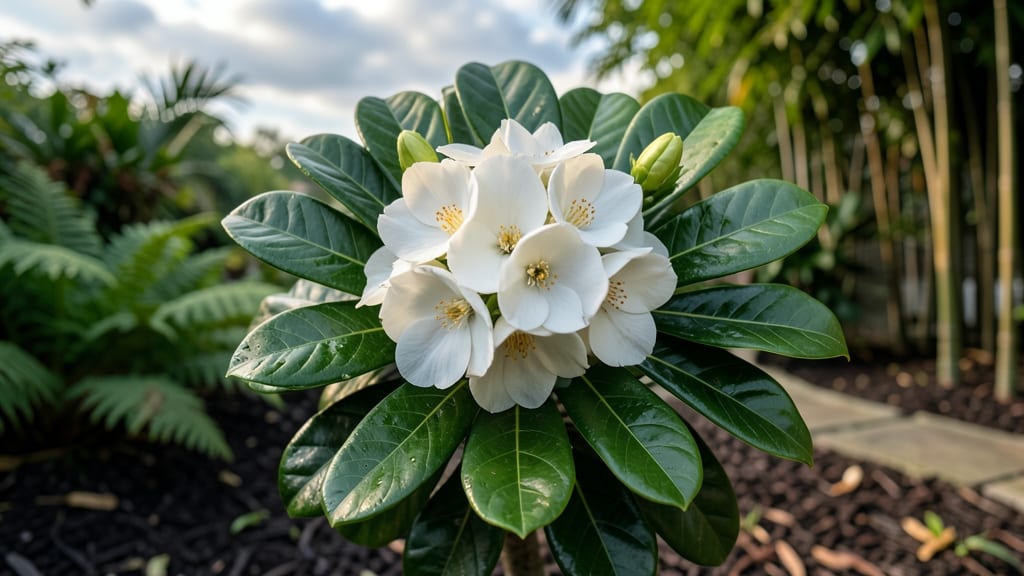
Gardenias thrive in the USDA growing zones 8-11, where warm climates and frost-free winters keep these fragrant shrubs blooming year-round 🌸.
Struggling to get your gardenia to bloom? The secret might be hiding in the climate zones where these fragrant beauties thrive—and where they’ll fight for survival.
In cooler zones like 9b (or 7-10), gardenias need extra care to survive winter, while zones 10 and 11 offer ideal conditions with minimal fuss. Whether you're in California’s coastal charm or a slightly chillier region, knowing your zone is the first step to lush, fragrant blooms.
Below, I’ll break down the best zones for gardenias, how to extend their range in colder climates, and the care tweaks that make all the difference—so you can enjoy those intoxicating blooms no matter where you live.
USDA growing zones for gardenias: where to plant for maximum blooms
If you’ve ever dreamed of filling your garden with the intoxicating scent of gardenias, you’re not alone—but these tropical beauties demand the right climate to thrive.
Gardenias (Gardenia jasminoides) are native to warm, humid regions and flourish in USDA zones 8 through 11, where frost-free winters and high humidity create their ideal environment.
Outside these zones, they’ll struggle to bloom, often suffering from leaf drop, bud failure, or even death when exposed to cold snaps or dry air.
The key to success lies in understanding your microclimate—not just your hardiness zone. Even within zones 8-11, factors like humidity levels, afternoon shade, and soil drainage can make or break your gardenia’s performance.
For example, a gardenia in Zone 9a might thrive in a coastal area with high humidity but fail inland where summers are drier. Let’s break down the zones where gardenias shine and what they need to reach their full blooming potential.
In Zone 8, gardenias are on the edge of their tolerance, especially in areas with dry summers or cold winters. Here, they’ll need extra winter protection, like burlap wraps or frost blankets, and should be planted near southern-facing walls to capture warmth.
Even a single frost can kill unprotected gardenias, so container gardening is a smart workaround for Zone 8 gardeners—just move pots indoors or into a garage during winter.
Zones 9a and 9b are the sweet spot for gardenias, offering the perfect balance of warmth and humidity. In these zones, gardenias can be planted outdoors year-round with minimal fuss, provided they get partial shade and consistent moisture.
Coastal areas in Zone 9b—like parts of California or Florida—are especially ideal because the maritime climate keeps humidity high and temperatures mild. If you’re in a hot inland Zone 9a, though, you’ll need to shield plants from afternoon sun to prevent leaf burn.
For gardeners in Zones 10 and 11, the news is even better: gardenias will thrive with minimal care. These regions mimic the plant’s native tropical habitat, with high humidity, warm winters, and long growing seasons.
In these zones, gardenias can bloom year-round if given the right conditions—though they’ll still need acidic soil (pH 5.0-6.5) and protection from drying winds. If you’re in a humid subtropical zone (e.g., Hawaii or southern Florida), you might even see multiple bloom cycles per year.
One of the biggest mistakes gardeners make is assuming that USDA zones alone determine success. Microclimates play a huge role—especially humidity. Gardenias despise dry air, which is why they often struggle in arid Zone 8 areas or indoor settings with low humidity.
To boost humidity around your plants, try these tricks: group them with other plants, use a pebble tray with water, or install a small fountain nearby. Even a mist spray in the morning can help mimic their natural tropical environment.
Another critical factor is frost-free periods. Gardenias need at least 240 frost-free days per year to establish roots and bloom reliably. In Zone 9
How to extend gardenia growing zones in cold climates with smart care
Living in USDA zones 7 or below doesn’t mean you have to give up on gardenias. With the right strategies, you can push these tropical beauties just a few zones beyond their comfort range 🌿.
The key lies in mimicking their natural humid, frost-free environment while protecting them from cold snaps.
Container gardening is your best friend when extending gardenia zones. Pots allow you to move plants indoors or into greenhouses during winter, while also giving you control over soil conditions.
Pair this with winter protection techniques like mulching and frost blankets, and you’ve created a microclimate that keeps your gardenia thriving even in colder regions.
🌱 5 Smart Ways to Extend Gardenia Zones
- 1. Container Culture: Use 15+ gallon pots with drainage for mobility. Move indoors when temps drop below 40°F.
- 2. Winter Blankets: Wrap plants in burlap or frost cloth when temps near freezing. Add mulch around the base.
- 3. Heat Tolerance Hacks: Provide afternoon shade in Zone 8+ summers to prevent leaf scorch.
- 4. Microclimate Magic: Plant near south-facing walls or under eaves to trap heat.
- 5. Seasonal Soil Swaps: Use peat-based potting mix in containers to maintain acidity (pH 5.0-6.5).
For gardeners in Zone 7-8, container gardening combined with seasonal adjustments works wonders. Start by selecting a dwarf gardenia variety like 'Kleim's Hardy'—it’s bred for colder tolerance and blooms reliably in Zone 7b with protection.
Place your potted gardenia near a sunny window during winter months to supplement natural light.
Don’t overlook the power of seasonal pruning to encourage bushier growth. Prune lightly in early spring to remove dead wood and shape the plant, but avoid heavy cuts that stress the shrub.
Pair this with a monthly feeding schedule using acidic fertilizer (like 6-6-6 NPK) during the growing season to keep your gardenia blooming even in marginal zones.
In Zone 6 or colder, consider growing gardenias as houseplants year-round. Place them near a bright, east-facing window and supplement with grow lights in winter. These tropical plants love humidity, so mist the leaves regularly or use a pebble tray with water to recreate their natural environment.
Remember, gardenias reward patience. With these zone-extending techniques, you’ll enjoy those creamy white blooms and intoxicating fragrance—no matter where you live 🌸.