
Planting
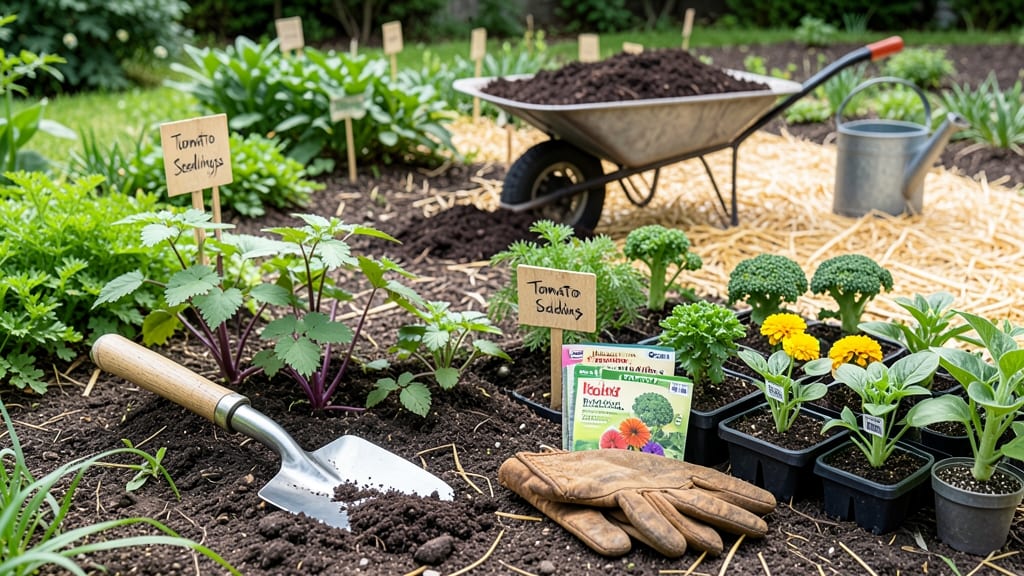
Planting a garden in Missouri at the right time means the difference between a bountiful harvest and a wasted season — and the exact timing depends on whether you're in the cooler north or the warmer south.
Missouri’s diverse climate—from humid southern regions to cooler northern zones—means planting your garden at the wrong time can spell disaster for your crops. Get the exact frost-date schedule tailored to your Missouri region to maximize your harvest and avoid common gardening mistakes.
If you’ve ever rushed to plant too early and watched frost nip your seedlings, or waited too long and missed the ideal window, you know timing is everything. The last frost dates vary by 50 days across the state, so a one-size-fits-all approach won’t work.
Below, I break down the best planting windows by region, when to start seeds indoors, and how to prep your soil for a head start—so you can finally get that garden thriving from spring to fall.
Missouri frost dates by region: exact planting windows for vegetables
Missouri's five distinct regions create wildly different planting windows for your garden. The Northern and Central areas face later last frosts, while the Bootheel and Southeast enjoy longer growing seasons.
Understanding these frost date averages helps you time cool-season crops like spinach and kale for spring, while warm-season plants like tomatoes and peppers get planted after the last frost threat.
I've spent years tracking frost patterns across Missouri, and these regional averages will help you avoid common mistakes like planting tomatoes too early or missing the fall planting window for broccoli.
Whether you're in the cool Ozarks or the humid Bootheel, knowing your exact frost dates means more successful harvests and fewer wasted seeds.
Here's the regional frost-date breakdown you need to plan your 2024 Missouri garden with confidence:
| Region | Avg Last Frost | Avg First Frost | Cool-Season Planting | Warm-Season Planting |
|---|---|---|---|---|
| Northern | April 20-30 | October 15-25 | March 15-April 15 | May 10-June 1 |
| Central | April 10-20 | October 20-Nov 5 | March 1-April 10 | May 1-April 15 |
| Ozarks | April 15-25 | October 25-Nov 10 | March 10-April 10 | May 1-April 20 |
| Bootheel | March 15-April 5 | November 10-20 | February 15-April 1 | April 1-May 10 |
| Southeast | March 20-April 10 | November 5-15 | February 1-April 5 | April 10-May 15 |
For Northern Missouri, where frosts linger until late April, I recommend starting cool-season crops like lettuce and peas indoors in late February.
The Central region offers a slightly longer window, perfect for early spinach and radishes by March 1st. Meanwhile, gardeners in the Bootheel can begin planting warm-season crops like squash as early as April 1st.
One trick I use is to plant cold-hardy crops like kale and broccoli in late summer for a fall harvest. In Northern Missouri, aim for August 15th, while Southeast Missouri can extend this until September 15th.
These fall planting windows often yield sweeter, more flavorful vegetables than spring plantings.
If you're in USDA Zone 5b (Northern Missouri), consider using row covers to extend your spring planting window by 2-3 weeks. For Zone 6b-7a areas (Bootheel/Southeast), you might even squeeze in a second planting of beans or cucumbers in early July for a late-summer harvest.
Pro tip: Always check your local microclimate. A hilltop garden in the Ozarks might frost 5-7 days earlier than a valley location. Use a frost calendar from your nearest Missouri Extension office for the most precise dates.
For
Best vegetables to plant in Missouri by season: a month-by-month guide
Missouri gardeners know timing is everything—plant too early, and frost will nip your seedlings. Too late, and summer heat will stress heat-sensitive crops. My month-by-month guide breaks down the best vegetables to plant each month, tailored to Missouri's USDA zones 5b–7a and regional microclimates.
Start with cold-hardy crops like kale and spinach in early spring, then transition to warm-season favorites like tomatoes and peppers as temperatures rise. Southern Missouri's longer growing season lets you plant later, while northern areas need earlier starts. Let's dive into the exact planting schedule for maximum harvests.
- 🌱 January–February: Start cool-season seeds indoors (lettuce, onions, peas) or plant garlic and potatoes in well-drained soil.
- 🌱 March: Direct-sow spinach, kale, and carrots after last frost (typically mid-March in southern MO, late April in northern MO).
- 🌱 April: Plant broccoli, cabbage, and beets. Begin warm-season starts indoors (tomatoes, peppers, eggplants).
- 🌱 May: Transplant tomatoes, peppers, and basil after soil warms to 60°F+. Direct-sow beans, cucumbers, and squash.
- ☀️ June–July: Focus on succession planting (lettuce, radishes) for fall harvests. Watch for pests like squash bugs.
- 🌿 August: Sow cool-season crops (spinach, arugula) for fall harvests. Plant garlic for next year.
- 🍂 September–October: Extend season with row covers for kale, Brussels sprouts, and carrots. Harvest late tomatoes and peppers.
- ❄️ November–December: Plant cover crops (clover, winter rye) to protect soil. Plan next year’s garden layout!
Missouri’s humid summers demand succession planting—sow fast-growing crops like radishes or bush beans every 2 weeks to keep harvests rolling. For northern Missouri, wait until after May 15 to plant warm-season crops, while southern Missouri can start as early as April 1.
Don’t overlook fall planting—many crops thrive in cool autumn temperatures. Try broccoli, cabbage, and carrots in late summer for harvests before winter. Use black plastic mulch to warm soil early in spring or straw mulch to retain moisture in summer’s heat.
Pro tip: Keep a gardening journal to track your local frost dates and adjust planting times yearly. Missouri’s climate shifts—what worked last year might need tweaking this season! 🌱
For container gardening, prioritize compact varieties like bush beans, cherry tomatoes, and dwarf peppers. Containers warm up faster in spring, letting you plant 2–3 weeks earlier than in-ground beds. Just ensure pots have drainage holes to prevent root rot.