
Planting
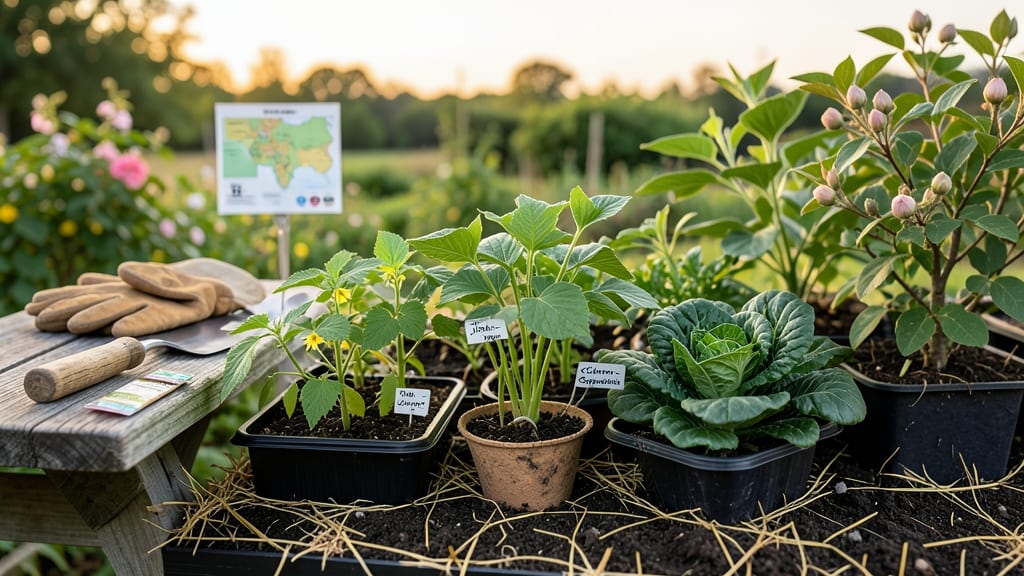
Planting your garden in Georgia at the right time means the difference between a bountiful harvest and wasted effort.
Georgia’s warm climate and diverse USDA zones (7a–8b) make gardening year-round possible—but timing is everything to avoid frost damage and maximize yields. Plant too early, and your seedlings will shrivel; too late, and you’ll miss peak harvests.
Whether you’re sowing cool-season greens in late winter or heat-loving tomatoes in spring, knowing the exact frost-free dates for your zone is the key. Below, I’ll break down the best planting windows for Georgia’s top crops, including regional adjustments for Atlanta, Savannah, and beyond.
You’ll learn how to align your planting schedule with Georgia’s 210–240 frost-free days, which crops thrive in each season, and how to handle unpredictable weather—so you can grow more with less guesswork.
Georgia’s frost-free dates by USDA Zone: when to plant cool vs warm season crops
Georgia’s USDA zones 7a–8b create a unique gardening climate where both cool-season crops and warm-season crops thrive—but only if planted at the right time.
The average last frost date ranges from mid-March in Zone 7a to early March in Zone 8b, while the first frost typically arrives between mid-November and late October, depending on elevation and location. Understanding these frost-free windows is critical to avoid frost damage and ensure healthy growth.
For cool-season crops like lettuce, spinach, and peas, planting begins as early as late February in Zone 8b but waits until early March in Zone 7a. These frost-tolerant plants can even handle light frosts, making them ideal for Georgia’s early spring and fall gardens.
Meanwhile, warm-season crops such as tomatoes, peppers, and cucumbers must wait until after the last frost date, with soil temperatures reaching at least 60°F for optimal germination.
Regional microclimates further complicate timing. Cities like Atlanta (Zone 7b) experience later frosts than Savannah (Zone 8a), while mountainous areas in North Georgia (Zone 7a) can see frosts up to two weeks later than coastal regions. Always check local frost alerts from the University of Georgia Extension or NOAA for real-time adjustments.
Here’s a zone-by-zone breakdown of Georgia’s frost-free dates and ideal planting windows for both cool-season and warm-season crops, including critical exceptions for frost-sensitive plants.
| USDA Zone | Avg. Last Frost | Avg. First Frost | Cool-Season Planting | Warm-Season Planting | Frost-Tender Plants |
|---|---|---|---|---|---|
| 7a (North GA) | March 15 | November 1 | Late Feb–Early Apr Late Aug–Mid Oct |
After April 15 Soil ≥60°F |
Tomatoes, Peppers, Basil |
| 7b (Atlanta) | March 1 | November 15 | Late Feb–Early Mar Late Aug–Late Sep |
After March 20 Soil ≥60°F |
Cucumbers, Okra, Eggplant |
| 8a (Macon) | February 25 | November 20 | Mid Feb–Late Mar Late Aug–Early Oct |
After March 1 Soil ≥60°F |
Sweet Potatoes, Melons, Corn |
| 8b (Savannah) | February 15 | December 1 | Late Jan–Early Apr Late Aug–Mid Nov |
After February 20 Soil ≥60°F |
Peppers, Basil, Squash |
*Adjust dates 1–2 weeks earlier for coastal areas or later for high elevations.
In Zone 7a, gardeners should prioritize early spring planting of cool-season crops like broccoli and kale by late February, while warm-season crops like tomatoes and peppers can’t go in until after April 15.
The shorter frost-free season in this zone means fall planting must start by mid-August to harvest before the first frost in early November.
For Zone 8b, the longer growing season allows for two full harvests of warm-season crops. Start early spring plantings of peppers and eggplants by late January under row covers, and extend the season into late fall by planting kale and spinach as early as mid-August.
However, heat-sensitive crops like lettuce will bolt in summer, so focus on shade-tolerant varieties or use shade cloth during peak heat.
One common mistake Georgia gardeners make is planting warm-season crops too early, only to see them wilt or rot when nighttime temperatures dip below 50°F. Always use a soil thermometer to confirm temperatures are consistently above 60°F before planting.
For frost-tender plants, consider using black plastic mulch or row covers to extend the season by 2–4 weeks.
Best planting schedule for Georgia’s top 10 vegetables: from lettuce to tomatoes
Georgia gardeners know timing is everything—especially when spring transitions to summer heat and fall brings early frosts. The wrong timing can mean bolting lettuce or stunted tomatoes. My 10-year experience growing in Zone 8b taught me that succession planting and heat-tolerant varieties are game-changers.
Let’s dive into the month-by-month schedule for Georgia’s most popular vegetables, including direct-sowing vs. transplanting tips to keep your harvests bountiful year-round.
Start with cool-season crops like lettuce and spinach in early spring (February–March) and fall (August–September). These thrive in 60–70°F soil but bolt when temperatures rise above 75°F.
For warm-season crops like tomatoes and peppers, wait until after last frost (mid-April in most of Georgia) and ensure soil temps hit 65°F or higher. Succession planting every 2–3 weeks ensures a continuous harvest.
- February–March: Direct-sow lettuce, spinach, radishes, and peas. Transplant onions and broccoli.
- April: Start tomato and pepper seedlings indoors. Direct-sow carrots, beans, and cucumbers after last frost.
- May–June: Transplant tomatoes, peppers, and eggplants. Succession plant okra and sweet potatoes.
- July–August: Sow fall lettuce, kale, and collard greens. Avoid planting heat-sensitive crops like cucumbers.
- September–October: Direct-sow radishes, turnips, and spinach for winter harvests.
For tomatoes, my go-to heat-tolerant varieties like ‘Celebrity’ or ‘Solar Fire’ handle Georgia’s 90°F+ days better than traditional types. Plant them in late April–early May with cage support and mulch to retain moisture. Succession plant every 2 weeks until mid-July for a staggered harvest.
Avoid planting in July–August—the heat stresses young plants, leading to blossom drop.
Lettuce and spinach are cool-season stars, but they bolt when days lengthen in late spring. To extend harvests, use shade cloth (30–50%) during peak afternoon sun.
For fall plantings, start seeds in late July–early August for a September–November harvest before frost. Succession plant every 10–14 days to avoid gaps in your salad bowl.
Don’t overlook okra and sweet potatoes, two heat-loving Georgia staples. Plant okra in May–June for a summer-long harvest, and slips in late May–early June for sweet potatoes.
Both thrive in full sun and well-draining soil, making them perfect for Georgia’s long, hot summers. Avoid planting sweet potatoes too early—they rot in cool, wet soil.
Pro tip: Use a soil thermometer to check temps before planting warm-season crops. Soil should be at least 65°F for tomatoes and peppers, and 70°F for squash and melons.
If temps are too low, wait 1–2 weeks or use black plastic mulch to warm the soil faster. Fall planting is just as critical—don’t rush cool-season crops in late summer; give them time to establish before first frost.