
Planting
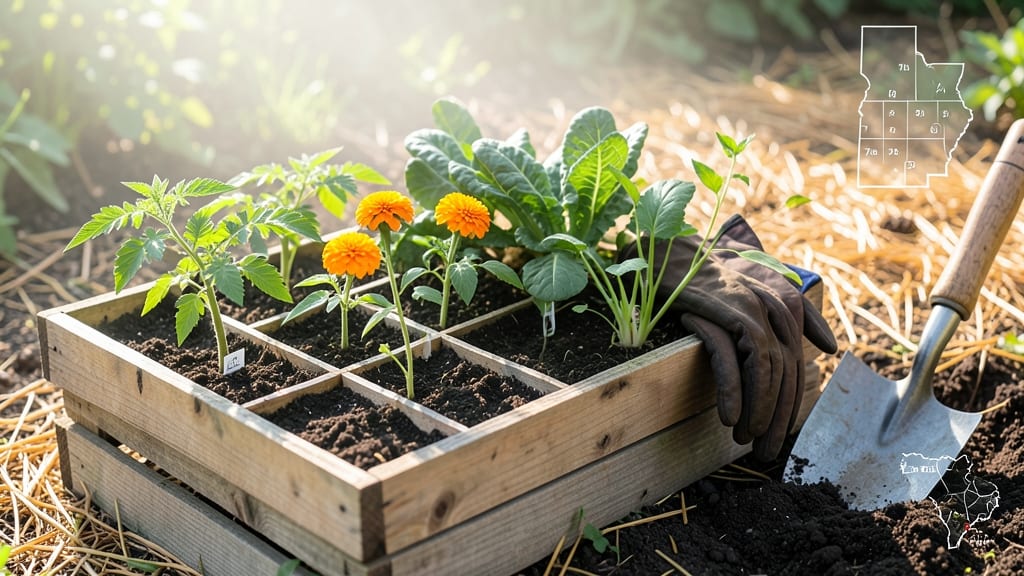
Planting a garden in Georgia at the right time means the difference between a thriving harvest and a lost season.
Georgia’s warm climate and diverse growing zones mean your garden’s success hinges on planting at the perfect time—too early and frost strikes, too late and pests take over. Whether you’re in the humid Coastal Plains or the cooler Mountain regions, knowing when to plant saves you from costly mistakes.
Spring planting kicks off as early as February in South Georgia, but wait until March in the Piedmont and April in the Mountains. Meanwhile, fall crops like collards and turnips can go in as late as October, giving you a second growing season.
Below, I’ll break down the exact planting windows for your zone, plus tips to adjust for Georgia’s unpredictable weather. Ready to grow like a pro?
Georgia planting calendar by Zone: exact dates for cool vs warm season crops
Georgia’s USDA zones 7a-8b create a gardener’s paradise with extended growing seasons, but timing is everything. In Zone 7a (North Georgia), last frosts average March 15-30, while Zone 8b (South Georgia) stays frost-free until January 15.
This means your cool-season crops like lettuce and broccoli have a narrow window—plant too late, and summer heat will bolt them.
For warm-season crops like tomatoes and peppers, wait until soil temperatures hit 60°F+. In Zone 7a, this typically aligns with April 15-May 1, while Zone 8b gardeners can start as early as March 1.
Heat-tolerant varieties like okra and sweet potatoes thrive in Zone 8’s longer summers, giving you a second planting chance in July-August.
Here’s your zone-specific planting calendar, including frost-free dates, ideal transplant windows, and heat-tolerant alternatives for Zone 8:
| Zone & Frost Dates | Cool-Season Crops (Transplant) | Warm-Season Crops (Transplant) | Heat-Tolerant Alternatives (Zone 8b) |
|---|---|---|---|
| Zone 7a (Last Frost: March 15-30) | Broccoli: Feb 15-Apr 15 Lettuce: Feb 1-Mar 15 Spinach: Feb 1-Apr 1 |
Tomatoes: Apr 15-May 1 Peppers: Apr 15-May 1 Cucumbers: May 1-15 |
Okra: May 15-July 1 Sweet Potatoes: May 15-June 15 Southern Peas: June 1-July 15 |
| Zone 7b (Last Frost: March 1-15) | Kale: Feb 1-Apr 30 Carrots: Feb 15-Apr 15 Radishes: Feb 1-Mar 30 |
Eggplant: Apr 1-May 15 Green Beans: Apr 15-May 30 Basil: May 1-June 1 |
Black-Eyed Peas: May 1-July 1 Collard Greens: May 15-Aug 1 Malabar Spinach: June 1-Aug 15 |
| Zone 8a (Last Frost: Jan 15-Feb 15) | Cabbage: Oct 15-Mar 15 Turnips: Oct 1-Nov 15 Peas: Nov 1-Feb 15 |
Tomatoes: Feb 15-Apr 1 Peppers: Feb 15-Apr 15 Squash: Mar 15-Apr 30 |
Cowpeas: Apr 15-July 30 Yams: Apr 15-June 15 Jute Mallow: June 1-Aug 30 |
| Zone 8b (Last Frost: Jan 15) | Arugula: Sep 15-Feb 15 Mustard Greens: Oct 1-Mar 15 Beets: Oct 15-Feb 15 |
Tomatoes: Jan 15-Apr 1 Peppers: Jan 15-Apr 15 Okra: Mar 15-July 1 |
Sweet Potatoes: Mar 15-June 1 Garden Eggs: Apr 1-July 15 Cassava: Apr 15-July 30 |
*Dates are averages—always check local frost-free forecasts and soil temperatures before planting.
In Zone 7a, I start my cool-season crops indoors in January to give seedlings a head start before the last frost. Use row covers to protect tender greens like lettuce if nighttime temps dip below 30°F. For warm-season crops, wait until the soil reaches 60
How to adjust planting times for Georgia’s microclimates and unpredictable weather
Georgia’s diverse landscapes—from the Coastal Plain to the Blue Ridge Mountains—create microclimates that can shift your planting windows by weeks. Even within USDA Zones 7a-8b, a valley might stay frost-free while a hilltop still sees late freezes.
Learning to read these local patterns lets you extend seasons, avoid crop losses, and even double your harvests.
Start by tracking your area’s last frost date (typically mid-March in South Georgia to early April in the North) and first frost date (usually mid-November in the mountains). But don’t rely solely on averages—unpredictable weather can push these dates by 2-3 weeks.
For example, 2023’s late frost in Atlanta delayed tomato plantings by 3 weeks for many gardeners.
⚠️ callout-warning ⚠️
Even after average last frost dates, late freezes can hit April 15-30. Protect tender plants like tomatoes and peppers with row covers or wait until May 1 in high-risk areas. Use a soil thermometer—shoot for 60°F+ before planting warm-season crops.
🌱 Pro Tip: Plant fast-maturing varieties (e.g., ‘Early Girl’ tomatoes in 55 days) as a backup if frost warnings appear.
To combat Georgia’s unpredictable weather, I’ve adopted three key strategies: season extension tools, flexible planting dates, and smart variety selection. For instance, I use low tunnels to start spinach and kale in early February (Zone 8a), while cold frames let me harvest lettuce until December.
These tools add 4-6 weeks to both spring and fall growing seasons.
For warm-season crops like okra and sweet potatoes, wait until soil temperatures hit 70°F+—usually mid-April in South Georgia but late May in the mountains. Test with a soil thermometer for accuracy.
If your area has hot summers (common in Zone 8b), opt for heat-tolerant varieties like ‘Creole’ tomatoes or ‘Black Beauty’ eggplants that thrive in 90°F+ heat.
Create a personalized planting checklist to stay ahead of Georgia’s weather quirks. Note your local frost dates, monitor NOAA forecasts for freeze warnings, and adjust based on soil conditions.
For example, if March rains delay soil warming, switch to cool-season crops like radishes (ready in 25 days) instead of waiting for tomatoes.
Remember, Georgia’s humidity and variable rainfall can stress plants. Use mulch to retain moisture in drought-prone areas (common in Piedmont) and drip irrigation to avoid fungal diseases from overhead watering.
By combining local knowledge with adaptive tools, you’ll turn Georgia’s unpredictable weather into an advantage for a longer, more productive garden.