
Planting
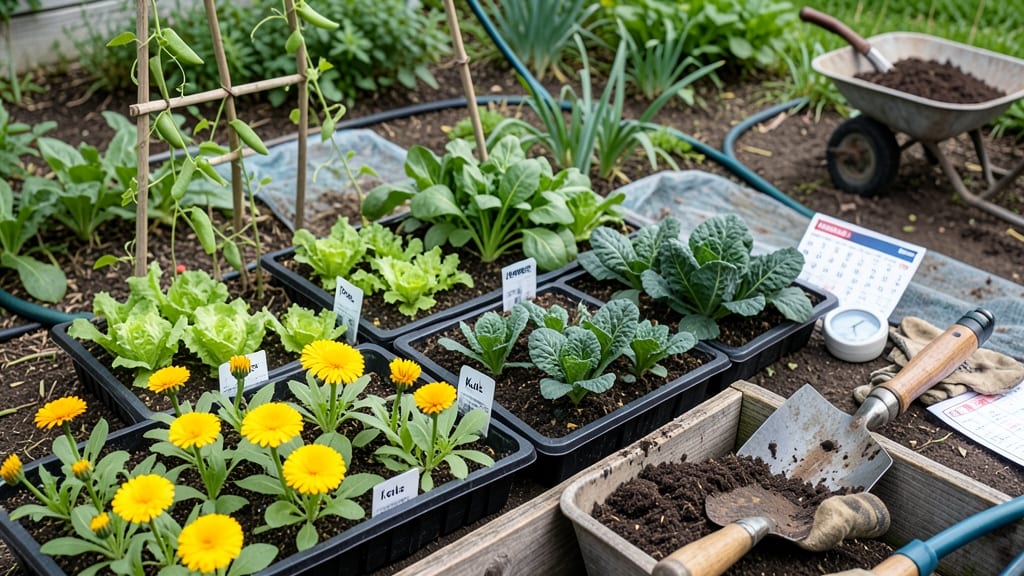
Planting a garden in Colorado depends on your elevation — get it wrong, and you’ll either lose seedlings to frost or waste weeks waiting for the soil to warm.
Colorado’s diverse elevations—from high mountain valleys to Front Range foothills—create wildly different planting windows. A 5,000-foot garden in Boulder might be ready in early May, while a 7,500-foot plot in the Rockies waits until June. Miss the mark, and you risk frost-killed seedlings or wasted effort.
This guide breaks down the exact frost dates by elevation zone, so you know when to plant cool-season crops like spinach (as early as March in lower zones) and warm-season staples like tomatoes (after mid-May in most areas).
You’ll also learn how to adjust for microclimates—whether you’re battling urban heat islands, Chinook winds, or rocky soil—and which row covers or cold frames can stretch your growing season by weeks.
Colorado frost dates by elevation: your planting timeline
Colorado’s last frost dates vary dramatically by elevation, making a one-size-fits-all planting guide impossible. At 2,500 feet in Denver, you might plant peas in March, while at 8,000 feet in the mountains, those same seeds could freeze solid.
Understanding your elevation zone is the first step to avoiding frost-killed seedlings or wasted garden beds.
Most Colorado gardeners fall into three key elevation ranges: 2,500–5,000 feet (Front Range), 5,000–7,500 feet (mountain foothills), and 7,500–10,000 feet (high valleys).
Each zone has its own average last frost dates, but don’t rely solely on averages—watch for Chinook winds, which can temporarily warm soil by 20°F overnight and extend your growing season.
Cool-season crops like spinach, kale, and peas thrive in Colorado’s short springs. Plant them 4–6 weeks before your last frost date for early harvests. Warm-season crops, including tomatoes, peppers, and cucumbers, need to wait until after the last frost—typically mid-May to early June, depending on elevation. Get the timing wrong, and you’ll end up with leggy, stunted plants or bolted greens.
Chinook winds—dry, warm winds common in eastern Colorado—can create microclimates where frost dates shift by weeks. If you’re near the Front Range foothills, these winds might let you plant warm-season crops 2–3 weeks earlier than official frost charts suggest. Conversely, valleys and basins often experience colder air pooling, delaying your planting window.
| Elevation (ft) | Avg. Last Frost | Cool-Season Planting | Warm-Season Planting | First Frost |
|---|---|---|---|---|
| 2,500–3,500 ft | April 20–May 5 | March 15–April 1 | May 10–15 | October 10–15 |
| 3,500–5,000 ft | May 1–15 | March 30–April 15 | May 15–20 | September 25–October 5 |
| 5,000–7,500 ft | May 15–30 | April 15–May 1 | May 25–June 5 | September 10–20 |
| 7,500–10,000 ft | June 1–15 | May 1–15 | June 10–20 | August 20–September 10 |
*Dates vary yearly; use row covers to extend seasons in high elevations.
For low-elevation gardens (2,500–3,500 ft), like those in Denver or Colorado Springs, start cool-season crops in mid-March. By May 10, the risk of frost drops significantly, making it safe to plant tomatoes, peppers, and squash.
If you’re in Boulder or Fort Collins, add 1–2 weeks to these dates due to cooler nights.
At higher elevations (5,000–7,500 ft), such as in Woodland Park or Manitou Springs, wait until mid-April for cool-season crops. Warm-season plants should go in after May 25, but be prepared for late frosts
Use black plastic mulch or row covers to warm the soil faster and protect young plants. Above 7,500 feet, like in Leadville or Frisco, your growing season shrinks dramatically. Cool-season crops like spinach and peas can go in as early as May 1, but warm-season crops often won’t survive until June 10. Consider container gardening or greenhouse setups to extend your season—some gardeners in these areas even grow cool-season crops year-round under row covers. Pro tip: Test your soil temperature before planting warm-season crops. They need soil at at least 60°F to germinate properly. Use a soil thermometer—if it’s cooler than that, wait another week or use black plastic mulch to warm it up faster. Chinook winds can create false warmth, so don’t rush—verify with your thermometer. Finally, remember that first frost dates matter just as much as last frosts. In low elevations, expect frost by mid-October, while high-elevation gardens may see frost as early as late August
Colorado’s microclimates can shift planting windows by weeks—even within the same city. Urban areas like Denver trap heat, while mountain foothills stay cooler longer. I’ve learned to adjust my planting dates based on these factors to avoid frost damage or wasted effort. Start by identifying your local microclimate. Is your garden near concrete buildings (heat island) or exposed to Chinook winds? These conditions can push your last frost date earlier or later than official averages. For example, my Denver urban garden warms up 10–14 days faster than rural areas 10 miles away. Use row covers or cold frames to protect tender seedlings. I’ve successfully planted peppers in early May under a floating row cover, beating the 10–15°F temperature swings that typically kill them. These tools add 4–6 weeks to your growing season, especially in higher elevations like Fort Collins or Boulder. For wind-prone areas, like the Eastern Plains, delay planting until after May 15th—even if your neighbors start earlier. Wind can dry out soil and stunt young plants. I’ve seen tomato seedlings withered in days when planted too soon in Greeley. A simple windbreak of burlap or evergreens can make a huge difference. Finally, embrace succession planting. Colorado’s short growing season means you can’t rely on one planting. I sow lettuce every 2 weeks from April to July, ensuring a steady harvest. This works especially well for fast-growing crops like radishes (30 days) or bush beans (50 days). Monitor your garden’s unique conditions year-round. Keep a planting journal to track when frost hits or when soil warms up. Over time, you’ll fine-tune your schedule to match your microclimate perfectly—just like I’ve done in my Denver garden over the past five years. 🌱How to adjust planting dates for Colorado’s microclimates