
Planting
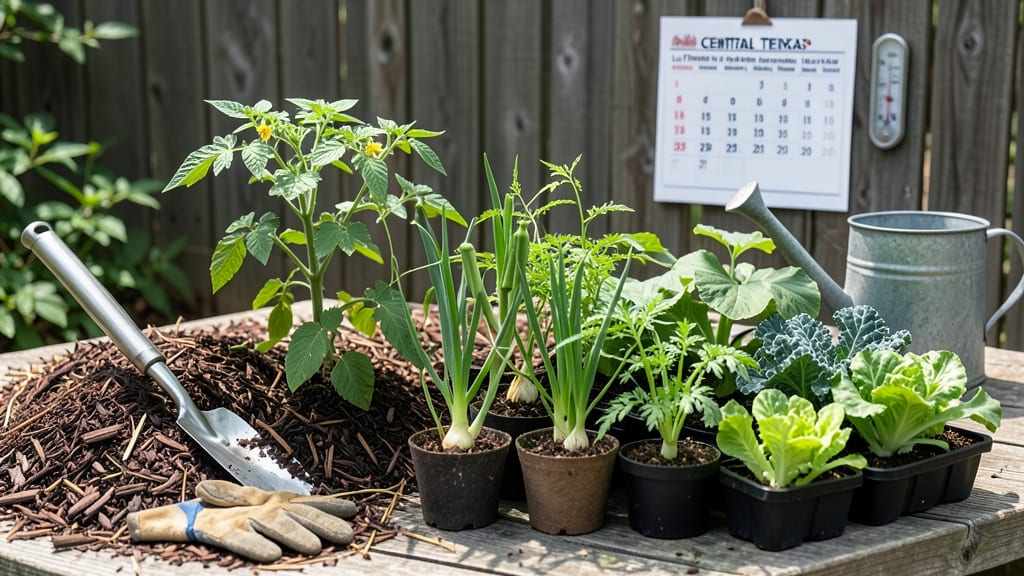
Planting a garden in Central Texas requires knowing the exact timing to beat the heat and avoid frost damage — and the window opens just as the last frost passes around mid-March.
Central Texas gardeners face a unique challenge: scorching summers and unpredictable freezes—so timing your planting can mean the difference between a thriving harvest and a failed season. Knowing exactly when to plant heat-tolerant crops and avoid frost damage is the secret to a successful garden.
With 225 frost-free days in zones 8a-8b, you’ve got plenty of time to grow, but cool-season crops like lettuce and peas need to hit the soil 4-6 weeks before that last frost.
Warm-season favorites like tomatoes and peppers, on the other hand, wait until the danger has passed—usually by early April.
Below, I’ll break down the ideal planting months for everything from leafy greens to sun-loving herbs, plus tricks to stretch your growing season and keep your garden thriving all summer long.
Central Texas frost-free timeline: when to plant cool-season vs. warm-season crops
Central Texas's USDA Zones 8a-8b give us a 225-day frost-free growing season, but those dates shift slightly between cities like Austin, Waco, and San Antonio. The average last frost typically arrives around March 15, while the first frost usually hits mid-November.
These dates are your garden's GPS—plant too early, and frost zaps your seedlings; too late, and summer heat wilts them before harvest.
For cool-season crops like lettuce, spinach, and broccoli, I start seeds indoors 6-8 weeks before the last frost (early February) and transplant 4-6 weeks out. Warm-season lovers such as tomatoes, peppers, and okra need to wait until after April 15 when soil temps hit 60°F+.
The key? Adjusting for heat-tolerant varieties that can handle Central Texas's 100°F+ summers.
Here’s your frost-free cheat sheet for Austin, Waco, and San Antonio—because even within our region, microclimates matter. Use these dates to align your planting with nature’s calendar, not guesswork.
| City | Last Frost Date | First Frost Date | Cool-Season Planting Window | Warm-Season Planting Window |
|---|---|---|---|---|
| Austin | March 15 | November 15 | Feb 15 - Apr 15 | Apr 20 - Sep 15 |
| Waco | March 10 | November 10 | Feb 1 - Apr 10 | Apr 15 - Sep 10 |
| San Antonio | March 20 | November 20 | Feb 20 - Apr 20 | Apr 25 - Sep 20 |
*Dates vary yearly; use row covers to extend cool-season windows or shade cloth for summer crops.
Now, let’s talk heat-tolerant crops—your secret weapon for beating Central Texas heat. Okra, sweet potatoes, and black-eyed peas thrive in our summers, while basil and cilantro bolt quickly unless you plant them in fall or early spring.
For a double harvest, I sow warm-season crops like peppers in late summer (August) for a fall harvest before frost.
Pro tip: Soil temperature matters more than air temperature. Use a soil thermometer—warm-season crops need 60°F+ soil, while cool-season crops prefer 50-60°F. If your soil is too cold, wait or use black plastic mulch to warm it faster.
I’ve seen tomato seedlings wilt because the soil was too cool, even when daytime temps were perfect.
Don’t forget succession planting! In Central Texas, you can squeeze in 3-4 harvests of lettuce by planting every 2-3 weeks from February to September. For warm-season crops, stagger plantings of okra and sweet corn every 2 weeks to avoid glutting your kitchen.
This keeps your garden productive and your meals varied.
If you’re new to Central Texas gardening, start with heat-tolerant varieties like ‘Arkansas Traveler’ okra or ‘Cherokee Purple’ tomatoes. These breeds are bred to handle our intense sun and heat.
For cool-season crops, opt for ‘Winter Density’ lettuce or ‘Blue Lake’ bush beans, which mature quickly before summer heat sets in.
Watch for unpredictable late frosts—even after the average last frost date. I’ve had 28°F dips in April that killed my tomato seedlings. Use frost cloth or a mini greenhouse to protect tender plants until the threat passes.
Similarly, early fall frosts can sneak up in October, so have row covers ready for broccoli and kale.
For herbs like rosemary and thyme, plant them in late winter or early spring
Top 7 heat-tolerant vegetables and herbs for Central Texas gardens
Central Texas summers can push temperatures over 100°F, making traditional garden crops wilt—but not these resilient plants. I’ve grown these heat-tolerant vegetables and herbs for years, and they consistently deliver even when other gardens struggle.
The key? Drought-resistant roots, thick leaf coatings, and deep watering habits that keep them thriving when the heat peaks.
These seven picks don’t just survive—they prosper. Okra, for example, actually produces more pods in heat, while rosemary’s fragrance intensifies under the Texas sun.
Pair them with companion plants like basil (to deter pests) or marigolds (to repel nematodes), and you’ll create a self-sustaining summer garden that keeps giving until first frost.
Plant after last frost (April) in full sun. Harvest pods at 3-4 inches for tender texture. Companion: Basil deters pests.
Start slips (young plants) in May. Mound soil around vines for protection. Companion: Beans fix nitrogen.
Plant anytime after frost. Thrives in poor soil. Prune lightly after harvest. Companion: Thyme for pest control.
Sow seeds in April-May. Prefers warm soil. Harvest when pods are plump. Companion: Corn for shade.
Transplant after frost (April). Needs consistent water. Harvest before first frost. Companion: Onions repel pests.
Start seeds indoors (Feb) or transplant after frost. Mulch heavily. Companion: Marigolds deter nematodes.
Plant in spring. Drought-tolerant. Harvest stems before flowering. Companion: Oregano for pollinator support.
My top tip for Central Texas heat? Mulch everything with 2-3 inches of straw or wood chips to lock in moisture. I’ve seen soil temperatures drop 10°F cooler under mulch during peak summer—making a world of difference for shallow-rooted herbs like thyme.
Pair this with drip irrigation (set to run early morning) and you’ll avoid the afternoon evaporation that wastes water and stresses plants.
Don’t forget to rotate crops yearly to prevent soil depletion. For example, plant okra in one bed one year, then swap it with sweet potatoes the next. This keeps nutrients balanced and reduces pest buildup.
I’ve also found that container gardening works wonders for heat-sensitive herbs like basil—just move pots to partial shade by late afternoon when temps exceed 95°F.
With these heat-proof plants and a few smart tricks, your Central Texas garden can stay productive long after other gardens have given up. Start with just 2-3 of these, master their care, then expand—your summer harvest will thank you! 🌿