
Planting
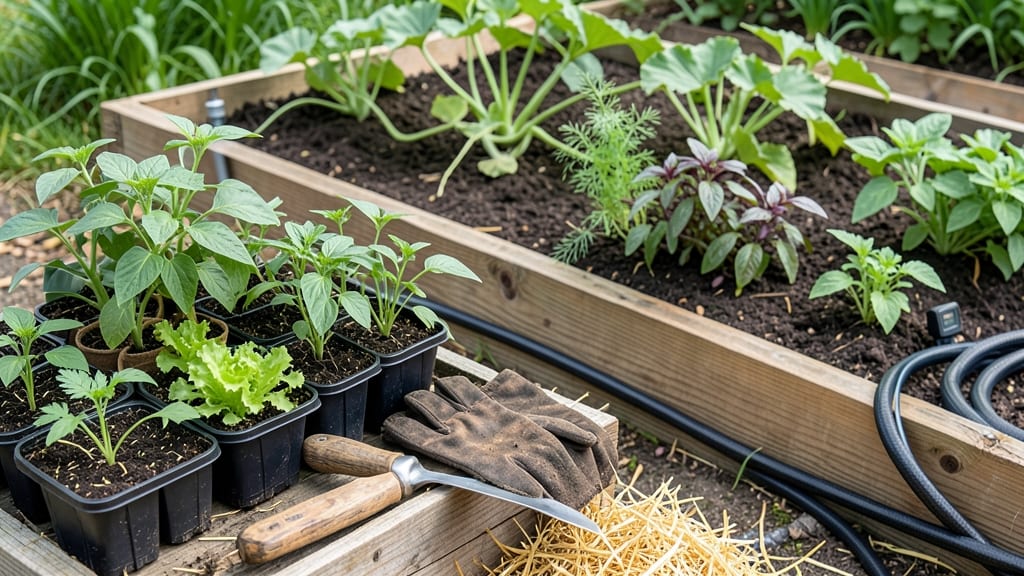
Planting a vegetable garden in North Carolina at the right time means the difference between a bountiful harvest and a sad pile of wilted leaves.
North Carolina’s diverse climate—from the mountains to the coast—means your vegetable garden’s success hinges on timing. Plant too early, and frost will strike; too late, and summer’s heat will scorch your crops.
Most gardeners in NC’s zones 7b-8a should start cool-season crops like spinach and broccoli in early spring, while warm-season favorites like tomatoes and peppers wait until after the last frost—usually mid-April in the Piedmont and late March near the coast.
Here’s the zone-specific schedule you need to maximize growth, from seed-starting dates to transplanting tips, so you can enjoy fresh veggies all season long.
NC planting zones & warmth thresholds: when to start seeds vs. transplants
North Carolina spans USDA zones 7b through 8a, creating distinct planting windows from the mountains (cooler) to the coast (warmer). Your success depends on matching soil temperatures and last frost dates to each crop's needs.
Cool-season veggies like spinach and broccoli thrive in 50–60°F soil, while tomatoes and peppers need 60–70°F to germinate. Let’s break down your zone’s exact triggers.
First, identify your last average frost date: Zone 7b (mountains) typically sees frost until April 15–May 1, while Zone 8a (coastal) warms by March 1–March 15. Warm-season crops like squash and beans must wait until 2 weeks after your last frost, when soil hits 65°F+.
Cool-season crops, however, can start 6–8 weeks before your last frost for an early harvest.
Here’s your zone-specific planting calendar with soil temperature triggers to time seeds vs. transplants perfectly:
| Zone | Last Frost | Cool-Season Start (Seeds) | Warm-Season Start (Transplants) | Soil Temp Threshold |
|---|---|---|---|---|
| 7b (Mountains) | April 15–May 1 | March 1–March 15 (indoors) | May 15–May 30 | 50–60°F (cool) / 65°F+ (warm) |
| 8a (Coastal/Piedmont) | March 1–March 15 | February 15–March 1 (indoors) | April 1–April 15 | 50–60°F (cool) / 60°F+ (warm) |
🌱 Pro Tip: Use a soil thermometer to confirm temps before planting.
For cool-season crops, start spinach, kale, and carrots indoors 6–8 weeks before your last frost. Transplant seedlings when soil reaches 45–50°F. In Zone 7b, this means late March for early harvests.
In Zone 8a, you can sow directly in February under row covers for a jumpstart.
Warm-season crops like tomatoes and peppers are trickier—they won’t germinate below 60°F. In Zone 7b, wait until May 15 (soil 65°F+) to transplant.
In Zone 8a, you can start 2 weeks earlier (April 15). Direct-sow heat lovers like beans and squash only after May 1 in cooler zones to avoid frost.
Microclimates matter! Coastal areas warm faster, but inland valleys can stay 10°F cooler at night. Use black plastic mulch to warm soil 5–10°F faster for warm-season crops. For Zone 7b gardeners, consider a cold frame to extend cool-season planting into late October for spinach and lettuce.
Timing seeds vs. transplants is critical. Tomatoes and peppers thrive when transplanted at 4–6 weeks old—start them indoors 8–10 weeks before your last frost. Broccoli and cabbage, however, can handle direct sowing as soon as soil is workable (40°F).
Use this rule: Delicate seedlings (like basil) always transplant; hardy crops (like peas) direct-sow.
Watch for false springs—a warm spell in March can trick you into planting too early. Use frost cloth to protect seedlings if nighttime temps dip below 32°F.
In Zone 8a, you can sometimes plant warm-season crops twice: once in April (for early harvests) and again in July (for fall crops like collards).
Soil temperature is your best indicator, not the calendar. A soil thermometer ($10) is worth its weight in successful harvests. For example, cucumbers won’t germinate below 65°F, even if your air temperature feels warm. Test soil in the morning for accuracy—it’s cooler then and mimics root-zone conditions.
Plan for succession planting to avoid gluts. In Zone 7b, sow lettuce every 2 weeks from March–September for continuous harvests.
In Zone 8a, extend your season by planting cool crops in fall (e.g., radishes by September 15) and warm crops in early spring (e.g., okra by March 1).
Mastering NC’s planting zones means balancing patience with opportunity. Start cool crops early, but don’t rush warm-season plants—your soil (and plants) will thank you. With
Best vegetables to plant by month in NC: a month-by-month survival guide
North Carolina’s diverse microclimates mean what works in the Piedmont may fail on the coast. My strategy? Plant fast-maturing crops early and heat-loving varieties later. Here’s your month-by-month roadmap, based on USDA zones 7b-8a and local success rates.
I’ve organized this by maturity speed—prioritizing 30-60 day crops for early months and 90+ day varieties for summer. Coastal areas can push windows 2-3 weeks earlier than mountain regions. Always check your last frost date (typically mid-March to early April in most of NC).
Pro tip: Use succession planting for bush beans and lettuce—sow every 2 weeks from March to August to ensure a continuous harvest. My highest success rate comes from peppers and tomatoes planted in late May when soil temps stabilize.
For coastal NC, shift these windows 2 weeks earlier—humidity and warmer nights extend growing seasons. In the mountains, add 1-2 weeks of caution for frost-sensitive crops. Always monitor your local weather patterns—a late frost in April can wipe out early tomatoes in minutes.
Remember: Soil prep