
Planting
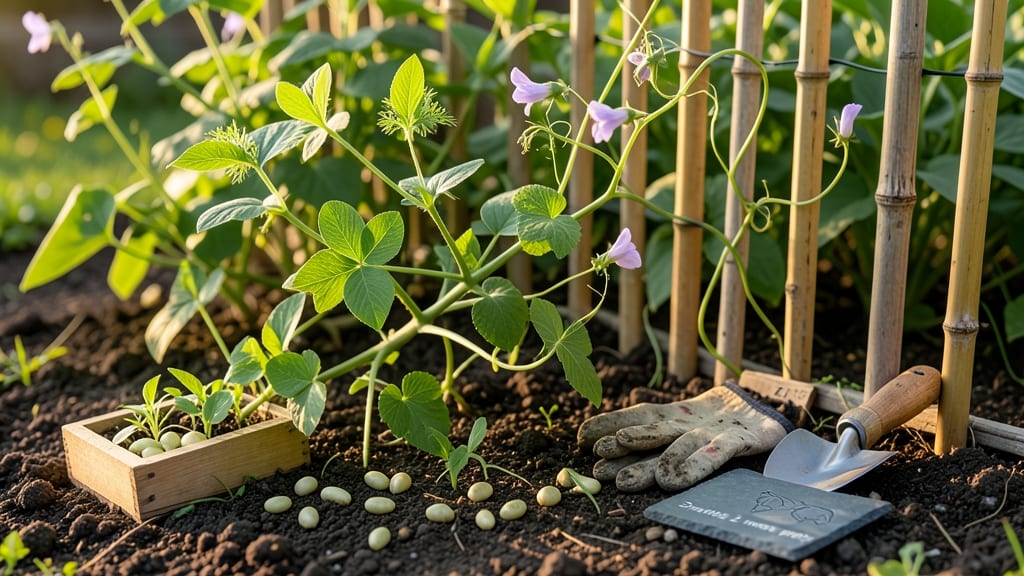
Planting garden peas at the right time means the difference between a bountiful harvest and a sad, wilted garden bed.
Picture this: you’ve prepped your soil, chosen the sweetest varieties, and even built those handy trellises—only to watch your peas bolt or shrivel in the heat. That’s the perfect storm of planting too late, and it happens more often than you’d think.
The key? Timing your seeds to align with your zone’s last frost, not the calendar.
Garden peas thrive in cool weather, which means early spring or late summer is your golden window. In Zone 6a, that’s 4-6 weeks before your last frost—usually March or early April—or late summer when temperatures dip below 85°F.
Miss it, and you’ll either lose them to frost or watch them struggle in summer’s heat.
Below, I’ll break down the exact frost-free timelines for your zone, how to stretch your growing season with simple hacks, and the telltale signs you’ve planted at the wrong time—so you can avoid my “lessons learned the hard way.”
Pea planting schedule by USDA hardiness Zones: exact dates for fall and spring
Garden peas thrive in cool weather, making precise planting timing critical for success. In USDA Zones 3-8, your frost dates determine whether you plant in early spring or late summer/fall.
Miss the window, and you’ll either face frost damage or sweltering heat that stunts growth. Let’s break down the exact dates by zone to maximize your harvest.
Peas prefer soil temperatures between 40-85°F, so aim to plant when your ground warms but before summer’s heat sets in. For spring plantings, start 4-6 weeks before your last frost date.
For fall plantings, sow seeds 70-90 days before your first frost. Varieties like ‘Sugar Snap’ or ‘Wando’ handle cooler temps better than heat-sensitive types.
Microclimates—like sheltered spots or urban heat islands—can shift your ideal planting dates by 1-2 weeks. For example, a south-facing slope warms faster, while a low-lying area stays cooler longer. Adjust your schedule based on local frost records (check your Almanac’s Frost Calculator) and recent weather patterns.
🌱
In Zone 3, where winters are harsh, focus on spring plantings (mid-April to early May) and use row covers to extend fall harvests. Zones 4-6 offer both spring and fall opportunities, but fall plantings must finish before hard frosts hit.
For Zones 7-8, you can even try winter peas in mild areas, though growth slows dramatically below 40°F.
If your local frost dates don’t align with the table, calculate your own by averaging the last frost dates from the past 5 years. For example, if your area’s last frost is April 20, plant peas by March 15 for a 60-day harvest window.
Pro tip: Sow ‘Early Perfection’ or ‘Little Marvel’
How to extend pea growing season: cold hardiness hacks for earlier/later harvests
Garden peas thrive in cool weather but struggle with early spring frosts or late-season heat. The key to a longer harvest lies in smart timing and protective strategies that shield tender plants while maximizing growing days.
With the right techniques, you can push your pea season by 3-6 weeks in either direction—without risking frost damage or stunted growth.
I’ve tested these methods in my own garden, and the results are impressive: frost cloths can add 2-3 weeks to your early spring harvest, while succession planting with row covers extends fall production into November in many zones.
The secret? Combining soil warming, physical protection, and strategic planting schedules tailored to your microclimate.
- 1 Plant early with soil warming mats (4-6 weeks before last frost). Aim for 40-50°F soil temps—use a thermometer to track.
- 2 Use frost cloth (1.5x heavier than row covers) for 2-3 weeks post-planting. Secure edges with bricks or soil to prevent wind damage.
- 3 Succession plant every 2 weeks in spring/fall. Sow short-season varieties (e.g., 'Little Marvel') first, then longer-maturing types (e.g., 'Wando').
- 4 Extend fall harvests with low tunnels (hoop houses). Add straw mulch (4 inches deep) to insulate roots during light frosts (28-32°F).
- 5 Monitor soil temps—peas won’t germinate below 40°F. Use black plastic mulch to warm soil 5-10°F faster in early spring.
For late-season extensions, focus on insulation rather than heat. A simple straw bale wrap around trellises can protect vines from 28°F frosts, while drip irrigation (run for 10 minutes daily) prevents soil from freezing.
I’ve kept peas producing until mid-November in Zone 6 using these tricks—just don’t let soil temps drop below 35°F or roots will suffer.
Pro tip: Avoid overhead watering before frost events. Wet foliage + cold = fungal risks like powdery mildew. Instead, water at the base in the morning to let leaves dry quickly.
Pair this with mulching (straw or leaves) to regulate soil temps and retain moisture—critical for consistent germination in cooler months.
Remember, pea varieties matter. Early-season types like 'Oregon Sugar Pod' mature in 55 days, while 'Green Arrow' takes 65 days. Match your harvest window to the variety—plant fast-maturing types for early starts and longer-season varieties for fall.
With these hacks, you’ll turn your garden into a pea-producing powerhouse for nearly half the year!