
Planting
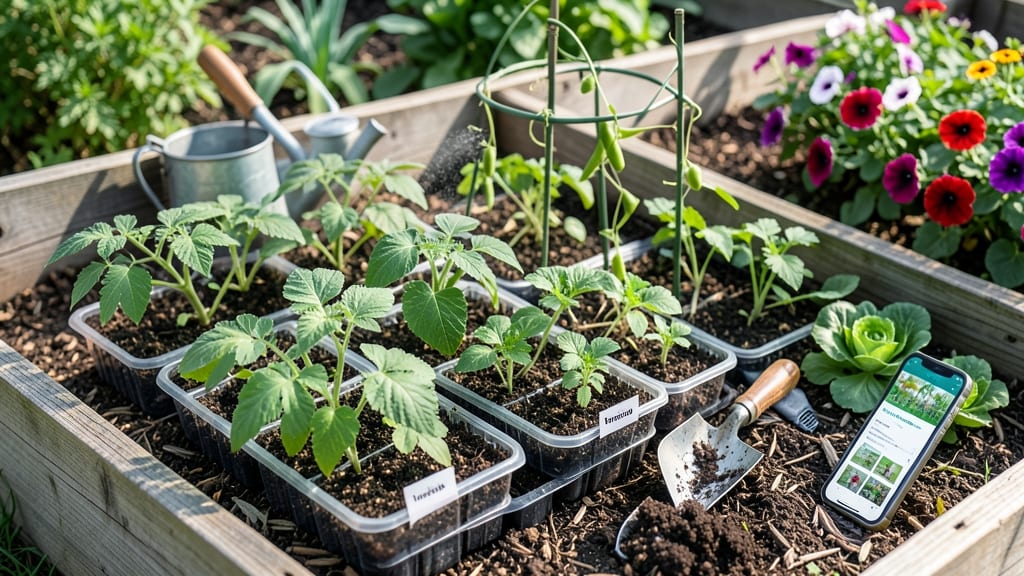
Planting a garden in Tennessee at the right time means the difference between a bumper crop and a sad, wilted disappointment 🌱—and the clock starts ticking as soon as the last frost passes.
Tennessee’s mild winters and warm summers make it a gardener’s paradise, but timing your plantings wrong can mean stunted growth or wasted seeds. Whether you’re in Zone 6 or 7, knowing when to plant your General Garden Vegetables ensures your garden thrives from spring to fall.
Cool-season crops like peas and lettuce should hit the soil 4-6 weeks before your last frost, while warm-season favorites like tomatoes and peppers need to wait until 2-3 weeks after the frost danger has passed. That’s usually mid-March to early April for most of the state.
Below, I’ll break down the exact weeks to plant by zone, share the best crops for each month, and reveal the one mistake that ruins more Tennessee gardens than anything else.
Tennessee planting calendar by season: exact weeks for Zone 6 & 7 success
Tennessee’s Zone 6 and 7 climates offer a 180-220 frost-free growing season, perfect for both cool-season and warm-season crops. But knowing the exact weeks to plant—especially around the last frost date—can mean the difference between a thriving garden and wasted seeds.
In Zone 6 (northern TN), the last frost typically hits March 15-30, while Zone 7 (middle/southern TN) sees it 2-3 weeks earlier.
To maximize your harvest, I’ve broken down the ideal planting windows for vegetables, flowers, and herbs by season, including soil temperature requirements and transplant deadlines. Whether you’re sowing spinach in February or okra in July, this schedule keeps your garden on track for peak productivity.
Pro Tip: Use row covers to extend early planting by 2-4 weeks in both zones, protecting seedlings from late frosts while warming the soil faster. For warm-season crops like tomatoes, wait until soil temps hit 60°F+—a must for healthy root development.
For Zone 6 gardeners, focus on early March for cool-season crops like broccoli and peas, but hold off on tomatoes until mid-April when soil warms.
In Zone 7, you can push spinach as early as late January in protected beds, while sweet potatoes thrive when planted by mid-May.
One of my biggest lessons? Succession planting is a game-changer in Tennessee’s heat. For example, sow bush beans every 2 weeks from May to July to ensure a continuous harvest.
Similarly, lettuce can be planted in early spring, late summer, and fall—just time it to mature before the first frost.
Don’t overlook herbs like basil and cilantro, which prefer cooler weather. Plant basil in late spring (after frost) and cilantro in early fall to avoid bolting in summer’s heat. Dill, another favorite, self-seeds aggressively—so let some go to seed for next year’s crop!
Critical Deadlines: In Zone 6, your last chance to plant warm-season crops like squash is June 15, while Zone 7 can extend this to July 1. For fall crops, aim to transplant broccoli by August 1 in both zones to harvest before frost. Use a frost clock or local Cooperative Extension data for precise dates.
Container gardening? Strawberries and green onions can go in as early as February in Zone 7, while peppers in pots need to wait until after May 1 in both zones. Just ensure containers have drainage holes—Tennessee’s clay-heavy soils can cause root rot if mimicked in pots.
Finally, mark your calendar for soil prep: Fall is the best time to amend beds with compost and
Best vegetables to plant in Tennessee by month: fast-growing vs. long-season crops
Tennessee’s Zone 6 and 7 climates allow gardeners to grow a diverse range of vegetables, but success depends on timing your plantings with the state’s last frost dates.
Fast-growing crops like radishes and lettuce thrive in cool spring months, while sweet potatoes and okra demand Tennessee’s hot summer heat. Below, I’ve broken down the best vegetables to plant each month, tailored for both quick harvests and long-season varieties.
For Zone 6 areas (like Nashville and Knoxville), aim to plant cool-season crops 4-6 weeks before your last frost (typically mid-March). In Zone 7 (Memphis, Chattanooga), you can push warm-season crops earlier and enjoy a longer growing season.
Use this guide to maximize your garden’s productivity year-round, including succession planting tips for continuous harvests.
| Month | Fast-Growing Crops (30-60 Days) | Long-Season Crops (60+ Days) | Succession Tip |
|---|---|---|---|
| March | Peas, Spinach, Radishes, Lettuce | Onions, Broccoli, Cabbage | Sow radishes every 2 weeks for continuous harvest |
| April | Green Onions, Bush Beans, Turnips | Tomatoes, Peppers, Eggplant | Start tomatoes indoors in early April for transplant |
| May | Zucchini, Cucumbers, Beets | Sweet Corn, Okra, Sweet Potatoes | Plant cucumbers in hills for better air circulation |
| June | Green Beans, Carrots, Kale | Peppers, Tomatoes, Eggplant | Harvest tomatoes early to avoid sunscald |
| July-August | Bush Beans, Radishes, Lettuce (shade) | Sweet Potatoes, Okra, Winter Squash | Plant fall lettuce in partial shade to avoid bolting |
In June and July, focus on heat-loving crops like okra and sweet potatoes, which thrive in Tennessee’s 90°F+ temperatures.
For Zone 7 gardeners, you can even extend your season by planting winter squash and collard greens in early August for fall harvests. Succession planting is key—sow bush beans and radishes every 2 weeks to ensure a steady supply throughout summer.
Don’t overlook fall planting! After the first frost (typically mid-October in Zone 6), sow cold-hardy crops like spinach, kale, and carrots. These slow-growing vegetables will reward you with harvests well into December or January.
Use row covers to protect tender greens from light frosts and extend your growing season even further.
For container gardening in Tennessee, prioritize compact varieties like bush beans, dwarf tomatoes, and cherry peppers. These fast-maturing crops are perfect for balconies or small spaces, allowing you to grow fresh produce year-round with minimal space.
Just ensure your containers have drainage holes and use lightweight potting mix to prevent root rot in Tennessee’s hot summers. 🌱