
Planting
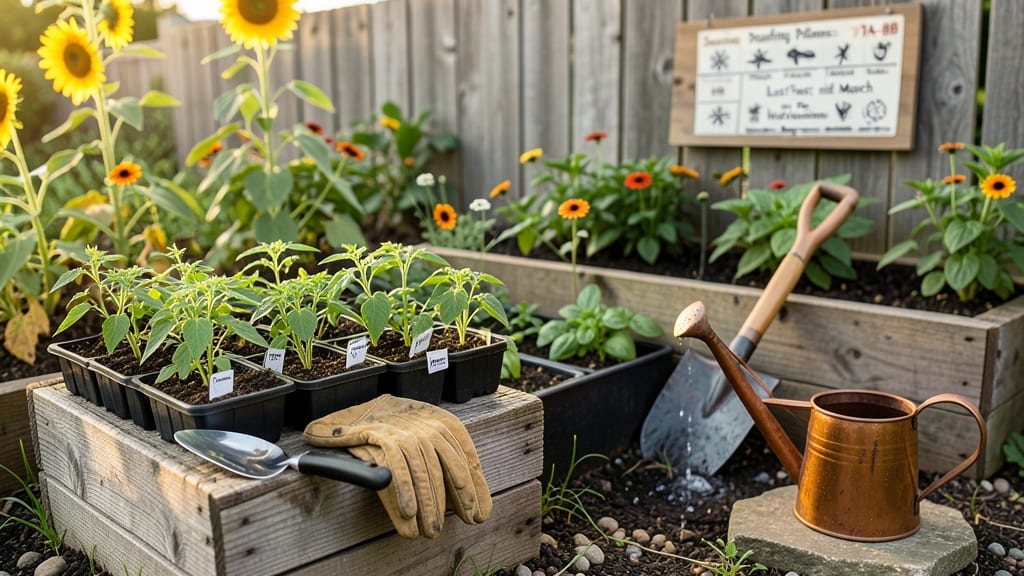
Planting a garden in South Carolina at the right time means the difference between a bumper crop and a bust — and the perfect windows depend on whether you’re in the humid Lowcountry or the drier Upstate.
Picture this: you’ve prepped your soil, ordered seeds, and even marked the calendar — only to watch your seedlings wilt under a late frost or bolt into flower before producing a single tomato. That’s why timing matters so much in Zone 7b-8a, where microclimates shift planting dates by weeks.
From cool-season greens like lettuce and peas (best sown in late February to early April) to heat-loving tomatoes and peppers (wait until after May 15 in Charleston), this guide breaks down the exact dates for your region — plus how to adjust for coastal humidity or Piedmont heat.
You’ll learn how to read frost-free dates, when to harden off seedlings, and the one trick that extends your harvest by 4-6 weeks no matter where you garden. Let’s get those 🌱 growing!
South Carolina planting zones 7A-8B: exact dates for cool-season crops
Cool-season crops like broccoli, kale, and peas thrive in South Carolina’s Zone 7A-8B, but timing varies dramatically between coastal, Piedmont, and upstate regions.
Coastal areas (Zone 8A/8B) enjoy longer frost-free windows, while upstate (Zone 7A/7B) faces earlier frosts. Understanding these differences ensures your cold-hardy crops grow strong and productive.
For all regions, soil temperature is critical—most cool-season crops need soil at least 40°F (4°C) to germinate. In Zone 7A (upstate), this typically happens by mid-March, while Zone 8B (coastal) may reach it by late February.
Always check your local frost-free date (usually March 15 in Piedmont, April 1 in Charleston) before planting.
Here’s your region-specific planting calendar for cool-season crops, accounting for microclimates and soil conditions:
| Crop | Zone 7A (Upstate) | Zone 7B (Piedmont) | Zone 8A/8B (Coastal) | Soil Temp Threshold |
|---|---|---|---|---|
| Broccoli | March 15–April 15 | February 28–March 30 | February 15–March 15 | 40–45°F (4–7°C) |
| Kale | March 1–April 30 | February 15–April 15 | January 30–March 30 | 35–40°F (2–4°C) |
| Peas | March 1–April 10 | February 20–March 25 | January 20–March 10 | 40–50°F (4–10°C) |
| Lettuce | March 10–May 1 | February 25–April 15 | January 30–March 20 | 45–50°F (7–10°C) |
| Spinach | March 1–April 15 | February 20–March 30 | January 25–March 15 | 40–45°F (4–7°C) |
| Carrots | March 15–April 30 | March 1–April 15 | February 20–March 20 | 50–55°F (10–13°C) |
In Zone 7A (upstate), where frosts linger until mid-April, prioritize hardy varieties like ‘Winterbor’ kale or ‘Sugar Snap’ peas. Use row covers to extend the season if you plant early.
For Zone 8A/8B (coastal), where mild winters allow year-round growth, you can even plant fall crops in October for winter harvests.
Soil preparation is just as critical as timing. Work in compost or aged manure 2–3 weeks before planting to improve drainage and fertility. Test your soil’s pH—most cool-season crops prefer 6.0–7.0.
If your soil is too acidic, add lime in fall; if alkaline, mix in sulfur or peat moss.
For succession planting, sow lettuce or spinach every 2–3 weeks from spring through fall. This ensures a continuous harvest and maximizes your garden space.
In Zone 8B, you can even plant a second crop of peas in late fall for a January harvest—just protect them with cloches or mulch.
Watch for false springs, where warm weather tricks you into planting too early. If nighttime temperatures drop below 40°F (4°C), cover seedlings with frost blankets or move pots indoors. Coastal areas are less prone to late frosts
Warm-season planting in SC: heat-tolerant crops and their ideal timing
South Carolina’s long, hot summers create the perfect conditions for growing heat-tolerant vegetables like tomatoes, peppers, and okra. But timing is everything—plant too early, and you’ll risk bolt-and-bitter flavors or stunted growth. The key is waiting until soil temps hit 65°F+ and nighttime temps stay above 55°F.
For Zone 8B, this usually means mid-April to early May for most regions, but coastal areas can start slightly earlier due to milder nights.
My go-to strategy is to direct-sow heat lovers after the last frost date (typically March 15 in inland areas, February 28 near the coast). For transplants, wait until nighttime temps are consistently above 60°F—this prevents shock and ensures strong root establishment.
I’ve found that succession planting every 2-3 weeks through July keeps my harvests rolling well into fall.
Extending harvests into fall is my favorite part of SC gardening. By mid-August, I start succession planting cool-tolerant varieties like 'Heatmaster' tomatoes and 'Arkansas Traveler' peppers, which handle light frosts.
A row cover or cold frame can push harvests even later—my 'Celebrity' tomatoes have lasted until November 1 with protection. Just remember: stop fertilizing 4-6 weeks before first frost to harden off plants.
One mistake I made early on was ignoring soil moisture during summer’s peak heat. In Zone 8B, drip irrigation is a game-changer—it delivers water directly to roots while keeping foliage dry. I now set up my system before planting and run it early morning to avoid fungal issues.
For container gardens, I switch to self-watering pots filled with moisture-retentive mix (50% potting soil, 30% compost, 20% perlite).
Pro tip: Monitor humidity levels—SC’s coastal areas can hit 90%+, which invites diseases like early blight in tomatoes. I’ve had great success with neem oil sprays (applied weekly) and pruning lower leaves for airflow.
For extra protection, I plant basil or marigolds nearby—they repel pests naturally and improve flavor. With these strategies, my warm-season garden thrives from June through October (or later with extensions!).
🌱