
Planting
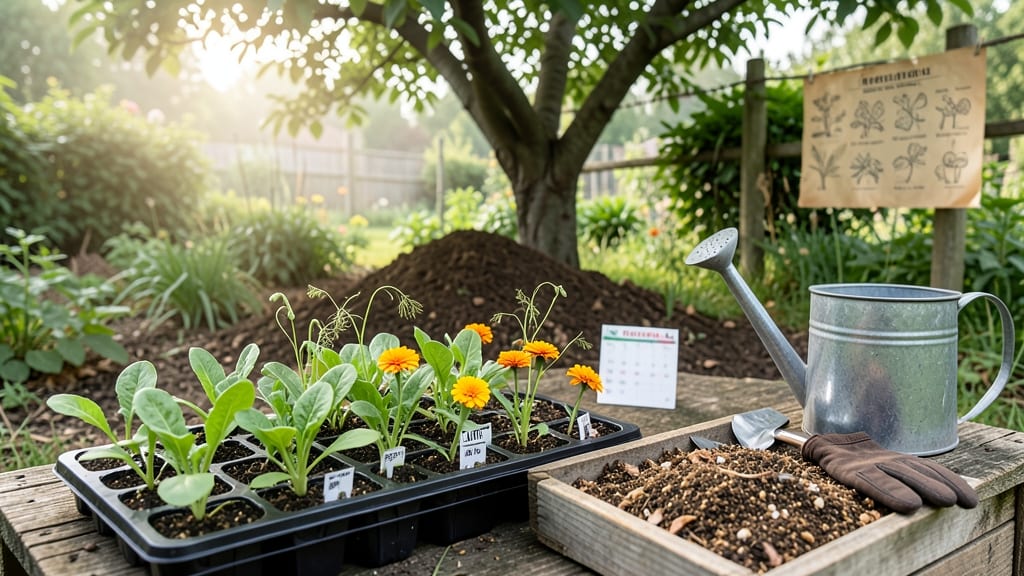
To plant a garden in New Brunswick, time your sowing between mid-April and early June—missing this window risks frost damage or stunted growth for General Garden Vegetables 🌱.
Timing your garden planting in New Brunswick can mean the difference between a thriving harvest and a frost-killed disappointment—knowing your hardiness zone and plant types is key.
With USDA Zone 5b and a short growing season, coastal areas like Saint John warm earlier than inland Fredericton, so adjust your schedule accordingly.
Below, I break down the exact frost-free timeline by region, the best crops for each month, and pro tips to stretch your season—so you can enjoy fresh General Garden Vegetables 🌱 from June through October.
New Brunswick planting zones and frost dates by region
New Brunswick’s USDA hardiness zones range from 4b to 6a, meaning gardeners must account for short growing seasons and unpredictable frost patterns. The province’s coastal areas (like Saint John) often enjoy milder winters, while inland regions (like Fredericton) face earlier frosts.
Understanding these microclimates helps you time plantings for success.
Knowing your last frost date is critical—it determines when to plant warm-season crops like tomatoes and peppers. In Fredericton (Zone 5b), the average last frost is May 15, while Saint John (Zone 6a) sees its last frost around May 22.
Coastal areas like Moncton (Zone 5b) may have a 10-day window earlier or later due to ocean influences.
Urban gardens in cities like Fredericton often experience warmer microclimates due to concrete and buildings trapping heat, while rural areas may face colder nighttime temperatures. Always monitor local forecasts and adjust planting dates accordingly—a late frost can devastate tender seedlings.
Here’s a quick comparison of key frost dates and USDA zones across New Brunswick’s major regions to help you plan:
For Zone 5b gardeners in Fredericton or Moncton, cool-season crops like kale and spinach can be sown as early as April 1, while warm-season plants should wait until after May 15.
In Zone 6a areas like Saint John, you can push the envelope slightly—tomatoes and peppers may tolerate transplanting by May 1 if nighttime temps stay above 50°F (10°C).
Urban gardeners should also consider microclimate variations. A south-facing wall can create a warmer niche for heat-loving plants like basil or cucumbers, while low-lying areas may experience frost pockets. Use row covers or cold frames to protect early plantings in these zones.
If you’re growing perennials like asparagus or rhubarb, plant them in early spring (April) to establish roots before summer heat. These hardy crops can tolerate frost and often produce for years with proper care. For annuals, succession planting every 2-3 weeks ensures a continuous harvest.
Always check local Almanac frost predictions or use a soil thermometer to confirm when the ground is warm enough (typically 50°F/10°C) for planting. In New Brunswick, patience is key—rushing can lead to frost damage, while waiting too long may shorten your harvest window.
Pro tip: Mark your calendar for September 1—this is when I start planning fall plantings of cool-season crops like broccoli and Brussels sprouts. With the right timing, you can enjoy fresh produce well into November before the first hard frost hits.
Optimal planting schedule by vegetable type for New Brunswick gardens
New Brunswick’s cool summers and early frosts demand precise timing for your garden. Cool-season crops like kale and spinach thrive in spring and fall, while warm-season staples need to be planted after the last frost.
Perennials like asparagus and rhubarb have their own unique schedules to maximize yields. Let’s break down the best times to plant each category in your USDA Zone 4-6 garden.
For cool-season vegetables, start seeds indoors in March-April for a head start. Transplant seedlings outdoors after the last frost date (typically mid-May in most regions). Peas and spinach can handle cooler temperatures, while kale and lettuce prefer milder weather.
These crops can also be sown in late summer for a fall harvest before the first frost hits in mid-October.
Warm-season vegetables like tomatoes, peppers, and beans require warmer soil temperatures (at least 50°F/10°C) to thrive.
Wait until after the last frost—usually late May—to plant these heat-lovers. Direct-sow beans in early June for a longer harvest window, while tomatoes and peppers benefit from being started indoors in April and transplanted outdoors in May.
| Plant Type | Planting Window | Notes |
|---|---|---|
| Cool-Season Crops | March (indoors) - May (outdoors) / August (fall) | Kale, spinach, peas, lettuce. Use row covers for early spring. |
| Warm-Season Crops | April (indoors) - Late May (outdoors) | Tomatoes, peppers, beans, cucumbers. Wait for soil to warm. |
| Perennials | April-May (asparagus) / Early spring (rhubarb) | Asparagus takes 2-3 years to establish; rhubarb thrives in cooler climates. |
| Herbs | April-May (outdoors) / March (indoors) | Basil, parsley, cilantro. Basil needs warm soil; parsley is frost-tolerant. |
| Root Vegetables | April-May / August-September (fall) | Carrots, beets, radishes. Sow seeds directly for best results. |
Perennials like asparagus and rhubarb have different rules. Plant asparagus crowns in April-May for a crop that takes 2-3 years to mature but produces for decades. Rhubarb, on the other hand, thrives in cooler climates and can be planted in early spring or fall.
Avoid harvesting rhubarb in its first year to encourage strong root growth.
Adjust your schedule based on your specific microclimate. Coastal areas like Saint John may have earlier last frosts than inland regions like Fredericton. Keep an eye on weekly frost forecasts and use row covers to extend your growing season for heat-sensitive crops like tomatoes and peppers.
For succession planting, sow fast-growing crops like lettuce and radishes every 2-3 weeks to ensure a continuous harvest. This works especially well in New Brunswick’s short growing season. By planning ahead, you’ll avoid gaps in your harvest and make the most of your garden space.