
Planting
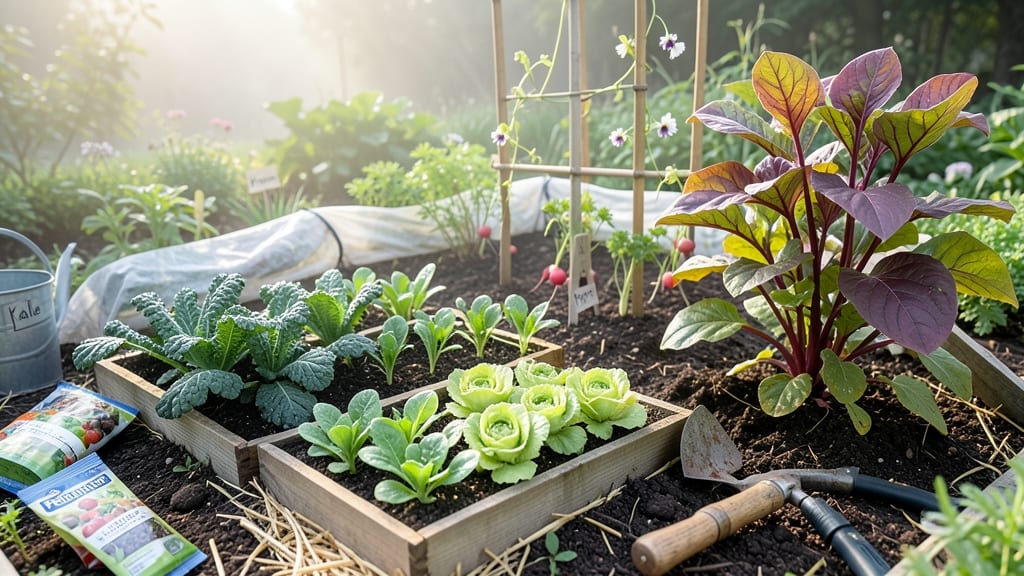
Planting a garden in Michigan at the right time means the difference between a bountiful harvest and a frost-killed disappointment.
Michigan’s unpredictable frost dates can turn a gardener’s dream into a frozen nightmare—or a bountiful harvest. Timing your plantings by the state’s distinct growing zones is the secret to avoiding late frosts and maximizing yields.
With USDA zones 5b-6b, Michigan gardeners need to know when to start seeds indoors, when to transplant tender seedlings, and how to stretch the growing season with row covers or cold frames.
The key is planting after the last frost, typically around April 15, but the exact window depends on your zone and the crop.
In this guide, you’ll discover the perfect planting timeline for Michigan’s most popular vegetables, flowers, and herbs—plus strategies to protect your plants from late frosts and early chills.
Michigan’s frost-free dates by USDA plant hardiness Zone: when to start planting
Michigan spans USDA Zones 4a-6b, meaning frost dates vary dramatically across the state. Northern areas like Marquette (Zone 4a) face later last frosts, while southern regions like Detroit (Zone 6a) enjoy earlier planting windows. Understanding these differences helps you avoid frost damage to tender seedlings.
For cool-season crops like lettuce and spinach, you can start seeds indoors 6-8 weeks before your average last frost date. Warm-season crops like tomatoes and peppers, however, need to wait until after the last frost and soil temperatures reach at least 55°F (13°C).
Here’s a breakdown of Michigan’s last frost dates by zone, including ideal planting windows for both spring and fall gardens:
In Zone 4a, where frosts linger until mid-May, start spinach and kale indoors by March 1 to ensure they’re ready for transplanting. Meanwhile, gardeners in Zone 6b can plant tomatoes and peppers as early as April 10, giving them a longer growing season.
For fall plantings, aim to sow cool-season crops like broccoli and carrots 8-10 weeks before your first frost. In northern zones, this means starting by August 1, while southern zones can extend plantings until September 25.
Remember, these dates are averages. Check your local Michigan State University Extension office for microclimate adjustments, especially if you’re in a urban heat island or near large bodies of water. A frost-free date calculator can also help refine your timeline.
Pro tip: Use hardy varieties like ‘Early Girl’ tomatoes or ‘Winterbor’ kale to extend your season. These plants tolerate cooler temperatures better than standard varieties, giving you a head start in northern zones.
If you’re unsure about your exact last frost date, consider planting fast-maturing crops like bush beans or radishes as a buffer. These can be harvested in as little as 30-40 days, reducing the risk of frost damage.
How to adjust planting times for Michigan’s unpredictable weather patterns
Michigan’s late spring frosts and early fall chills can throw off even the most experienced gardener’s timing. In Traverse City, where the Great Lakes delay warming, you might plant peppers two weeks later than in Detroit.
The key is flexibility—using tools and techniques to extend your growing season while accounting for these regional quirks.
Start by checking your local frost-free date using the USDA Plant Hardiness Zone Map or resources like the Michigan State University Extension. Their frost-free date calculator adjusts for your specific zip code, giving you a personalized planting window.
For example, Zone 5b areas like Grand Rapids typically see their last frost around May 10th, while Zone 6a in Ann Arbor averages May 1st.
- Use row covers to plant cool-season crops like spinach or kale 3-4 weeks earlier in spring, or extend tomato harvests into October.
- Cold frames add 5-10°F protection—ideal for hardy greens or radishes in late fall or early spring.
- Heat-tolerant varieties (e.g., ‘Heatmaster’ tomatoes or ‘Malaga’ spinach) thrive in unpredictable heatwaves common in July-August.
- Frost cloth over tender perennials like lavender or rosemary buys 2-3 extra weeks of growth in fall.
- Succession planting every 2 weeks ensures a steady harvest of lettuce or bush beans, even if one batch fails.
For warm-season crops like peppers and eggplants, wait until soil temperatures hit 60°F—use a soil thermometer to avoid false starts. In northern Michigan, this often means waiting until late May, while southern Michigan can start as early as mid-April.
If frost threatens, opt for fast-maturing varieties like ‘Early Girl’ tomatoes (55 days) over heirlooms that take 80+ days.
Microclimates play a huge role—Detroit’s urban heat island can be 5-10°F warmer than rural areas, while Traverse City’s lake-effect cooling delays planting by weeks.
Test your microclimate by planting basil in multiple spots: if one thrives while another struggles, adjust your planting dates accordingly. South-facing slopes warm up faster, making them ideal for early spring plantings.
Don’t forget fall planting! Many cool-season crops grow best when sown in August-September. Broccoli and cabbage planted in early August often produce sweeter heads by October than spring plantings.
Use straw mulch (4-6 inches) to insulate roots and protect against early frosts, which can hit as early as September 20th in Zone 5b.
When in doubt, start seeds indoors 4-6 weeks before your last frost date for tomatoes, peppers, and herbs. This gives you a head start and allows you to transplant hardened-off seedlings as soon as conditions permit.
Pair this with weekly frost alerts from your local National Weather Service office to stay ahead of surprises.