
Planting
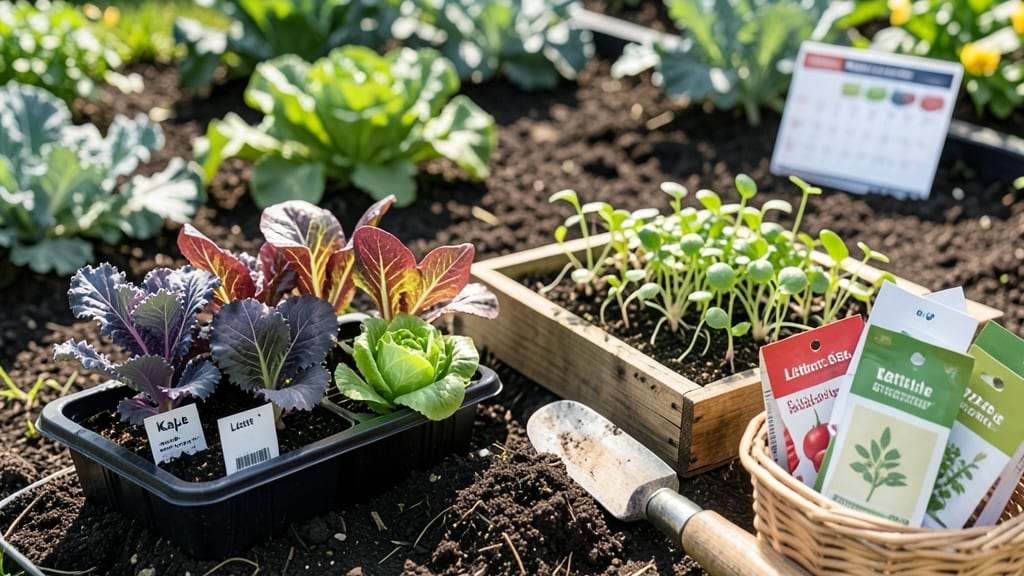
Planting a garden in Michigan at the right time means the difference between a lush harvest and a frost-killed disappointment — and the window opens as soon as the soil warms to 50°F.
Michigan’s unpredictable spring frost can turn your gardening dreams into a risky gamble—but timing your plantings just right ensures a thriving harvest instead of a sad, wilted failure.
In zones 5b-6b, most gardeners wait until late April or early May, but the Upper Peninsula’s cooler climate demands patience, while southern Michigan can start earlier. The key is knowing your last frost date and adjusting for hardy crops like peas versus frost-sensitive tomatoes.
Below, I’ll break down the exact planting timeline by crop, how to prep your soil for Michigan’s clay-heavy dirt, and the one trick that saves warm-season plants from late frosts—so you can finally stop guessing and start growing.
Michigan’s planting zones & frost dates: the critical timeline you can’t ignore
Michigan’s USDA hardiness zones range from 4b to 6b, creating dramatic differences between the Upper Peninsula and Lower Peninsula. These zones determine which plants thrive—and which won’t survive—your local climate.
For example, zone 4b in the UP can’t handle tender tomatoes without protection, while zone 6a in southwest Michigan enjoys longer growing seasons for heat-loving crops like peppers.
Understanding your last average frost date is the key to success. In southern Michigan, the last frost typically arrives between April 15 and May 1, while the UP may not see its final frost until May 15 or later.
The first frost in fall usually hits October 15 in the north and November 1 in the south. These dates create your frost-free growing season, which ranges from 120 days in the UP to 180 days in southern Michigan.
Don’t rely on calendar dates alone—use Michigan State University Extension’s frost data for your specific county. Their 30-year averages help you plan, but always have row covers ready for late frosts. For instance, spinach and peas can handle light frosts, while cucumbers and squash need warm soil to germinate.
Here’s how to use frost dates to plan your garden:
| Region | USDA Zone | Last Frost Date | First Frost Date | Frost-Free Days | Cold-Hardy Crops | Frost-Sensitive Crops |
|---|---|---|---|---|---|---|
| Upper Peninsula (Marquette) | 4b | May 15 | October 1 | 138 days | Kale, peas, potatoes | Tomatoes, peppers, basil |
| Northern Lower Peninsula (Traverse City) | 5b | May 1 | October 10 | 162 days | Spinach, carrots, broccoli | Cucumbers, melons, eggplant |
| Southern Lower Peninsula (Detroit) | 6a | April 15 | November 1 | 199 days | Lettuce, radishes, onions | Sweet potatoes, okra, corn |
| Southwest Michigan (Benton Harbor) | 6b | April 20 | November 5 | 200+ days | Peas, cabbage, Brussels sprouts | Peppers, tomatoes, squash |
Start cold-hardy crops like kale and peas 4-6 weeks before your last frost date. These plants can tolerate light frosts and even thrive in cooler weather. For example, in zone 5b, plant spinach as early as March 15 under row covers.
Meanwhile, warm-season crops like tomatoes and peppers need soil temperatures above 55°F—wait until two weeks after your last frost to plant them.
Michigan’s false springs are infamous—warm spells in March or April can trick you into planting too early. Always check the 10-day forecast and have frost cloth ready. For instance, if you plant lettuce in early April and a late frost hits, your seedlings may die.
Instead, use the "5-10-15 Rule": Wait until the 5th day of the month, check the 10-day forecast, and plant only if no frost is predicted within 15 days.
Extend your season with season extenders like cold frames, hoop houses, or row covers. These tools add 2-4 weeks to your growing season, letting you plant broccoli in early spring or spinach in late summer.
For example, a hoop house can let you grow tomatoes until November 1 in southern Michigan, while a cold frame protects kale through early winter in the UP.
Use Michigan
When to plant specific vegetables in Michigan: a month-by-month survival guide
Michigan’s unpredictable frost dates make planting a high-stakes game—but mastering the month-by-month calendar turns chaos into a bountiful harvest. I’ve grown tomatoes, peppers, and lettuce in Michigan for years, and these timelines save you from false spring heartbreak.
Let’s break it down by crop, soil temps, and smart tricks to stretch your season.
Start with cold-hardy crops in early spring (March-April) when soil temps hit 40°F, then transition to warm-season plants only after the last frost date (usually May 15 in Southern Michigan, June 1 in the UP).
Pro tip: Use row covers to push early plantings by 2-3 weeks—just don’t let them touch leaves to avoid rot.
- March-April: Peas (40°F soil), spinach, kale (direct sow). Start tomato/pepper seeds indoors (6-8 weeks before last frost).
- Late April: Lettuce, radishes, carrots (soil 50°F). Transplant onion sets.
- May 15 (S. MI) / June 1 (UP): Tomatoes, peppers, beans (soil 60°F+). Wait until night temps stay above 50°F.
- June: Cucumbers, squash, corn (soil 65°F+). Succession plant lettuce every 2 weeks.
- July-August: Fall crops (kale, broccoli) for harvest before frost. Use cold frames to extend season by 4-6 weeks.
⚠️ False spring warning: Wait until 3 consecutive days above 50°F before planting frost-sensitive crops.
For tomatoes and peppers, I swear by the 7-day rule: Transplant them when your soil thermometer reads 60°F+ for 7 days. These heat-lovers sulk in cool soil, leading to blossom-end rot or stunted growth. Test your soil first—Michigan’s clay holds cold like a freezer.
Extend your harvest with row covers or cold frames. I’ve added 3-4 weeks to my spinach and kale season by using floating row covers—just remove them during hot days to prevent overheating. For late-season tomatoes, a mini greenhouse keeps them producing until October’s first frost.
Don’t forget succession planting! Lettuce and radishes grow fast—sow new seeds every 2 weeks from April to July for a continuous harvest. And if you miss the spring window? Try fall plantings of broccoli and cabbage in August for a frost-sweetened harvest.
Michigan’s growing season is short but sweet—plan smart, and you’ll beat the frost every time. Start with these 12 essential crops, and your garden will reward you with homegrown abundance from spring to fall. Happy planting! 🌱