
Fertilization
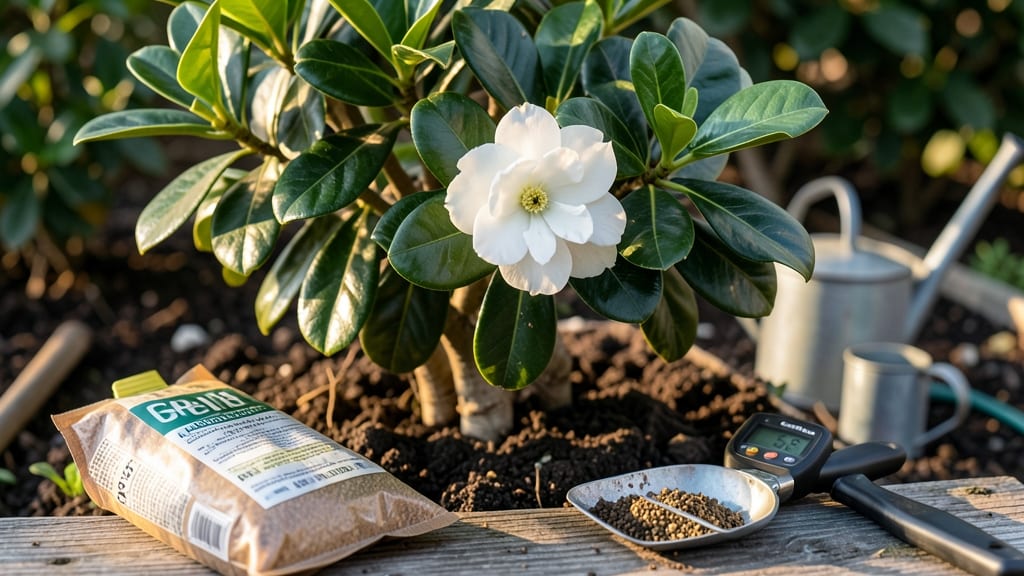
Fertilizing gardenias in Georgia at the right time is the secret to those fragrant, show-stopping blooms 🌸 that make your yard the envy of the neighborhood.
Here’s the catch: Georgia’s humid summers and mild winters mean your gardenias thrive year-round, but feeding them too early or too late can backfire—think sparse blooms or even leaf burn. The key is syncing fertilization with their natural growth cycles, not just the calendar.
In this guide, I’ll walk you through the exact months to fertilize (hint: it’s not just spring!) and how to prep your soil for maximum absorption.
We’ll also cover the best fertilizer types for Georgia’s 7b-8b climate zones and what to do after feeding to keep your gardenias lush and fragrant.
Skip the guesswork and learn how to time it perfectly for bigger blooms and healthier plants—without overdoing it.

Georgia’s ideal fertilization schedule for gardenias: spring & fall timing explained
Georgia’s humid subtropical climate and acidic soils create perfect conditions for gardenias, but fertilization timing makes all the difference. Coastal areas like Savannah thrive with earlier spring feeding, while Piedmont regions (like Athens) should adjust for later frost dates.
The key? Feed when new growth begins and prepare for blooms—never fertilize in winter when plants rest.
Gardenias are acid-loving shrubs that need balanced nutrition to produce those signature creamy white blooms. In Georgia, spring and fall are the only critical windows. Miss these timings, and you’ll risk yellow leaves, fewer flowers, or even root burn from over-fertilizing.
Let’s break down the month-by-month schedule tailored to Georgia’s two distinct climate zones.
🌱 Before you fertilize: Test your soil’s pH (5.0–6.5 ideal) and nutrient levels. Gardenias hate alkaline soil—amend with peat moss or sulfur if needed. Use a slow-release, acid-based fertilizer (like 6-4-8 NPK) for best results. Organic options like cottonseed meal or fish emulsion work too, but dilute them properly to avoid salt buildup.
| Climate Zone | Best Fertilization Window | Fertilizer Type | Application Notes |
|---|---|---|---|
| Coastal (Savannah, Brunswick) | Early March–April (new growth) + Late May (bloom boost) | Slow-release acid fertilizer (6-4-8 NPK) | Apply 1 tbsp per plant, water deeply afterward |
| Piedmont (Athens, Macon) | Late March–April (after last frost) + Early June | Organic: Cottonseed meal or fish emulsion | Mix organic fertilizer into top 2 inches of soil |
| Both Zones | Skip Fall/Winter (October–February) | None (dormant season) | Focus on mulching and light watering |
| Coastal (Post-Bloom) | July (light feed for recovery) | Half-strength fertilizer | Prevents summer stress from heat/humidity |
In coastal Georgia, gardenias wake up earlier—start fertilizing in early March when you spot new leaf buds. Use a balanced acid fertilizer to kickstart growth.
By late May, switch to a bloom-boosting formula (higher phosphorus) to prep for summer flowers. Pro tip: Water plants deeply the day after fertilizing to activate nutrients and prevent leaf burn.
Piedmont gardeners should wait until after the last frost (usually mid-April) before fertilizing. Organic options like cottonseed meal release nutrients slowly, making them ideal for sustained growth.
In early June, add a light feed to support late-summer blooms. Avoid fertilizing after July—your gardenia will focus on maintaining leaves, not producing flowers.
For maximum absorption, always fertilize in the early morning when temperatures are cool. Spread granules evenly under the outer canopy (where roots feed), then water thoroughly. Never fertilize dry soil—it causes salt buildup and root damage.
If you notice yellowing leaves or crispy edges after feeding, flush the soil with water to dilute excess nutrients.
🌿 Organic vs. Synthetic: Organic fertilizers (like compost or worm castings) improve soil structure over time but require more frequent applications. Synthetic options (like Miracle-Gro Azalea/Camellia) deliver quick results but can disrupt soil pH if overused. For Georgia’s acidic soils, I recommend a 50/50 mix—organic for long-term health, synthetic for bloom spikes.
After fertilizing, mulch around the base with 2–3 inches of pine straw to lock in moisture and regulate soil temperature.
This is especially critical in Georgia’s hot summers, where mulch acts like a cooling blanket for roots. Prune lightly after blooming (summer) to shape the shrub and encourage next year’s flowers. Avoid heavy pruning—it stresses the plant and delays new growth.
One common mistake? Fertilizing in fall or winter. Gardenias go dormant in Georgia’s cooler months, and new growth won’t use nutrients—instead, they’ll build up in the soil, risking root burn when spring arrives.
If your gardenia looks weak in early spring, skip the fertilizer and focus on pruning dead branches and adding compost instead.
Signs your Georgia gardenia needs fertilizer (and when to avoid it)
Your Georgia gardenia might be sending you signals that it's time for a nutrient boost. One of the first clues is yellowing leaves, especially on newer growth. This often means nitrogen deficiency, a common issue in Georgia’s fast-draining soils.
Pay close attention to the leaf edges—brown or crispy tips suggest over-fertilization, while soft, pale leaves point to underfeeding.
Another red flag is sparse or small blooms despite proper care. Gardenias in Georgia typically bloom from spring through summer, but if your plant produces fewer flowers than expected, it may need phosphorus.
Check for slow growth too—healthy gardenias grow about 6-12 inches per year. If yours is barely keeping up, fertilization could be the solution.
Seasonal timing matters too. After the spring bloom (March-May), your gardenia enters a recovery phase. This is when a light fertilizer application helps replenish nutrients. However, avoid fertilizing in late summer or fall—this can encourage tender new growth that won't survive Georgia’s cooler temperatures.
When to Fertilize Gardenias in Georgia
- Lush foliage growth
- More abundant blooms
- Stronger roots for drought
- Healthier recovery post-bloom
- Leaf burn from salt buildup
- Root damage from excess salts
- Reduced blooms (too much nitrogen)
- Weak stems prone to breakage
- Early spring (March)
- Mid-spring (April-May)
- Post-bloom recovery (June)
- Late summer (August-Sept)
- Fall/winter (Oct-Feb)
- During drought or heatwaves
If your gardenia shows signs of nutrient deficiency, opt for an acid-loving fertilizer with a 6-4-8 NPK ratio. Apply it in early morning to prevent leaf burn from heat.
Always water thoroughly after applying to help nutrients reach the roots. For established plants, a slow-release granular fertilizer works best—sprinkle 1 tablespoon per plant and lightly scratch it into the soil.
Remember, over-fertilization is just as harmful as under-fertilization. If you notice dark brown patches on leaves or stunted growth after fertilizing, flush the soil with water to reduce salt buildup.
Gardenias in Georgia thrive with balanced care—feed them just enough to support their natural growth cycle without overwhelming their delicate system.
For a quick diagnostic, check your gardenia’s leaf color and growth rate weekly. Healthy gardenias have deep green leaves and steady growth. If you see any of these warning signs, it’s time to adjust your fertilization plan—your gardenia’s fragrance and beauty depend on it! 🌸