
Planting
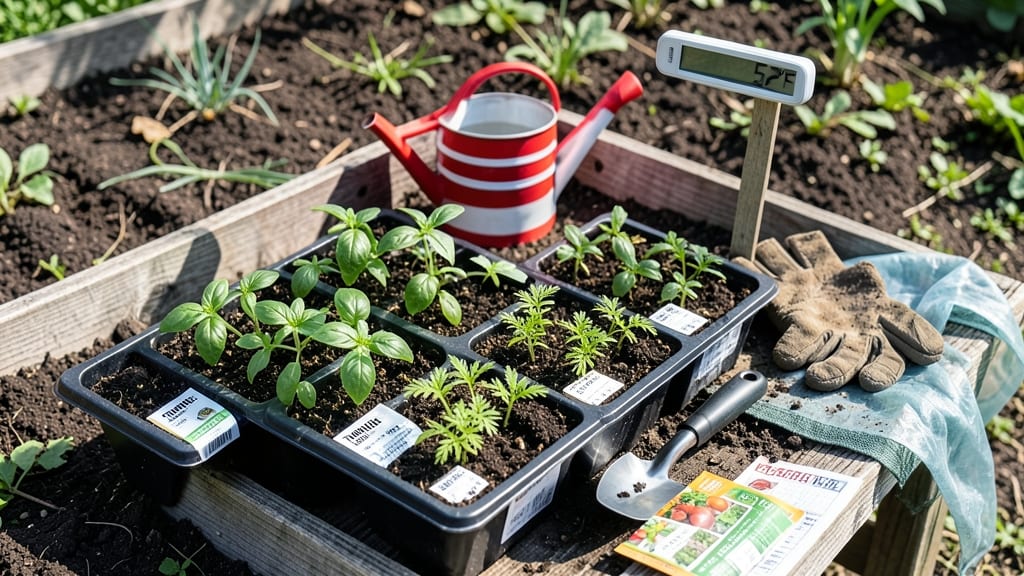
To plant your garden in Tennessee at the perfect time means timing your seeds with the last frost—typically mid-April for most of the state, but earlier in warmer zones like 8b.
Miss that window, and you risk wilted seedlings or stunted growth, especially for warm-season crops like tomatoes and peppers. Tennessee’s climate varies wildly, from the cooler Smoky Mountains to the hotter Memphis Delta, so a one-size-fits-all approach won’t work.
In this guide, I’ll break down the best planting windows for spring and fall crops, how to adjust for microclimates, and which vegetables thrive in Tennessee’s 180-220 frost-free days.
Whether you’re a first-time gardener or a seasoned pro, these tips will help you avoid common mistakes and maximize your harvest—no sad, wilted disappointment here!
Tennessee’s frost-free dates by Zone (7a vs 8b): your planting calendar
Understanding Tennessee’s frost-free dates is the first step to a successful garden. The state spans USDA Zones 7a and 8b, with Zone 7a (cooler, like the Appalachian Plateau) and Zone 8b (warmer, like Memphis) having different timelines.
These dates determine when to plant cool-season crops like lettuce and when to introduce heat-loving plants like tomatoes. Missing the window can mean stunted growth or lost harvests.
For Zone 7a, the average last frost date falls around April 15, while Zone 8b typically sees its last frost by March 15. These dates create a 6-week difference in planting schedules.
For example, you might start cool-season crops in late February in Zone 8b, but wait until early April in Zone 7a. This variation is critical for planning.
Use this frost-free timeline to align your planting with Tennessee’s climate. Whether you’re growing vegetables, flowers, or herbs, timing ensures healthy growth and avoids frost damage.
For instance, tomatoes need warm soil, so planting them before May 1 in Zone 7a risks frost injury. Adjusting for your specific zone saves time and effort.
Here’s a quick reference for key planting windows in both zones, including early, mid, and late options for flexibility:
| Zone | Last Frost Date | First Frost Date | Early Planting Window | Mid Planting Window | Late Planting Window |
|---|---|---|---|---|---|
| 7a | April 15 | October 15 | March 1 - April 15 | April 15 - May 1 | May 1 - June 1 |
| 8b | March 15 | November 1 | February 1 - March 15 | March 15 - April 1 | April 1 - May 1 |
In Zone 7a, start cool-season crops like broccoli and spinach in late February (under row covers) or early March for direct sowing. For warm-season crops like peppers and cucumbers, wait until after April 15 to avoid frost.
In Zone 8b, you can plant tomatoes and basil as early as mid-February in a greenhouse or early March outdoors.
For flowers, like marigolds and zinnias, plant seeds 2-3 weeks after your last frost date. In Zone 7a, this means late April, while Zone 8b gardeners can start in early March.
Herbs like basil thrive in warm weather, so hold off until May 1 in Zone 7a or April 1 in Zone 8b to ensure no frost damage.
Adjust your schedule if you experience early or late frosts. Use frost cloths or row covers to protect tender plants in Zone 7a until May 15. In Zone 8b, you might extend your growing season into early November for fall crops like kale and radishes.
Always check your local National Weather Service updates for real-time adjustments.
Pro tip: Soil temperature matters as much as air temperature. Use a soil thermometer to confirm 60°F for warm-season crops before planting. In Zone 7a, this often aligns with late April, while Zone 8b may reach it by early April.
This small check can save your entire crop from slow growth or failure.
Plan for two planting seasons: spring (March-May) and fall (August-September). In Zone 7a, fall crops like carrots and lettuce can be sown by August 15 for a harvest before frost.
In Zone 8b, extend this to September 15 for a longer growing window. This strategy maximizes your garden’s productivity year-round.
Remember, microclimates within Tennessee can shift these dates by 1-2 weeks. Urban areas like Nashville may experience heat islands, while mountain valleys can stay cooler. Observe your garden’s unique conditions and adjust accordingly. With the right timing, your Tennessee garden will thrive—no frost-related surprises included!
Best vegetables to plant in spring vs fall for Tennessee gardens
Tennessee’s spring and fall seasons offer perfect windows for growing vegetables, but timing is everything. In spring, focus on cool-season crops like lettuce and peas that thrive before summer heat arrives.
Meanwhile, fall planting lets you extend your harvest with heat-tolerant varieties like tomatoes and sweet potatoes. The key? A two-crop strategy—planting early and late to maximize your garden’s potential.
For spring planting, start seeds indoors in February for transplanting after the last frost (typically mid-April in most of Tennessee). Fall planting should begin in late summer (August) to give crops time to mature before the first frost in October.
This approach ensures you’re not competing with extreme temperatures for your plants’ growth.
🌱 Spring vs Fall Planting Guide for Tennessee
- 🌱 Spring Planting (March-May): Start with cold-hardy crops like spinach, kale, and broccoli. These handle Tennessee’s cool early springs and can often survive light frosts. Plant 4-6 weeks before last frost for best results.
- ☀️ Fall Planting (August-September): Opt for heat-tolerant varieties like okra, sweet potatoes, and tomatoes. These thrive in late summer heat and can handle cooler fall temps. Aim to plant 8-10 weeks before first frost.
- 🌿 Two-Crop Strategy: Use fast-growing crops like bush beans or radishes in spring for an early harvest, then replant with fall crops like carrots or lettuce after pulling out spring plants.
- 🌡️ Soil Temperature Matters: Warm-season crops (tomatoes, peppers) need soil at 60°F+. Cool-season crops (spinach, peas) grow best in 50-65°F soil. Use a soil thermometer to check!
- 📅 Frost-Free Timeline: In Zone 7a, last frost is mid-April; in Zone 8b, it’s early April. First frost hits mid-October in both zones. Adjust planting dates by 2-3 weeks if your area runs hotter or cooler.
Don’t overlook succession planting, a game-changer for Tennessee gardens. For example, sow lettuce every 2 weeks in spring to ensure a continuous harvest before summer heat sets in.
In fall, plant bush beans in late July for an early August harvest, then replace them with kale or collards in September for a late-season crop.
If you’re new to fall gardening, start with easy-to-grow crops like green beans, carrots, or turnips. These tolerate cooler temps and can often be harvested straight through November in Tennessee’s warmer zones. For spring beginners, radishes and peas are ideal—they germinate quickly and don’t require much fuss.
Pro tip: Use row covers in early spring or late fall to extend your growing season by 2-3 weeks. These lightweight fabrics protect young plants from late frosts and pests while letting sunlight through. Just remove them when temps rise above 70°F to avoid overheating.
Remember, Tennessee’s microclimates can shift planting windows by weeks. If you live in the Appalachian Mountains, expect cooler springs and later frosts. Gardeners in the Memphis area can push spring planting 2 weeks earlier thanks to warmer soil. Always check your local frost dates and adjust accordingly!