
Tools
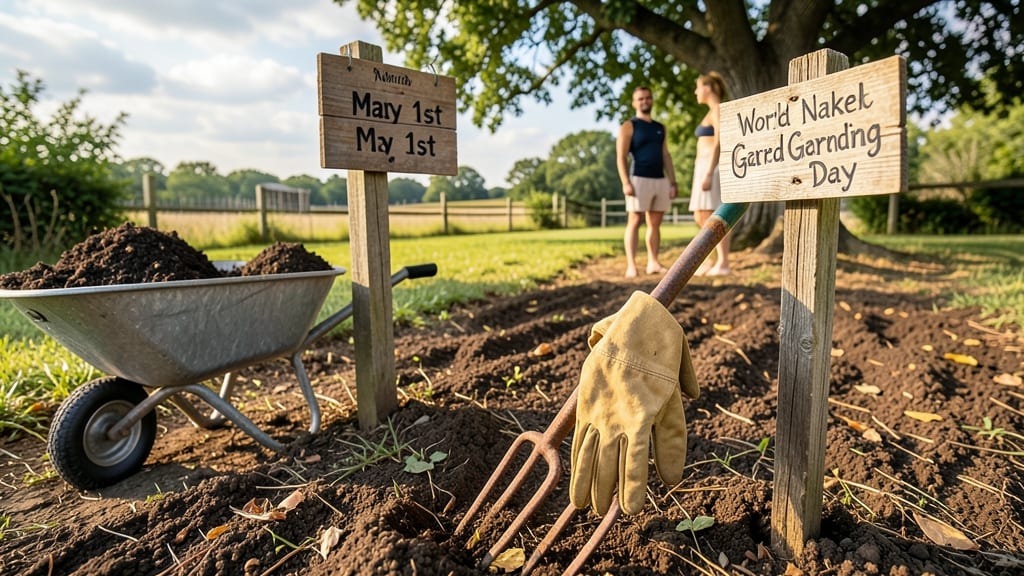
World Naked Gardening Day is celebrated annually on June 15, a playful holiday encouraging gardeners to embrace their green thumbs—literally—while promoting environmental awareness and community fun. The event has no official rules but often includes barefoot gardening, plant swaps, and eco-friendly activities.
This annual celebration originated in 2004 as a lighthearted way to connect gardening with environmental advocacy. 🌿 The idea was simple: remove clothing barriers to make gardening more accessible and to spark conversations about sustainability.
What started as a small online community has grown into a global movement, with participants sharing photos and stories of their barefoot gardening adventures. The holiday's flexibility makes it perfect for both solo gardeners and community events, from planting native species to hosting compost workshops.
If you're new to the concept, don't worry—there's no dress code or strict requirements. The focus is on enjoying the outdoors while doing good for the planet. Many participants use the day to try new eco-friendly practices, like creating natural pest deterrents or starting a community garden.
The key is to make it fun while keeping the environmental message at the heart of the celebration.
💡 In This Article
- The History and Origins of World Naked Gardening Day
- How to Participate in World Naked Gardening Day
The history and origins of World Naked gardening day
World Naked Gardening Day was born in 2004 as a playful yet purposeful response to growing concerns about environmental degradation and the disconnect between people and nature. The holiday's creator, John Francis, a renowned environmental activist and author, wanted to challenge societal norms around gardening while promoting sustainability.
Francis, who famously walked across the U.S. barefoot to raise awareness about conservation, saw the potential in combining humor with activism to engage a broader audience.
The first event was a small, grassroots gathering where participants gardened without clothes, symbolizing a return to the earth's simplicity and a rejection of consumerist barriers.
The day's name itself is a deliberate play on words—"naked" here represents more than just the absence of clothing; it signifies stripping away the layers of indifference that often separate people from the natural world. 🌱 Francis and early supporters believed that removing clothing (and, by extension, social inhibitions) would make gardening feel more accessible and intimate.
The holiday quickly gained traction online, with blogs and forums sharing stories of people planting flowers, composting, or simply enjoying the outdoors in their birthday suits. This digital word-of-mouth spread helped the event grow from a handful of participants to thousands worldwide within a decade.
What makes this holiday unique is its dual focus on environmental action and community building. Unlike traditional gardening events, World Naked Gardening Day encourages participants to engage with the earth in a literal sense—often through barefoot gardening, which connects the soles of your feet to the soil.
Studies show that walking barefoot on grass or dirt can reduce stress and improve grounding, thanks to the negative ions released by the earth (a phenomenon known as "earthing"). This physical connection to nature aligns perfectly with the holiday's mission of fostering a deeper appreciation for the planet.
The cultural impact of the holiday has been significant, particularly in how it normalizes discussions about sustainability.
Events often include plant swaps, where participants exchange seeds or cuttings, and workshops on composting or native plant gardening. 🌿 These activities not only reduce waste but also educate people about low-impact gardening practices.
Over the years, the day has also inspired similar movements, like "World Naked Bike Ride," proving that the concept of using humor and vulnerability to drive social change is powerful and adaptable.
One of the most fascinating aspects of World Naked Gardening Day is how it reflects broader shifts in environmental activism. In the 2000s, as climate change became a mainstream concern, many activists sought creative ways to engage younger audiences and counter the apathy often associated with "serious" environmental issues.
By framing gardening as a fun, inclusive, and slightly rebellious act, the holiday made sustainability feel approachable. This strategy has paid off, with participants ranging from families with small backyard plots to urban gardeners in community lots.
Today, the holiday continues to evolve, with participants sharing their experiences on social media using hashtags like #WNGD or #NakedGardening. Some cities host organized events, while others encourage solo gardening sessions.
The lack of official rules ensures that the day remains flexible, allowing anyone—regardless of location or background—to join in.
Whether you're planting a single tomato seed or organizing a full-day compost workshop, the spirit of the holiday is about celebrating the joy of gardening while reminding us all of our responsibility to care for the earth.