
Pruning
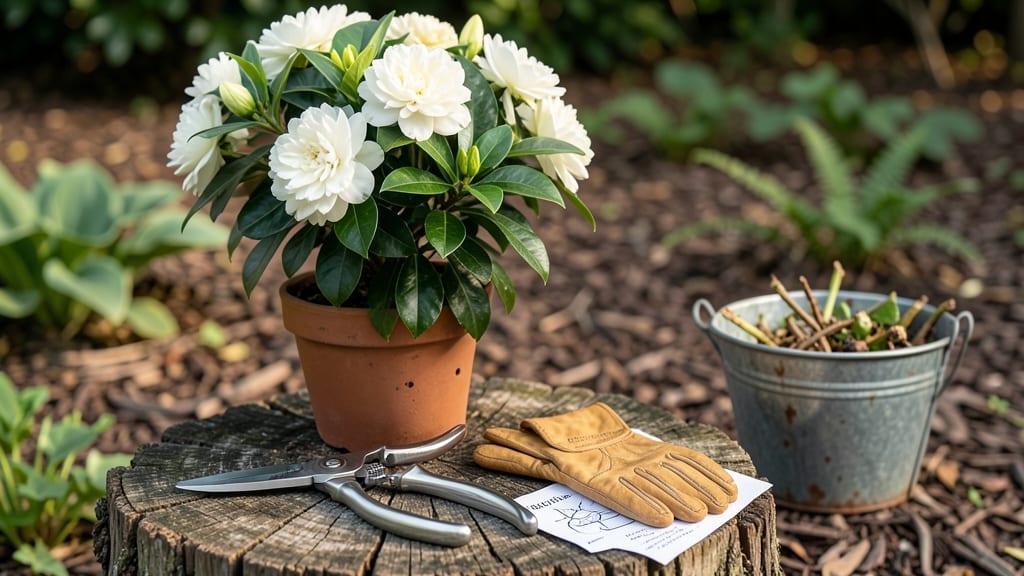
Pruning gardenias at the right time unlocks their best blooms—and late winter is the game-changer for spring fragrance.
Struggling to keep your gardenias blooming beautifully? The secret isn’t just when you prune—it’s mastering the timing to avoid stunted growth and maximize spring flowers. A single misstep can turn your prized shrubs into leggy shadows, but with the right late-winter strategy, you’ll unlock lush, fragrant blooms year after year.
In USDA Zone 7b and similar temperate climates, the ideal window is February to early April, just before new growth begins. This timing ensures you’re not cutting into next year’s buds while still removing dead or overcrowded branches.
But regional differences matter—coastal areas may prune earlier, while colder zones might delay until after the last frost.
Below, I’ll walk you through the exact steps to prune your gardenias 🌸—from sterilizing your tools to shaping for airflow—plus the critical mistakes that kill blooms. Ready to transform your shrubs into fragrant showstoppers?
Late winter pruning: the science behind gardenia blooming cycles
Your gardenias are sending you a clear signal: timing is everything when it comes to pruning. These fragrant shrubs rely on a delicate biological rhythm that begins in late winter, when they emerge from dormancy.
Pruning too early disrupts their bud formation, while waiting too long can crowd out next year’s blooms. Understanding this cycle is the key to unlocking abundant spring flowers and lush foliage.
Late winter—typically February to March in most temperate climates—is the perfect window because gardenias are still dormant but just beginning to prepare for new growth. This timing allows you to remove dead or weak branches without stimulating premature growth that could be damaged by late frosts.
Think of it as giving your plant a fresh start before the growing season officially kicks off.
Here’s the science: Gardenias form flower buds on last year’s wood, meaning they need healthy branches from the previous season to produce blooms. Pruning in late winter removes unproductive growth while preserving the framework needed for spring flowering.
If you prune too late, you risk cutting off potential bloom sites before they’ve had a chance to develop.
But timing isn’t one-size-fits-all. Climate plays a huge role: In warmer regions like USDA Zone 9 or 10, gardenias may start budding as early as January, while in colder zones like Zone 7 or 8, you might need to wait until late March.
The goal is to prune just before new growth begins—when you can see swollen buds but haven’t yet spotted fresh leaves.
| Stage | Action | Climate Adjustments |
|---|---|---|
| Dormant Phase | Remove dead, diseased, or crossing branches | Zones 7-8: Wait until late March |
| Early Bud Swelling | Shape for airflow; cut just above leaf nodes | Zones 9-10: Prune by February |
| Active Growth | Avoid pruning; focus on fertilizing | All zones: Skip pruning after buds break |
| Post-Flowering | Light cleanup of spent blooms | Zones 7-10: May-June only |
To spot the perfect pruning window, look for these visual cues: The branches should feel firm but not woody, and you’ll notice tiny buds forming along the stems. If you see fresh green leaves, you’ve waited too long—pruning then can stress the plant and reduce flowering.
Pro tip: Check the local frost dates and prune 2-3 weeks before your area’s average last frost to avoid damaging tender new growth.
One common mistake is over-pruning, which can leave your gardenia looking bare and struggling to recover. Aim to remove no more than 25-30% of the plant’s foliage in a single session.
Focus on opening up the center for better airflow and sunlight penetration, which reduces fungal diseases like powdery mildew—a frequent issue with gardenias.
If you’re in a warmer climate, like Florida or Southern California, your gardenias might start blooming in late winter. In this case, delay pruning until after the first flush of flowers has faded, typically around March or April.
This ensures you don’t cut off potential bloom sites before they’ve had a chance to develop. For colder climates, like the Pacific Northwest, prune in late March or early April to give the plant time to harden off before warmer weather arrives.
Remember, gardenias are sensitive to stress, so always use sterilized tools to prevent disease spread. After pruning, give your plant a light fertilizer to encourage robust new growth. This is also the perfect time to mulch around the base to retain moisture and protect roots from temperature swings.
With the right timing, your gardenias will reward you with glorious spring blooms that fill your garden with fragrance.
🌸
Step-by-step late winter pruning guide: tools, techniques, and mistakes to avoid
Late winter is the perfect window to prune gardenias—when they’re still dormant but just days away from bursting into new growth. This timing ensures you remove dead or weak branches while encouraging dense, blooming stems for spring.
But timing isn’t the only secret: your tools, cuts, and post-pruning care all play critical roles in whether your gardenias reward you with fragrant, abundant blooms or struggle to recover.
Before you begin, gather your sterilized pruning tools—bypass pruners for small branches and loppers for thicker stems. Sterilization isn’t optional: gardenias are prone to bacterial infections, and contaminated tools can spread disease faster than you can say “wilted leaves.”
Wipe blades with rubbing alcohol or a 10% bleach solution between cuts to keep your shrubs healthy. Once your tools are ready, the real work begins: shaping your gardenia for airflow and sunlight penetration, which prevents fungal issues and encourages uniform growth.
- 1 Wait for the right moment: Prune 4–6 weeks before your area’s last frost date (typically February–early March in most U.S. regions). In warmer climates (Zones 9–11), aim for late winter to early spring when nights stay above 40°F. Avoid pruning after new growth appears, as this can stunt flowering.
- 2 Inspect for dead/diseased wood: Remove any brown, mushy, or hollow branches first—these won’t regrow. Cut back to healthy green tissue or a leaf node. Healthy wood should snap when bent; diseased wood will crush or peel.
- 3 Shape for airflow: Thin out overcrowded branches to improve circulation. Aim to remove 1/3 of the oldest stems to rejuvenate the shrub. Cut just above a leaf node (the bump where leaves grow) at a 45-degree angle to prevent water pooling.
-
4
Avoid these pruning sins:
- ❌ Cutting into old wood (no green tissue left = no regrowth)
- ❌ Over-pruning (>30% of foliage removed at once)
- ❌ Topping (cutting flat across the top)
- 5 Post-pruning care: Water deeply to reduce shock, then apply 2–3 inches of mulch around the base (keep mulch away from the trunk). Fertilize with an acid-loving plant mix (like azalea food) in 4–6 weeks to fuel new growth.
One of the biggest mistakes gardeners make is pruning too late in the season, which delays bud formation and reduces next year’s blooms. If you’ve already missed late winter, don’t panic—just wait until early spring (before leaves emerge) and prune lightly.
Gardenias are forgiving, but they hate being pruned after bud set (typically May–June), as this removes next year’s flowers. Think of pruning as a spring cleaning for your shrub: remove the clutter so energy can focus on new, vibrant growth.
After pruning, monitor your gardenias closely for the first 2–3 weeks. Look for new shoots emerging from the leaf nodes—this is your sign that the pruning worked! If you notice yellowing leaves or stunted growth, it could mean over-pruning or nutrient stress.
In this case, apply a balanced fertilizer (like 10-10-10) and keep the soil consistently moist but not soggy. With the right care, your gardenias will reward you with lush foliage and fragrant blooms by summer.
Pro tip: Take a before-and-after photo of your pruned gardenia. Comparing the two will help you track progress and refine your technique next year. And remember—patience is key. Gardenias grow slowly, but with the right late-winter pruning, you’ll set the stage for years of stunning blooms. 🌸