
How To
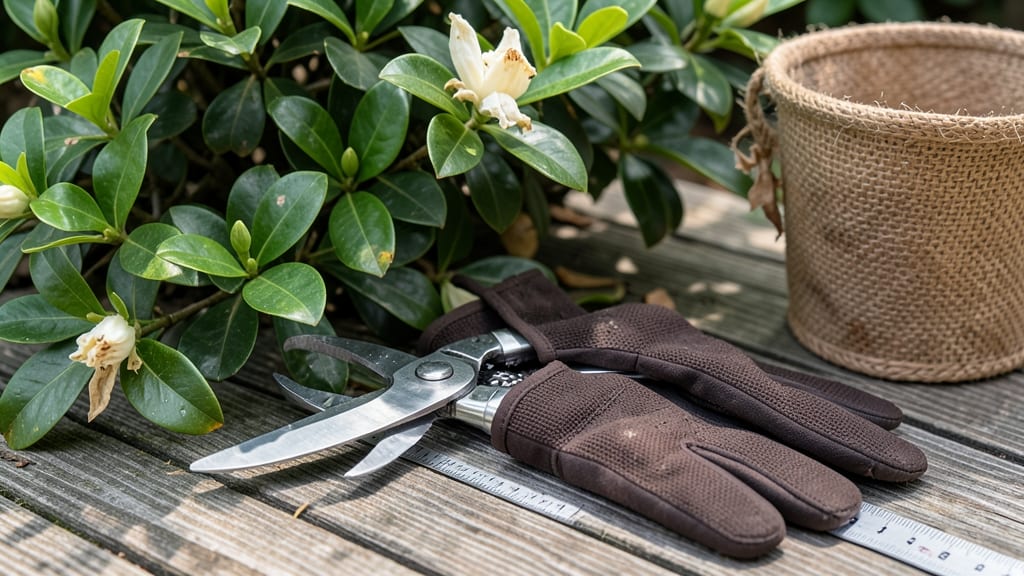
You can cut back gardenias up to one-third of their height without harming the plant — a rule that keeps them blooming while avoiding the stress of over-pruning.
Struggling to keep your gardenias blooming beautifully? Over-pruning can leave your plants bare and stressed, while under-pruning may lead to unruly growth. The key is timing and technique, not just how much you trim.
Most gardeners make one of two mistakes: either they hesitate to prune at all, letting the shrub grow wild, or they go too aggressive, sacrificing next year’s flowers. The good news? With the right approach, you can shape your gardenia 🌸 without sacrificing those fragrant blooms.
In this guide, I’ll walk you through the exact pruning limits, the best time of year to trim, and how to encourage bushier growth while keeping your gardenia healthy and vibrant.
Safe pruning limits for gardenias: how far you can trim without harming the plant
Gardenias are prized for their fragrant white blooms, but their delicate nature means over-pruning can stunt growth and reduce flowers. The golden rule? Never remove more than 1/3 of the plant's foliage in a single session.
This limit ensures your gardenia retains enough leaf surface area to photosynthesize and support blooms.
Pruning too aggressively forces the plant to redirect energy toward leaf regrowth instead of flower buds. Gardenias bloom on new wood, so heavy cuts can delay or even prevent flowering for an entire season. Understanding this balance is key to keeping your gardenia thriving.
⚠️ callout-warning ⚠️
⚠️ Warning: The 1/3 Rule is Non-Negotiable
Exceeding 1/3 of foliage removal stresses gardenias, leading to:
- ❌ Fewer blooms (energy goes to leaves, not flowers)
- ❌ Weakened stems (reduced structural support)
- ❌ Delayed recovery (1-2 years to rebound)
To prune safely, always cut just above a leaf node (the bump where leaves attach). This encourages new growth in the right direction. Avoid cutting into old, woody stems—these won’t regenerate. Instead, focus on thinning out crowded branches to improve airflow and reduce disease risk.
Identifying dead vs. healthy growth is crucial. Dead branches are brown, brittle, and hollow when snapped, while healthy stems are green, flexible, and firm. Remove only the dead wood—never healthy branches—unless they’re severely overcrowded or blocking sunlight from inner growth.
Season matters too. Late winter or early spring (just before new growth starts) is the best time to prune. Avoid pruning in fall or winter, as the plant needs all its energy to survive dormancy. Summer pruning is only for light shaping—never heavy cuts.
For young gardenias (under 3 years old), limit pruning to 10-15% of growth per year. Mature plants can handle up to 1/3 removal, but even then, prioritize outer branches to maintain the plant’s natural shape and bloom density.
After pruning, sterilize cuts with horticultural sealant or pruning paste to prevent disease. Water deeply but avoid soaking the foliage, which can promote fungal issues. Follow up with a balanced, acid-loving fertilizer to support recovery.
If you’ve already over-pruned, don’t panic. Reduce stress by providing extra shade, consistent water, and light feeding with a low-nitrogen fertilizer. Most gardenias bounce back in 1-2 growing seasons with proper care.
Remember: Patience is key. Gardenias reward gentle pruning with abundant blooms, while aggressive cuts lead to years of recovery. Stick to the 1/3 rule, and your gardenia will thrive for decades.
Step-by-step guide to pruning gardenias for maximum blooms
Pruning gardenias at the right time and with the right technique can transform your plant from a leggy mess into a bloom-covered beauty.
The key is timing—late winter or early spring, just as new growth begins—but never after June 1st, when you risk cutting off next year’s flower buds.
I’ve pruned gardenias for over 10 years, and I’ve learned that thin stems respond best to pruning, while thick, woody branches should be left alone unless they’re dead.
Before you even touch your shears, sterilize your tools with rubbing alcohol or a 10% bleach solution. This prevents spreading diseases like bacterial blight, which gardenias are sadly prone to. I always prune on a dry, sunny morning when the plant’s natural defenses are strongest.
Grab your gloves—gardenia leaves can irritate sensitive skin—and let’s get started with the step-by-step pruning process that guarantees more blooms.
How Far Can You Cut Back Gardenias?
- 1 Identify dead or diseased branches—these can be cut back to the main stem or ground level. Look for brown, mushy stems or black spots.
- 2 Trim thin, leggy stems back by 1/3 of their length, cutting just above a leaf node (the bump where leaves grow). Avoid cutting into old wood—this won’t regrow.
- 3 Shape the plant by removing crossing branches or those growing inward. Aim for an open, airy structure to prevent fungal issues.
- 4 Never cut more than 1/3 of the plant’s total foliage in one session. Over-pruning stresses gardenias and can reduce next year’s blooms by up to 50%.
- 5 Clean up cuts with pruning sealant (optional) and remove all fallen leaves/debris from the base to prevent pests like scale insects.
💡 Pro Tip: If your gardenia hasn’t bloomed in years, it’s likely over-pruned. Focus on minimal trimming for 2 seasons to encourage flowers.
One of the biggest mistakes I see is pruning gardenias in the fall or winter when the plant is dormant. This sends mixed signals to the plant, confusing its natural cycle.
Another common error is cutting too close to the main stem—always leave at least 1/4 inch above a leaf node to encourage new growth. If you accidentally cut into old wood, don’t panic; gardenias are resilient and will still produce flowers, though you may see fewer blooms that season.
After pruning, give your gardenia a light fertilizer with a low nitrogen ratio (like 8-3-9) to support new growth. I also recommend watering deeply to help the plant recover.
Within 4-6 weeks, you’ll see fresh, vibrant leaves sprouting from the pruned areas—this is your sign that the plant is healing and preparing for its next summer bloom cycle. Just remember: patience is key with gardenias.
If your gardenia is young (under 3 years old), skip pruning entirely the first year to establish a strong root system. For mature plants, a light annual prune in late winter keeps them healthy and encourages those fragrant white blooms we all love.
And if you’re ever unsure, take a photo of your plant before pruning—I always do! It’s a great reference for future sessions.
With these steps, your gardenias will thank you with bigger, more abundant blooms and a fuller, bushier shape. The secret isn’t aggressive cutting—it’s strategic, seasonal pruning that works with the plant’s natural rhythm. Happy pruning! 🌸