
Planting
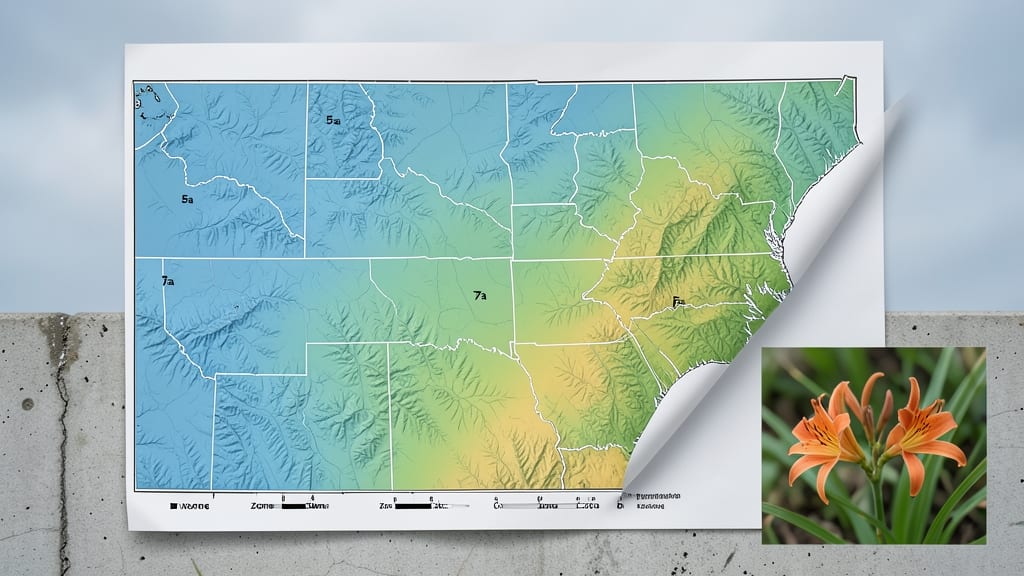
Pennsylvania's gardening zones range from USDA Zone 4 in the north to Zone 7 in the south, with most areas falling between Zones 5 and 6. Northern counties like Erie sit in Zone 5, while central regions including Pittsburgh and Harrisburg are Zone 6, and southern areas like Philadelphia reach Zone 7.
Understanding your gardening zone helps you choose the right plants for your climate.
Pennsylvania's varied geography means temperatures can shift dramatically even within short distances—mountainous areas often drop into Zone 4, while urban heat islands in cities like Philadelphia can push microclimates into Zone 7. 🌿 The USDA map provides a great starting point, but local nurseries or extension services can offer even more precise recommendations for your specific county.
For example, Zone 5 plants like Russian sage or coneflowers thrive in Erie's cooler climate, while Zone 7-friendly camellias or crepe myrtles do well in warmer southern regions.
The state's diverse zones also mean you can grow everything from frost-hardy kale in the north to tender citrus in protected southern microclimates.
💡 In This Article
- Understanding Pennsylvania’s USDA Gardening Zones by Region
- Best Plants for Pennsylvania’s Zones 4-7
Understanding Pennsylvania’s USDA gardening zones by region
Pennsylvania's gardening zones reflect its dramatic geographic diversity—from the cool, lake-influenced climate near Erie to the warmer, humid valleys of the south.
The USDA map uses average annual minimum temperatures to define zones, and Pennsylvania's range from Zone 4 (average -30°F) in the mountainous northwest to Zone 7 (average 0°F) in the southeast creates a patchwork of growing conditions.
For instance, the Poconos Mountains in northeastern PA dip into Zone 4, while the Delaware Valley approaches Zone 7. This variation happens because elevation adds 3-5°F of cooling per 1,000 feet—so mountain gardens at 2,000 feet may be 10°F colder than valley floors just miles away.
The state's latitude also plays a key role: Northern counties like Erie (Zone 5) experience shorter growing seasons with earlier frosts, while southern cities like Lancaster (Zone 6b) enjoy 100-140 frost-free days compared to Erie's 120-160 days.
Microclimates further complicate things—urban heat islands in Philadelphia can create pockets of Zone 7b where nighttime lows rarely drop below 5°F, while rural areas just 20 miles away might stay in Zone 6a. The USDA map's color-coded system helps visualize this, but local factors like lake effects (from Lake Erie) or valley warming can shift actual conditions by 1-2 zones.
What this means for gardeners is that plant selection must account for both macro- and micro-level conditions. A Zone 5 plant like butterfly bush might survive in Erie but struggle in Harrisburg (Zone 6), while Zone 7 favorites like camellias need protection in Pittsburgh.
The key is matching plants to your specific last-average-frost date—typically April 15 in the north and March 15 in the south—and choosing varieties with cold-hardiness ratings that align with your zone's minimum temperatures.
For example, 'Purple Smoke' bush beans (Zone 4) thrive in the Poconos but may bolt prematurely in Philadelphia's warmer springs.
Urban vs. rural differences further complicate zone assignments. Cities experience 2-5°F warmer nighttime temperatures due to concrete and asphalt retaining heat, while rural areas may have cooler microclimates from open fields.
This is why checking the USDA map's county-level details is crucial—Philadelphia's suburbs might be Zone 6b, while outlying farmland could be Zone 6a. The map's legend shows these variations through color gradients, but for precision, gardeners should consult their county's agricultural extension office or use hyper-local tools like PlantMaps, which overlays real-time weather data onto planting zones.
One often-overlooked factor is soil temperature, which can lag behind air temperatures by 2-4 weeks in spring. This means even if your zone suggests planting tomatoes by May 1, soil may not reach 60°F (the minimum for germination) until May 15.
Gardeners in Zone 5 should plan for 10-14 days of soil warming before transplanting tender crops. The USDA map doesn't account for this, so pairing it with a soil thermometer adds another layer of accuracy—critical for vegetables like peppers that need consistently warm soils to thrive.
For those new to gardening in PA, start by identifying your exact zone subdivision (e.g., Zone 6a vs. 6b) using the USDA's interactive map, then adjust for local conditions.
A simple test is to observe when your neighbors' daffodils bloom—typically Zone 5 plants in the north, Zone 6 in the center. This natural indicator can help fine-tune your zone knowledge before selecting plants.
The state's diversity actually makes gardening exciting—you can grow everything from hardy kiwi in Zone 5 to fig trees in Zone 7 with the right site selection and care.