
Planting
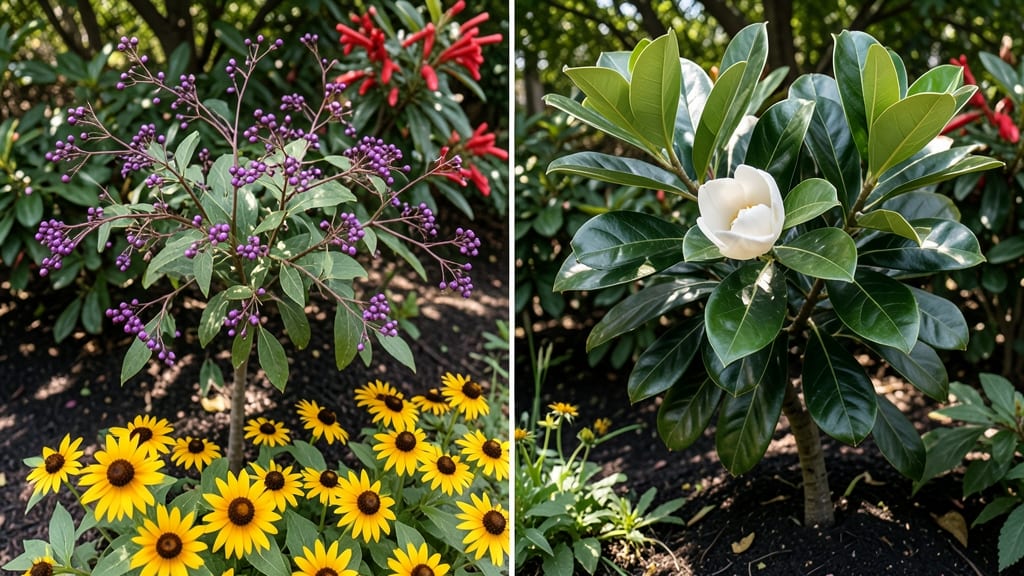
Atlanta, Georgia's gardening zone is USDA 7b and 8a, with frost typically ending between March 15 and April 15. Plant spring crops after April 15 and finish fall planting by November 1 for heat-sensitive plants.
Understanding Atlanta's gardening zone helps you choose the right plants for your yard. 🌱 The difference between 7b and 8a means your garden can handle temperatures down to 0°F in Zone 7b but slightly warmer winters in Zone 8a areas.
This affects everything from when you can plant tomatoes to which perennials will thrive year after year. For example, azaleas and camellias love Atlanta's climate, while tender annuals like basil need to be planted after the last frost date.
Atlanta's planting calendar also varies by location within the city. Areas near the foothills may experience slightly cooler microclimates, while urban heat islands can create warmer pockets. Always check local frost dates and soil temperatures before planting to maximize your garden's success.
💡 In This Article
- USDA Zone 7b vs 8a: What It Means for Atlanta Gardens
- Atlanta Planting Calendar: Exact Timelines for Vegetables, Flowers, and Perennials
USDA Zone 7b vs 8a: what it means for Atlanta gardens
Atlanta's USDA zone classification splits into two distinct categories: Zone 7b, where temperatures can drop to 0°F to 10°F, and Zone 8a, with minimum temperatures of 10°F to 20°F. This 10°F difference translates to critical survival thresholds for plants.
For example, a 20°F cold snap in Zone 7b might kill tender perennials like hibiscus, while the same temperatures would be survivable in Zone 8a areas.
The city's elevation changes—from 1,000 feet in the north to 800 feet in the south—create these microclimates where frost pockets form in low-lying areas while urban heat islands stay warmer.
This zone distinction affects dormancy cycles too. Plants in Zone 7b enter deeper dormancy earlier, requiring 100-150 hours of chilling below 45°F to break dormancy, while Zone 8a plants may need only 50-100 hours.
That's why fruit trees like peaches (Zone 5-9) thrive in both zones, but their flowering times shift—Zone 7b trees bloom 2-3 weeks earlier than their Zone 8a counterparts. The 10°F difference also means Zone 8a can support subtropical plants like dwarf citrus that would perish in Zone 7b's colder winters.
For gardeners, this means careful plant selection. Zone 7b areas can grow cold-hardy roses like 'Knock Out' (Zone 4-9), while Zone 8a can handle tender camellias that might get frost damage in colder pockets.
The city's average annual minimum temperature of 15°F (citywide) explains why some Atlanta gardens succeed with zone-pushing plants like figs or olive trees—when protected. Microclimates near lakes or south-facing walls can create Zone 9-like conditions in small pockets, while north-facing yards may experience Zone 6-like freezes.
Cold hardiness thresholds are where this gets technical. Most annuals survive down to 28°F, but perennials like lavender need 15°F protection. Atlanta's average last frost date (March 15-April 15) creates a 30-day window where early spring planters risk frost damage to heat-loving crops like tomatoes.
The 10°F zone difference also affects flowering times—Zone 8a azaleas may bloom 3 weeks later than Zone 7b varieties, shifting peak bloom seasons by nearly a month.
What most gardeners don't realize is how Atlanta's urban heat island effect creates 5-10°F warmer microclimates in downtown areas compared to suburbs. This means Zone 8a plants can thrive in Buckhead where they'd struggle in Decatur.
Always check local frost records (not just the city average) when selecting plants—some neighborhoods experience late May frosts while others stay frost-free by March. The USDA zone map provides a baseline, but Atlanta's topography demands on-the-ground observation for precise planting success.
Consider these key factors when choosing plants for your Atlanta garden:
- Zone 7b areas: Prioritize cold-hardy perennials like Russian sage and black-eyed Susans that survive 0°F temperatures
- Zone 8a areas: Experiment with subtropical plants like dwarf yaupon holly or Mexican feather grass
- Urban heat islands: Choose heat-tolerant varieties of vegetables like 'Heatmaster' tomatoes
- Microclimate protection: Use windbreaks in exposed areas to protect Zone 8a plants from Zone 7b-like cold snaps