
Tools
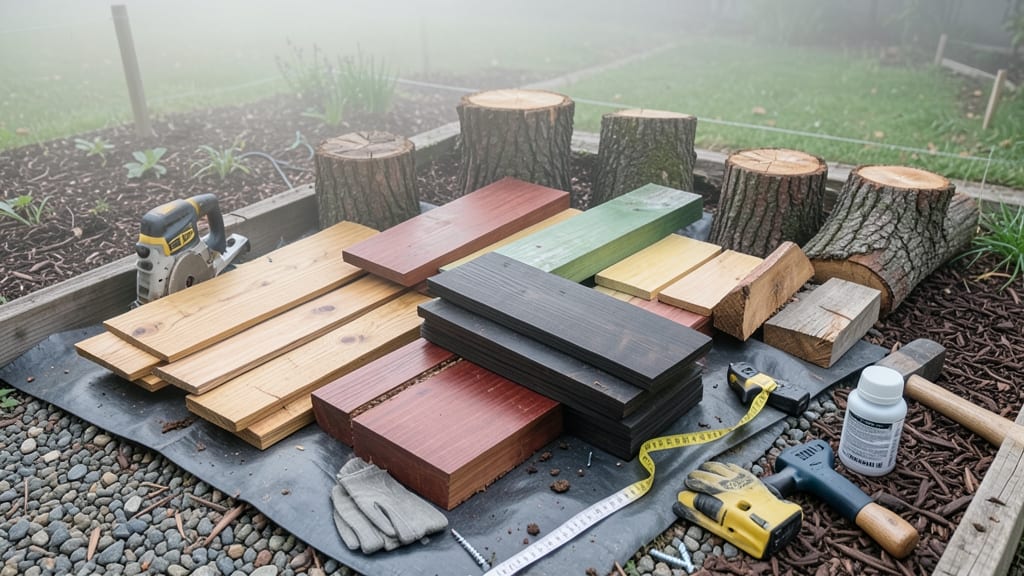
Top 5 rot-resistant woods for long-lasting garden beds
When building a raised garden bed, the wood you choose can make or break your project's longevity. Rot-resistant woods like cedar and black locust naturally repel moisture and pests, while treated lumber offers budget-friendly durability.
Each option has unique benefits—whether you prioritize environmental sustainability, cost-effectiveness, or low-maintenance performance. Let's compare the top contenders to help you make an informed decision that aligns with your garden's needs and your budget.
First, consider your climate. Humid regions demand woods with natural rot resistance, while dry climates may tolerate treated lumber better.
For example, cypress wood thrives in wet conditions due to its natural oils, but it may not be the best choice for arid areas where moisture retention is less of a concern. Always match your wood selection to your local weather patterns for the longest lifespan.
| Wood Type | Rot Resistance (1-10) | Lifespan (Years) | Cost (per board foot) | Environmental Impact | Best For |
|---|---|---|---|---|---|
| Cedar | 9/10 | 10-20+ | $3.50-$6.00 | Sustainable (FSC-certified) | Raised beds, veggie gardens |
| Redwood | 8/10 | 15-25 | $4.00-$7.50 | Moderate (harvested sustainably) | Herb gardens, decorative beds |
| Black Locust | 10/10 | 20-30+ | $5.00-$9.00 | High (native, pest-resistant) | Long-term projects, permaculture |
| Cypress | 8/10 | 10-15 | $3.00-$5.50 | Low (chemical treatments) | Wet climates, container gardens |
| Treated Lumber (ACQ) | 7/10 | 8-12 | $1.50-$3.00 | Moderate (chemical use) | Budget projects, short-term use |
Cedar is my top recommendation for most gardeners. Its natural oils make it highly rot-resistant and naturally repel insects, reducing maintenance. Cedar also has a pleasant aroma that deters pests like carpenter ants and termites. However, its higher cost may be a drawback for larger projects. If you're building a vegetable garden bed, cedar's longevity and chemical-free properties make it ideal for growing edibles without soil contamination risks.
Black locust is the ultimate long-term choice, often lasting 30 years or more with minimal care. This hardwood is naturally resistant to rot, insects, and even fire, making it perfect for permaculture designs or high-traffic garden areas. The downside? It's expensive and can be difficult to find at local lumberyards. If you're committed to a decades-long garden bed, black locust is worth the investment for its unmatched durability.
Redwood offers a balance between cost and performance, with a lifespan of 15-25 years in most climates. Its rich color and natural beauty make it a favorite for decorative garden beds, while its resistance to moisture and insects keeps it reliable in wetter regions. However, redwood requires more frequent sealing than cedar to maintain its protective oils over time. For a herb garden or ornamental bed, redwood provides both function and aesthetics.
If you're working with a tight
How to choose the best wood for your garden bed type
Not all woods are created equal when building garden beds. The type of wood you choose depends on your garden bed style—whether it's raised beds, in-ground frames, or container gardens—and the specific needs of your plants.
For example, acid-loving plants like blueberries thrive in cedar, while neutral-soil vegetables like tomatoes do well in untreated redwood. Let's break down the best options for each scenario.
Your garden bed type also influences wood selection. Raised beds need wood that resists moisture and lasts 10+ years, while in-ground frames require wood that won’t warp from soil contact. Container gardens demand lightweight yet durable options.
Matching wood to these needs ensures your garden bed remains functional and safe for your plants.
Wood Type Matching Guide
| Garden Bed Type | Best Wood Options | Pros | Cons |
|---|---|---|---|
| Raised Beds | Cedar, Redwood, Black Locust | Natural rot resistance, chemical-free, long-lasting | Higher cost than pine |
| In-Ground Frames | Cypress, Pressure-Treated (ACQ), Composite | Resists soil moisture, durable | Risk of leaching chemicals (avoid old CCA-treated) |
| Container Gardens | Untreated Pine, Cedar, Bamboo | Lightweight, affordable, easy to replace | Shorter lifespan than hardwoods |
| Acid-Loving Plants | Cedar, Redwood, Untreated Pine | Natural acidity, safe for blueberries, azaleas | May need soil amendments for non-acid plants |
| Neutral-Soil Plants | Black Locust, Cypress, Composite | Balanced pH, no chemical leaching | Limited aesthetic options |
🌱 Tip: Always check wood for chemical treatments before planting edibles.
For raised beds, I recommend cedar or redwood because they naturally resist rot and insects. These woods also leach fewer chemicals into the soil, making them ideal for growing vegetables and berries.
If you're on a budget, untreated pine can work for short-term projects, but plan to replace it every 3-5 years.
If you're framing an in-ground garden bed, cypress or black locust are excellent choices. Both handle moisture well and last longer than pine. For container gardens, lightweight cedar or bamboo keeps the weight manageable while still offering durability.
Just avoid pressure-treated wood with old arsenic-based chemicals—opt for ACQ-treated lumber instead.
Another key factor is soil pH compatibility. Cedar and redwood are great for acid-loving plants like blueberries and rhododendrons. For neutral-soil plants such as tomatoes and peppers, black locust or composite wood won’t alter soil chemistry. Always test your soil pH before choosing wood to avoid stunting plant growth.
Finally, consider your climate. In humid regions, cedar and redwood excel due to their natural resistance to moisture. In dry climates, untreated pine can last longer because it doesn’t absorb as much water.
No matter your location, always seal the wood with a non-toxic sealant to extend its lifespan and protect your plants.
By matching your wood type to your garden bed style and plant needs, you’ll create a long-lasting, healthy growing space that supports thriving plants for years to come. 🌿