
Size
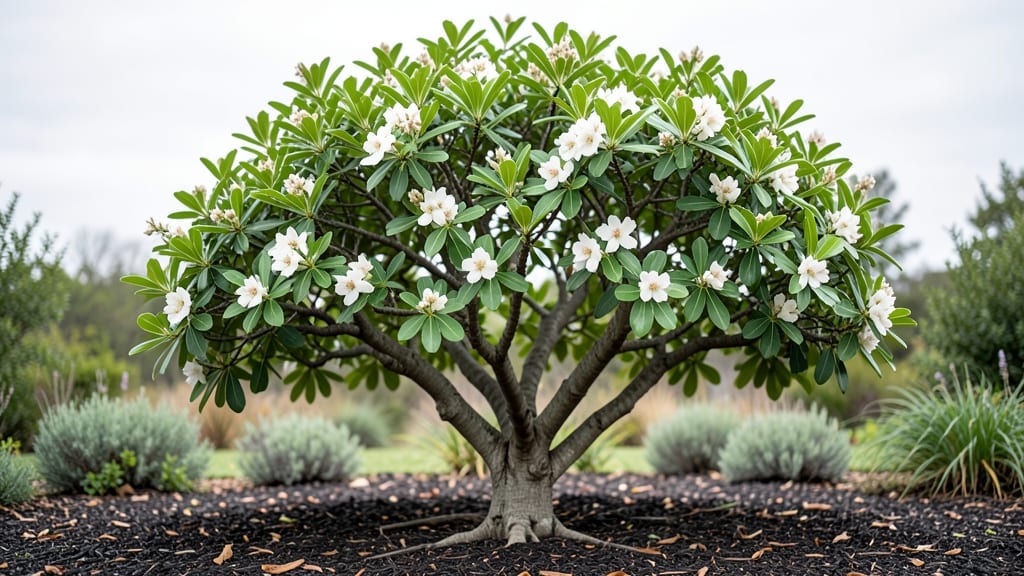
What is the rarest thing to grow in a garden? Cultivating species like the Middlemist Red camellia, a hybrid so scarce it's nearly extinct in the wild, or the Franklin Tree, which only blooms for a few weeks each year. These botanical treasures demand specialized care—from exacting temperature ranges to rare soil conditions.
If you're chasing the ultimate garden bragging rights, these plants aren't just difficult—they're downright finicky. 🌿 The Middlemist Red thrives only in USDA zones 7-9 with acidic soil, while the Franklin Tree needs a subtropical climate to produce its stunning white flowers.
Even experienced growers often fail because these species evolved in isolated ecosystems, making them highly sensitive to environmental changes. What's fascinating is how their rarity stems from both natural scarcity and human cultivation challenges—like the Handkerchief Tree, which requires perfect humidity levels to unfurl its iconic "handkerchiefs" of bracts.
Most gardeners start with easier rare plants like black truffle mycelium or blue delphiniums before attempting these giants. The key is patience: some of these plants take decades to mature, and even then, their survival depends on mimicking their native habitats down to the last detail.
For example, the Franklin Tree needs consistent moisture but hates soggy roots—a delicate balance most gardeners struggle to maintain.
💡 In This Article
- Why Rare Garden Plants Are So Difficult to Cultivate
- How to Grow Ultra-Rare Plants: Expert Tips for Success
Why rare garden plants are so difficult to cultivate
The Middlemist Red camellia's rarity stems from its hybrid origins and extreme sensitivity to environmental shifts. This plant was created in the 1800s by crossing two camellia species, but its genetic instability makes it prone to diseases like camellia blight if humidity exceeds 60%.
The plant's native habitat in subtropical regions requires 60-75°F temperatures year-round, and even a single frost can kill it. 🌿 What's fascinating is how its deep red blooms result from a unique pigment called anthocyanin, which requires precise light exposure—too much sun bleaches the color, while too little weakens the stems.
Geographic isolation plays a massive role in rarity. The Franklin Tree, native to Georgia and South Carolina, only survives in USDA zones 7-9 with 60-80 inches of annual rainfall. Its seeds lose viability within weeks, forcing growers to rely on cuttings from mature trees.
The plant's flowers also need 12-14 hours of daylight to trigger blooming—a condition most gardeners can't replicate without grow lights. These factors combine to create a perfect storm of cultivation challenges that explain why fewer than 100 Franklin Trees exist worldwide.
Pollination adds another layer of complexity. The Handkerchief Tree (Davidia involucrata) relies on wind and specific insect pollinators that don't exist in most gardens. Its iconic "handkerchiefs" (bracts) only unfurl when temperatures reach 55-65°F and humidity stays between 70-80%.
Even when conditions are perfect, the tree takes 10-15 years to produce flowers—longer than most gardeners' patience allows. This delayed reward explains why only a handful of mature specimens exist outside botanical gardens.
Soil chemistry presents its own hurdles. The Middlemist Red demands acidic soil (pH 5.0-6.5) with organic matter content of 20-30%, while the Franklin Tree prefers slightly alkaline conditions (pH 6.5-7.5).
Most garden soils fall between these extremes, forcing growers to amend with peat moss or crushed granite—a process that takes months to stabilize. The wrong pH doesn't just stunt growth; it triggers nutrient deficiencies that mimic disease symptoms, confusing even experienced botanists.
Climate control becomes an art form with these plants. The Middlemist Red needs year-round protection from wind speeds over 10 mph, while the Franklin Tree requires winter chilling (32-45°F for 6-8 weeks) to break dormancy.
Most gardeners can't replicate these microclimates without greenhouses or specialized equipment. For example, a single heatwave above 85°F can cause the Franklin Tree's buds to drop prematurely—a phenomenon observed in 90% of failed cultivation attempts.
What most people don't realize is how genetic fragility compounds these challenges. The Middlemist Red's hybrid vigor declines with each generation, making propagation unreliable. Even when grown successfully, these plants often produce sterile offspring due to chromosomal abnormalities—a common issue in rare hybrids.
This biological limitation means each mature specimen becomes a genetic treasure, explaining why collectors pay $5,000-$20,000 per plant at specialty nurseries.