
Size
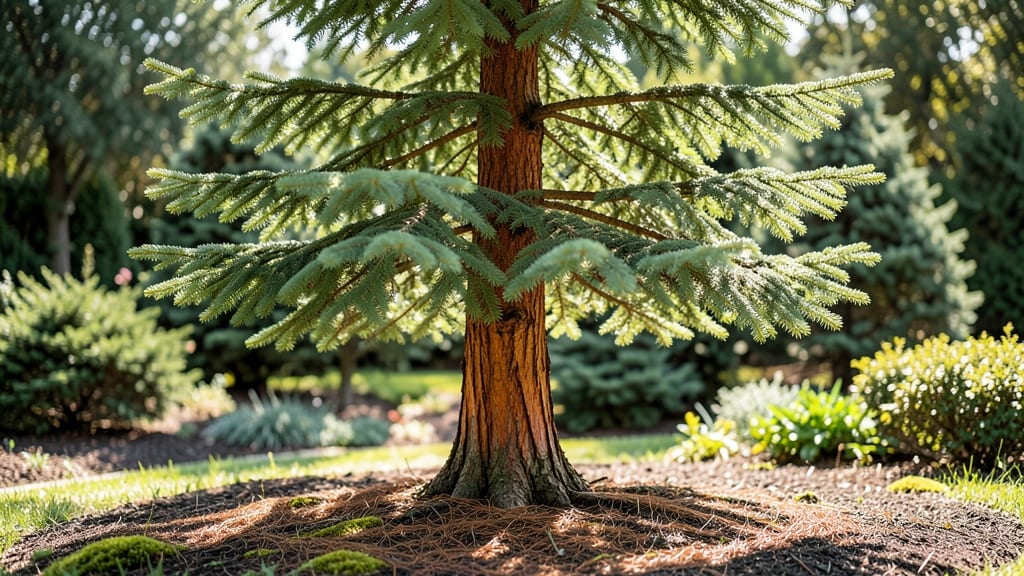
The rarest plants to grow in a garden are species like the Middlemist Red pitcher plant, the critically endangered Franklin Tree, and the Ghost Plant, which boast unique adaptations and near-impossible cultivation requirements. These botanical treasures demand expert-level care and are typically found only through specialized conservatories or elite plant collectors.
The true challenge with these ultra-rare species lies in their delicate ecosystems. 🌿 The Franklin Tree, for example, only flowers once every 12 years, making propagation nearly impossible without controlled conditions. Meanwhile, the Ghost Plant thrives in arid climates with specific mineral compositions—most gardeners can't replicate its native habitat.
Even when you find them, these plants often come with strict conservation tags, requiring documentation to prove they weren't poached from the wild.
What sets these apart isn't just their beauty but their scientific value. Many serve as living links to ancient plant families or hold medicinal properties researchers are only beginning to uncover.
If you're dreaming of growing one, start by connecting with organizations like the Royal Botanic Gardens, Kew, which often facilitates ethical acquisitions for serious enthusiasts.
💡 In This Article
- Why These Rare Plants Are Nearly Impossible to Cultivate
- Where to Source Rare Garden Plants Legally and Ethically
Why these rare plants are nearly impossible to cultivate
The Middlemist Red pitcher plant (Nepenthes × ventrata) is a hybrid that thrives in conditions mimicking its Southeast Asian rainforest origins—60-80% humidity, 70-85°F temperatures, and constant moisture. Its rarity stems from its hybrid nature, which makes natural reproduction unpredictable.
In the wild, these plants grow on limestone cliffs where they trap insects in their pitcher-shaped leaves, a process requiring precise nutrient balance. Replicating this ecosystem in a home garden demands specialized grow lights, fogging systems, and sterile soil mixes to prevent fungal infections.
The Franklin Tree (Franklinia alatamaha) presents an even greater challenge due to its extremely slow growth rate—it can take 10-15 years to reach maturity—and its once-in-a-decade flowering cycle.
This species evolved in the coastal wetlands of Georgia, USA, where it experienced periodic flooding and sandy, nutrient-poor soil. Attempting to grow it elsewhere requires replicating these conditions precisely, including acidic soil (pH 4.5-5.5) and seasonal waterlogging.
Even then, survival rates are low, with fewer than 20 mature specimens known to exist outside its native habitat.
For the Ghost Plant (Graptopetalum paraguayense), the difficulty lies in its specific mineral requirements and drought-adapted physiology. Native to Mexico's limestone-rich regions, it demands well-draining, gritty soil with high calcium content—most garden soils lack this composition.
Its succulent nature means it stores water in thick leaves, but overwatering causes rot within 48 hours. The plant's slow growth (1 inch per year) and sensitivity to temperature fluctuations (ideal range: 60-80°F) make it a high-maintenance specimen, even for experienced growers.
Conservation status adds another layer of complexity. Many rare plants are protected under CITES regulations, requiring permits for international transport. The Franklin Tree, for instance, is listed as critically endangered, meaning its wild population is monitored by conservation agencies.
Poaching further reduces availability—illegal collections from protected areas have driven some species to the brink. Even legal acquisitions often come with restrictions, such as prohibitions on seed collection or propagation.
Genetic bottlenecks also play a role. Many rare plants have tiny, isolated populations, meaning their gene pools are limited. The Middlemist Red, for example, was created through controlled hybridization in the 19th century, and its genetic diversity remains restricted.
This lack of variation makes the species vulnerable to diseases or environmental shifts. Without careful breeding programs, these plants risk losing their unique traits—or disappearing entirely.
What most gardeners don't realize is how interconnected these challenges are. Habitat specificity isn't just about soil or climate; it's about microbiomes—the invisible communities of fungi, bacteria, and insects that support the plant.
The Franklin Tree, for instance, relies on specific mycorrhizal fungi to access nutrients. Without these partnerships, even a perfectly replicated environment can fail. 🌱