
Diseases
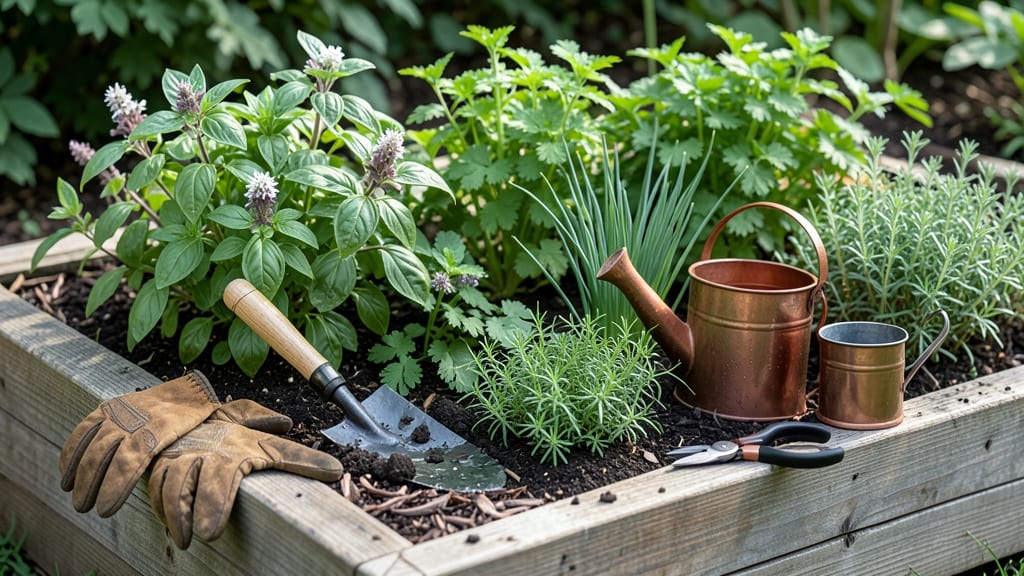
A gardener is someone who cultivates plants, maintains soil health, and creates functional or decorative outdoor spaces to grow flowers, vegetables, or ornamental plants while promoting sustainability and visual appeal. This role combines practical horticulture skills with creative design to nurture plant growth and ecosystem harmony.
A gardener's work goes far beyond just planting seeds—it's about understanding each plant's unique needs and adapting care routines to local climates. 🌱 Whether you're tending a backyard vegetable patch or designing a drought-resistant landscape, the core focus is always on creating thriving environments.
Many gardeners I know start their days checking soil moisture levels or inspecting plants for pests, using tools like pruners, trowels, and compost spreaders to maintain plant health throughout the seasons.
What makes this role so rewarding is the blend of science and artistry. You're constantly problem-solving—whether it's adjusting irrigation systems during heatwaves or choosing companion plants that naturally repel pests.
The satisfaction comes from watching your efforts transform barren soil into vibrant gardens that attract pollinators and provide fresh produce. Plus, there's something deeply therapeutic about working with nature's rhythms.
💡 In This Article
- Core Responsibilities of a Modern Gardener
- Essential Skills Every Gardener Needs to Succeed
Core responsibilities of a modern gardener
A gardener’s daily routine revolves around five key pillars that keep plants thriving. First, soil preparation is foundational—whether it’s testing pH levels (6.0-7.0 for most vegetables) or amending clay soil with compost to improve drainage.
In my experience, healthy soil acts like a sponge, holding moisture and nutrients while allowing roots to breathe. 🌱 Urban gardeners often work with limited space, using raised beds or container gardening to maximize root growth in just 6-12 inches of depth.
Next comes seasonal planting schedules, which vary dramatically by climate zone. For example, in Zone 5, cool-season crops like kale and peas go in early spring (March-April), while tomatoes and peppers wait until after the last frost (mid-May).
Commercial gardeners use heat maps to track microclimates, while home gardeners rely on frost charts and moon planting guides. Irrigation systems—whether drip lines or soaker hoses—require weekly adjustments based on rainfall data, with most plants needing 1-1.5 inches of water per week.
Pest control is another critical task, but modern gardeners prioritize preventive measures over chemicals. Companion planting (like basil with tomatoes) disrupts pests naturally, while beneficial insects such as ladybugs eat aphids on contact.
I’ve seen gardens thrive with just 2-3 applications of neem oil per season, compared to the 10+ sprays older methods required. Even ornamental gardeners monitor for diseases like powdery mildew, which spreads in humid conditions above 75% relative humidity.
The role also includes design and maintenance—whether creating a pollinator-friendly border or pruning roses to encourage bushier growth. Ornamental gardeners often use the "thirds rule" for pruning: cutting back 1/3 of the plant’s height to stimulate new growth.
Commercial operations may focus on crop rotation to prevent soil depletion, while backyard gardeners might experiment with vertical gardening to save space. Every decision balances aesthetics with functionality, like choosing drought-resistant lavender for sunny slopes.
Finally, sustainability practices are non-negotiable. Composting kitchen scraps reduces landfill waste, while rainwater harvesting systems cut water bills by up to 50%. I’ve seen gardeners repurpose everything from egg cartons as seed starters to old tires as planters.
Even small changes—like mulching with straw to retain moisture—can reduce watering needs by 30-40% in hot climates. The goal is always to work with nature, not against it.
What’s fascinating is how these responsibilities adapt to garden types. A vegetable gardener might spend 60% of their time on soil health and irrigation, while an ornamental gardener focuses more on seasonal color rotations.
Commercial growers add layers like crop yield tracking and market trends, but the core principles remain the same: nurture the soil, protect the plants, and design with purpose. 🌿