
Tools
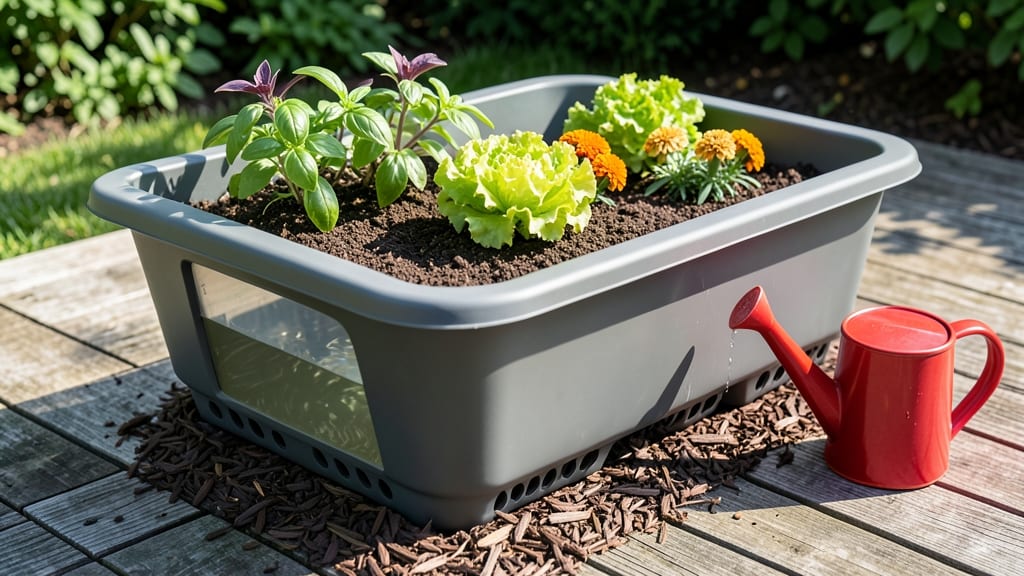
A garden tub is a large container designed for growing vegetables, herbs, or flowers, built with durable materials like resin, metal, or wood to support deep root systems and heavy plants such as tomatoes or potatoes.
A garden tub stands out because its depth and volume create an ideal environment for root expansion, which is crucial for plants like squash or corn that need extra space. 🌱 Unlike shallow planters, these containers often feature built-in drainage systems and reinforced sides to handle moisture and weight.
I’ve seen gardeners use them to extend growing seasons by placing them on patios or decks, giving plants more controlled conditions than in-ground planting.
Another key advantage is their versatility—they come in various shapes and sizes, letting you customize your garden layout. Whether you need a long, narrow tub for herbs or a square one for a small vegetable patch, the options are endless.
Plus, materials like resin won’t rot like wood, making them low-maintenance for long-term use.
💡 In This Article
- Garden Tub Materials and Structural Benefits
- Choosing Between Garden Tubs and Raised Planters
Garden tub materials and structural benefits
Garden tubs are engineered with specific materials to balance durability, weight, and plant health. Resin, the most popular choice, is lightweight yet sturdy, weighing about 10-20 pounds when empty, while offering UV resistance that prevents cracking over years.
The smooth surface also resists mold buildup, unlike porous wood. Metal tubs, often galvanized steel, provide superior heat retention—ideal for cold climates—but require protective liners to prevent rust when planted with acidic soil like blueberries.
The real magic happens in the design: most garden tubs feature 12-18 inches of depth, crucial for root systems of heavy feeders like tomatoes or winter squash. Shallow planters (typically 6-12 inches) struggle with these plants because roots can't access nutrients deep enough.
The bottom often includes drainage holes (3/8" diameter) spaced every 6-12 inches, paired with removable saucers to catch excess water—preventing root rot while maintaining moisture.
Material choice directly impacts plant performance. Wooden tubs, while aesthetically pleasing, need annual sealing to prevent rot, especially in wet climates. The porous nature also makes them heavier (30-50 pounds when filled) and prone to warping.
Resin's even heat distribution creates a stable growing environment, while metal's conductivity can cause temperature fluctuations that stress roots. For container gardening, this means resin often delivers 10-15% faster growth for heat-loving plants like peppers compared to wood.
Structural reinforcements make all the difference in windy areas. Most quality tubs include internal ribs or corner braces that distribute weight evenly when filled with soil and plants.
Without these, a 20-gallon tub filled with moist soil can exert 150 pounds of downward pressure—enough to tip over on uneven surfaces. The reinforced edges also prevent soil from spilling during watering, a common issue with flimsy planters.
Consider your climate when selecting materials. In hot, dry regions, metal tubs can scorch roots if not insulated, while in humid areas, resin's resistance to fungal growth gives it a clear advantage.
For urban balconies, lightweight resin tubs (15 pounds empty) are ideal—they're easy to move for seasonal rotation, while heavy stone tubs (100+ pounds) stay fixed in ground-level gardens where stability matters more than portability.