
Tools
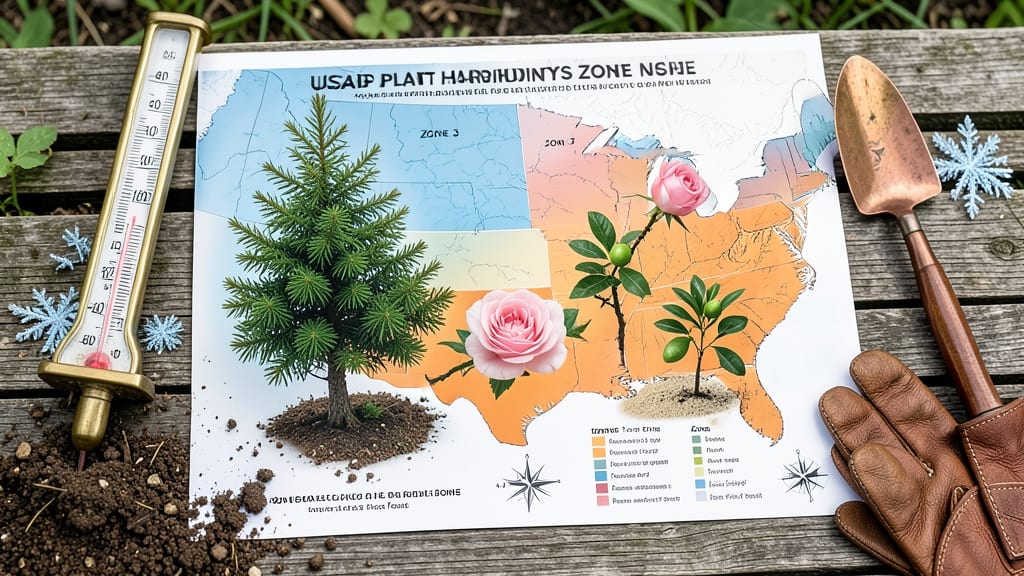
To find your gardening zones by zip code, locate your USDA Plant Hardiness Zone, which dictates frost dates, planting windows, and suitable crops for your area—essential for thriving plants. Use the USDA Interactive Map or ZIP-based tools for accurate results.
Your USDA Plant Hardiness Zone is like your garden's climate fingerprint—it tells you which plants will survive your winters and thrive in your summers. 🌱 For example, Zone 5 can handle temperatures as low as -20°F, while Zone 9 rarely drops below 20°F. This system helps you avoid costly mistakes, like planting tender annuals too early or freezing-sensitive perennials in cold climates.
Many gardeners also adjust for local microclimates, like sunny south-facing walls that add warmth or shaded spots that stay cooler.
Beyond frost dates, knowing your zone helps with planting timelines. Cool-season crops like spinach or peas need to go in before warm weather arrives, while tomatoes and peppers prefer warmer soil.
Some tools even show your last frost date and first frost date, giving you a clear countdown to start seeds indoors or direct-sow outdoors. I always double-check my zone with local weather records—sometimes elevation or urban heat can shift your effective zone by a full number!
💡 In This Article
- How USDA Plant Hardiness Zones Determine Your Gardening Success
- Step-by-Step Guide to Locate Your Zone by ZIP Code
How USDA plant hardiness zones determine your gardening success
Your USDA Plant Hardiness Zone isn't just a number—it's a precise temperature range that defines your garden's climate boundaries. These zones are calculated based on the average annual minimum winter temperatures, measured over a 30-year period.
For example, Zone 6 endures -10°F to 0°F, while Zone 10 stays above 30°F. This matters because plants have specific cold tolerance limits; a Zone 5 tomato plant will freeze in Zone 8 winters, while a Zone 9 citrus tree would perish in Zone 4's harsh winters. 🌡️
The zone system also reveals your frost-free growing season length, which dictates when to plant warm-season crops like peppers or eggplants. In Zone 5, you might have 120-140 frost-free days, while Zone 9 can stretch to 240+ days.
This explains why Southern gardeners can grow tropical plants like banana trees, while Northern gardeners stick to hardy perennials like coneflowers. The USDA map even accounts for microclimates—areas where local conditions (like a south-facing wall or lake effect) create 1-2°F warmer or cooler pockets than the official zone suggests.
Understanding these zones prevents common gardening mistakes. I once planted tender basil too early in Zone 6, only to lose it to a late spring frost. Checking the zone map would've shown me to wait until after the last average frost date (typically May 15 in my area).
Similarly, Zone 7 gardeners can grow olive trees that would fail in Zone 6's colder winters. The system also helps with perennial selection—like choosing Zone 5-tolerant lavender instead of Mediterranean varieties that need Zone 8+ warmth.
What most people overlook is how zones interact with planting windows. Cool-season crops (spinach, lettuce) thrive when soil temps are 45-75°F, while warm-season crops (tomatoes, cucumbers) need 60°F+.
Zone 4 gardeners might start seeds indoors in March for a May transplant, while Zone 9 gardeners can direct-sow in February. The USDA map provides these critical timelines based on your zone's frost patterns, ensuring you don't waste seeds or miss growing opportunities.
For urban gardeners, zones get even more nuanced. A concrete jungle can be 5°F warmer than rural areas due to the urban heat island effect, potentially shifting your effective zone by a full number. Similarly, mountain gardeners in Zone 6 might experience Zone 4 conditions at higher elevations.
That's why I always cross-reference the USDA map with local cooperative extension service data—they often provide hyper-local adjustments that the national map doesn't capture.
Here's how to think about it practically: Your zone determines what will survive, while your last frost date tells you when to act. For example, in Zone 7 (average last frost: March 15), you'd plant frost-tolerant peas 2 weeks before and heat-loving tomatoes 2 weeks after.
This timing ensures roots establish before cold snaps or soil warms enough for germination. 🌱 The zone system essentially translates climate data into actionable gardening instructions.
The science behind zones involves biological thresholds. Plants have critical temperature limits where cell damage occurs—typically -5°F to 10°F for most perennials. The USDA system uses 30-year averages because weather patterns vary yearly (like the 2021 Texas freeze that pushed Zone 8 plants into survival mode).
That's why gardeners in transition zones (like Zone 7b vs. 7a) often experiment with season extenders like row covers or cold frames to push boundaries safely.