
Size
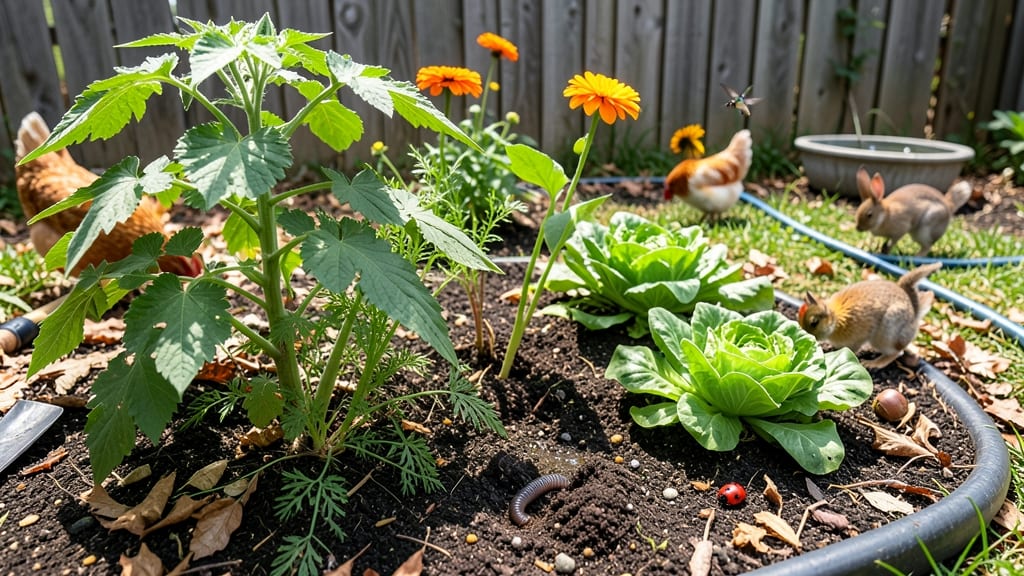
When growing a garden, animals like bees pollinate flowers, earthworms aerate soil, ladybugs control pests, birds spread seeds, and rabbits may eat plants—each contributing differently to plant health and ecosystem harmony. Their impact depends on their behavior and how well the garden supports them.
Every creature in your garden plays a unique role that either boosts or challenges your plants' growth. 🐝 Bees and butterflies transfer pollen between flowers, while earthworms create nutrient-rich tunnels that improve drainage and root health. Meanwhile, ladybugs and spiders act as natural pest controllers, keeping harmful insects in check.
On the other hand, animals like rabbits or deer can become problematic if their populations grow unchecked, nibbling on young shoots and tender leaves. The key lies in understanding these relationships to create a thriving, balanced environment where beneficial species flourish while potential threats are minimized.
To make the most of these natural helpers, consider adding pollinator-friendly plants like lavender or sunflowers, installing birdhouses for seed-dispersing birds, or creating small water sources to attract insects. These simple steps can transform your garden into a self-sustaining ecosystem where every animal contributes positively to your plants' success.
The right balance ensures your garden not only grows but thrives with minimal intervention from you.
💡 In This Article
- How Different Garden Animals Benefit or Harm Plant Growth
- Creating a Balanced Garden Ecosystem to Support Helpful Animals
How different garden animals benefit or harm plant growth
Bees and butterflies are the garden's unsung heroes of pollination. As they collect nectar, their fuzzy bodies pick up pollen from flower stamens and transfer it to pistils of other flowers—a process called cross-pollination.
A single honeybee can visit 50-100 flowers per minute during its foraging trips, creating a network that boosts fruit and seed production.
Without them, many plants like tomatoes or squash would produce far fewer viable fruits. 🌸 The key here is their efficiency: bees have specialized mouthparts for extracting nectar while brushing against pollen, making them far more effective than wind pollination.
Earthworms work underground to create what scientists call "bioturbation"—a process where their burrowing mixes soil layers, incorporating organic matter and aerating the roots. Their castings (worm poop) contain 5 times more nitrogen, phosphorus, and potassium than regular soil, acting like natural fertilizer.
A single worm can process ½ pound of soil daily, creating tunnels that improve water drainage and root penetration. However, their benefits disappear if the soil becomes too dry or compacted, which is why mulching helps maintain ideal moisture levels for these underground engineers.
Ladybugs and spiders serve as the garden's pest control squad, targeting aphids, mites, and caterpillars that would otherwise devastate plants. A single ladybug can consume 5,000 aphids in its lifetime, while spiders catch flying insects like mosquitoes and whiteflies in their webs.
The challenge arises when chemical pesticides are used—they often kill these beneficial predators along with the pests, creating ecological imbalances. 🕷️ The solution lies in integrated pest management, where natural predators are encouraged through habitat diversity rather than relying on broad-spectrum insecticides.
Birds play dual roles: some species disperse seeds through their droppings, while others like robins help control slug and snail populations by eating them. However, seed-eating birds such as sparrows can damage crops if their populations grow too large.
The balance depends on the garden's design—planting native species that produce seeds birds prefer can create a controlled food source, preventing them from turning to your vegetables. For example, sunflower seeds attract goldfinches, which are less likely to peck at tomato plants than house sparrows.
Rabbits and deer represent the most common garden threats, as their herbivorous diets focus on tender young shoots and leaves. A single rabbit can consume ½ pound of vegetation daily, while deer can strip an entire garden bare in a single night.
The damage isn't just aesthetic—it weakens plants, making them more susceptible to disease. Fencing is the most effective solution, but even 8-foot-high fences may not deter determined deer.
Alternative methods like planting deer-resistant species (like lavender or marigolds) or using repellent sprays can create a more harmonious balance between these animals and your garden's health.
Understanding these mechanisms helps gardeners make informed decisions. For instance, planting native wildflowers in borders attracts pollinators while providing a buffer against crop damage. Similarly, leaving some leaf litter in corners creates shelter for beneficial insects, which in turn helps control pests naturally.
The goal isn't to eliminate all animals but to create an environment where beneficial species thrive while minimizing the impact of those that cause harm. 🌿