
How To
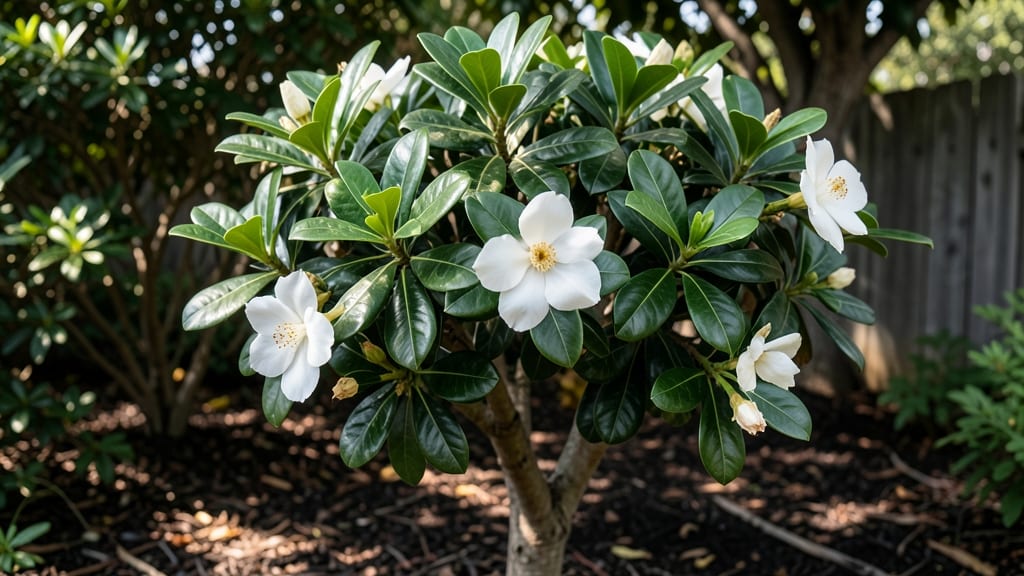
A gardenia tree grows to 6 to 15 feet tall at maturity, depending on the variety and growing conditions—some stay small enough for containers while others become towering shrubs 🌸.
If you're dreaming of fragrant blooms but wondering whether a gardenia tree will fit your yard or patio, understanding its mature height is key. Some varieties soar over 20 feet while others stay compact enough for containers, making them versatile for different spaces.
Height isn’t just about the variety—soil, pruning, and climate all play a role. Acidic, well-draining soil keeps roots happy, while strategic pruning can control growth and encourage bushier blooms. In warmer climates, gardenias may grow taller, while cooler zones like USDA Zone 6a might see slower, more controlled growth.
Whether you’re planning a fragrant hedge, a container garden, or a statement plant, this guide will help you pick the right gardenia for your space and learn how to manage its height for years of beautiful blooms.


Gardenia tree height by variety: from dwarf to towering giants
Choosing a gardenia tree often comes down to space—whether you have a cozy patio or a sprawling backyard. The Gardenia jasminoides, the most common type, can range from a compact 3-foot shrub to a 20-foot-tall specimen, depending on the variety.
Understanding these differences helps you pick the perfect fit for your landscape or container garden.
Some gardenias thrive as dwarf varieties under 5 feet, ideal for balconies or small pots, while others grow into towering trees perfect for privacy screens. The key factors influencing height include pruning habits, soil acidity, and sunlight exposure.
Let’s explore the most popular varieties and their mature sizes to help you make an informed choice.
If you’re working with limited space, varieties like Radicans or August Beauty are perfect for containers or small gardens. Their 3–5-foot height makes them ideal for patios or balconies, especially when paired with regular pruning to maintain shape.
These dwarf types also thrive in partial shade, making them adaptable to urban settings.
For those with larger yards or privacy needs, taller varieties like Elliotte or Mystery can reach 15–20 feet, creating a fragrant privacy screen
How to control gardenia tree height: pruning and growth tips
Managing the height of your gardenia tree starts with understanding its natural growth patterns. Most varieties grow 6–15 feet tall if left unpruned, but with strategic pruning, you can shape them into compact shrubs or even keep them container-friendly.
The key is timing—prune after flowering to avoid cutting off next year’s blooms, and focus on selective trimming rather than harsh cuts.
For bushier growth, prune the outer branches to encourage new shoots from the center. Use clean, sharp pruning shears to make cuts just above a leaf node or bud. Avoid cutting into old wood, as gardenias struggle to regrow from mature branches.
If your tree is already too tall, gradual reduction over 2–3 years prevents shock and promotes healthier regrowth.
⚠️ callout-warning
Never prune more than 1/3 of the gardenia’s height in a single session. Over-pruning stresses the plant, weakens its structure, and can reduce flowering. Dwarf varieties (3–5 ft) need minimal pruning, while standard types (10–15 ft) benefit from annual shaping to maintain balance.
Also, avoid pruning in late fall or winter—this encourages tender new growth that won’t survive frost. Wait until early spring or right after blooming for best results.
Seasonal care plays a huge role in height management. In spring, fertilize with an acid-loving plant food (like 8-4-8 NPK) to fuel growth, but reduce nitrogen in summer to prevent excessive leafy growth over flowers.
Mulch around the base with organic matter (like pine bark) to retain moisture and protect roots, which indirectly supports controlled height.
Transplanting young gardenias is another way to manage height. If you spot a 3–4 foot sapling in a nursery, consider planting it in a large container (15+ gallons) to restrict root growth naturally.
Use well-draining, acidic soil (pH 5.0–6.5) and prune roots slightly during transplanting to encourage a compact root ball that stays manageable.
Common mistakes that distort growth include pruning at the wrong time (like mid-summer) or using dull tools that tear branches. Also, avoid top-heavy pruning, which can cause the tree to lean or fall.
Instead, trim branches evenly from all sides to maintain a balanced canopy. If your gardenia starts growing lopsided, it’s often a sign of uneven sunlight exposure.
For container gardenias, prune regularly to prevent roots from circling, which stunts growth. Repot every 2–3 years into a slightly larger container (just 2–3 inches wider) to avoid shocking the plant. Pair this with annual pruning to keep heights under 5 feet, perfect for patios or balconies.