
Watering
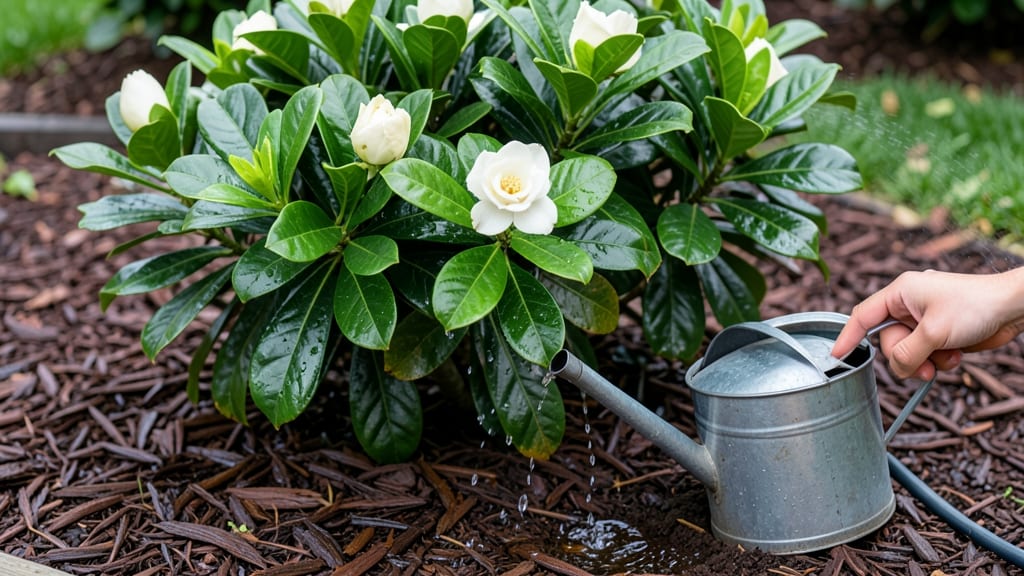
Watering a gardenia plant the right way is the key to those glossy, fragrant blooms you’ve been dreaming of 🌸 — and getting it wrong can mean drooping leaves or no flowers at all.
Picture this: You’ve nurtured your gardenia for months, only for it to suddenly shed buds or develop crispy edges. The culprit? Too much or too little water, both of which throw off its delicate balance.
Gardenia plants crave consistent moisture but hate soggy roots, which means deep, infrequent watering beats light sprinkles every day. The trick is knowing when to water, how much, and how to adjust as seasons change.
In this guide, I’ll break down the exact watering schedule for your gardenia’s USDA Zone 6a climate, the signs of over- or under-watering, and how to keep those blooms thriving all season long.
Understanding gardenia watering needs: the perfect balance for healthy growth
Gardenia plants thrive when their watering needs are met with precision. Native to tropical and subtropical regions, gardenias crave consistent moisture but despise soggy roots. Their semi-tropical roots are sensitive to both drought and waterlogging, making balance the key to lush, fragrant blooms.
The ideal soil moisture level for gardenias sits between dampness and saturation—think of a wrung-out sponge. Overwatering suffocates roots, while underwatering causes buds to drop and leaves to yellow. Understanding this natural moisture spectrum prevents common issues like bud drop or leaf scorch.
Seasonal adjustments are critical. In spring and summer, gardenias demand more frequent watering due to higher evaporation rates and active growth. During fall and winter, their needs taper off as growth slows, but complete drought must still be avoided.
Humidity preferences play a role too. Gardenias adore 60-70% humidity, mimicking their native environments. In dry climates, supplement with a pebble tray or humidifier to keep foliage glossy and blooms abundant.
Here’s how to nail the perfect balance with a seasonal watering guide:
Gardenias also respond to root zone temperature. Cooler roots (ideal between 65-75°F) absorb moisture more efficiently. Mulching with organic matter like pine bark helps regulate soil temperature and retain moisture, reducing your watering workload by up to 30%.
Watch for early warning signs of watering stress. Drooping leaves signal thirst, while yellowing leaves often indicate overwatering or poor drainage. Buds that form but never open? This classic bud drop is usually a cry for better humidity or consistent moisture.
To maintain healthy blooms, pair proper watering with acidic soil (pH 5.0-6.5). Gardenias are heavy feeders, so a balanced 10-10-10 fertilizer applied every 4-6 weeks during growing months supports their moisture-loving habits.
Remember, gardenias are not drought-tolerant. Even a single day of wilting can cause permanent damage. By matching your watering routine to their natural moisture rhythm, you’ll reward yourself with glossy leaves and abundant, fragrant blooms all season long.
Step-by-step watering guide: when, how much, and what to avoid
Mastering the art of watering your gardenia plant is the key to those glossy leaves and fragrant blooms you adore. Unlike drought-tolerant succulents, gardenias crave consistent moisture but despise soggy roots. The trick? Mimic their natural tropical habitat with deep, infrequent watering rather than shallow daily sprinkles.
Start by checking the top 1-2 inches of soil—if it feels dry to the touch, it's time to water. Gardenias in containers dry out faster than those in the ground, so adjust your schedule accordingly.
Seasonal shifts matter too: summer demands daily attention while winter slows watering to bi-weekly intervals.
🚨 Warning: The #1 Watering Mistake
Overwatering is the silent killer of gardenias. Unlike many plants, they cannot tolerate soggy soil, which leads to root rot and leaf drop. Here's how to spot the danger:
- 🌱 Yellowing leaves (especially lower ones)
- 💧 Mushy stems when gently pressed
- 🌬️ Foul odor from the soil
Fix it: Let the soil dry completely between waterings and ensure pots have drainage holes.
For deep watering, use a slow-release method: water until you see moisture emerge from the drainage holes (for potted plants) or until the soil 6 inches deep is damp.
This encourages roots to grow downward, making your gardenia more stable and resilient. Avoid surface moisture—a quick sprinkle only wets the top layer, leaving roots thirsty.
Timing matters just as much as technique. Always water in the early morning (between 6-9 AM) to allow foliage to dry before evening. This prevents fungal diseases like powdery mildew, which thrive in damp conditions.
If you must water in the evening, do so at least 3 hours before sunset to give leaves time to dry.
Watch for warning signs of watering issues: Drooping leaves signal underwatering, while brown leaf tips often mean overwatering or low humidity. Increase humidity by grouping plants together or using a pebble tray with water. For outdoor gardenias, mulch around the base to retain moisture and regulate soil temperature.
Adjust your watering routine with the seasons: Summer calls for daily checks (water every 1-2 days), while winter slows to bi-weekly as growth pauses. In fall, reduce to weekly watering as temperatures drop.
Remember, gardenias are sensitive to salt buildup—always use room-temperature rainwater or filtered water to avoid chemical damage.
With this step-by-step approach, your gardenia will reward you with vibrant blooms and satiny foliage all season long. The key is consistency—stick to the schedule, and your fragrant beauty will thrive! 🌸