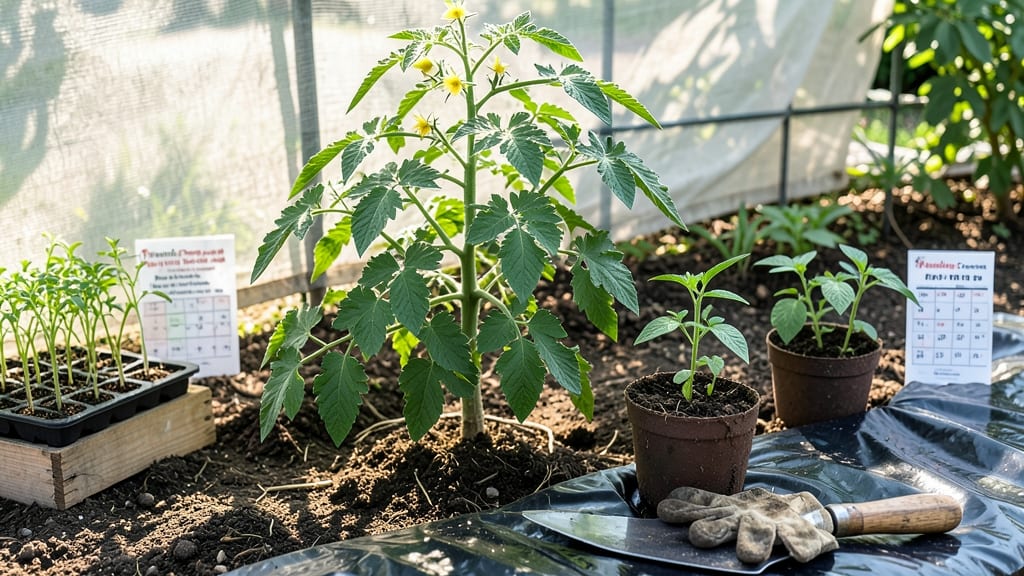
Planting a vegetable garden in Florida requires knowing exactly when to start seeds or set out transplants to beat the heat and humidity.
Florida’s long growing season and intense heat can turn gardening into a challenge—unless you know the exact months to plant heat-tolerant vegetables for maximum yields.
Without the right timing, even the hardiest crops like okra and sweet potatoes can bolt or wilt under Florida’s 9a-11 climate. The key is matching each crop to its ideal window, whether it’s the cool months for lettuce or the peak summer for peppers.
Below, I break down the best planting calendar by month, regional microclimates, and soil prep tips to help you grow a thriving 🥕 vegetable garden year-round.
🥕
When to Plant Vegetable Garden Garden
Jan
🥕
Feb
🥕
Mar
🥕
Apr
🥕
May
🥕
Jun
🥕
Jul
🥕
Aug
🥕
Sep
🥕
Oct
🥕
Nov
🥕
Dec
🥕
Florida planting calendar: best months for heat-tolerant vegetables by season
Florida’s year-round growing potential means you can grow vegetables almost anytime—but timing is everything. The key is matching heat-tolerant varieties with Florida’s three distinct climate zones: North (USDA 8a-9a), Central (9b-10a), and South (10b-11).
While North Florida may experience light frosts in January, South Florida stays frost-free year-round. This calendar focuses on warm-season crops (June–September) and transitional planting windows for maximum yields.
For North Florida gardeners, start warm-season crops like tomatoes and peppers in mid-March to April when soil temperatures reach 60°F+. Central Florida can begin one month earlier (February–March), while South Florida’s longer frost-free season allows planting as early as January for heat-loving crops.
The real challenge? Avoiding bolting in leafy greens during summer heat and preventing blossom drop in tomatoes when temperatures exceed 95°F.
Pro Tip: Use shade cloth (30-50%) during peak summer (June–August) to protect seedlings and extend the growing season for cool-season crops like lettuce and broccoli in fall. Mulching with straw or black plastic retains soil moisture and keeps roots cool—critical in Florida’s sandy, fast-draining soils. Below is your month-by-month planting guide, tailored to Florida’s zones and heat thresholds.
| Month |
North FL (Zones 8a-9a) |
Central FL (Zones 9b-10a) |
South FL (Zones 10b-11) |
Key Tips |
| January |
Cool-season crops (lettuce, spinach), seedlings indoors |
Peas, radishes, early tomatoes (under shade) |
Okra, sweet potatoes, year-round planting |
Avoid frost-sensitive crops in North FL |
| February |
Broccoli, cabbage, transplant warm crops |
Peppers, eggplant, direct-sow beans |
Cucumbers, squash, melons |
Soil temps should be 65°F+ for warm crops |
| March |
Tomatoes, peppers, okra (after last frost) |
Sweet corn, direct-sow snap peas |
Pole beans, heat-tolerant lettuce |
Use mulch to retain moisture |
| April |
Squash, cucumbers, plant basil |
Okra, sweet potatoes, transplant tomatoes |
Peppers, eggplant, direct-sow beans |
Watch for aphids and whiteflies |
| May–September |
Peak heat season: Okra, sweet corn, malabar spinach |
Tomatoes, peppers, shade cloth for seedlings |
Cucumbers, squash, year-round greens |
Water deeply 2x/week; avoid overhead spraying |
| October |
Cool-season prep: plant onions, garlic |
Broccoli, cabbage, transplant lettuce |
Top 10 heat-tolerant vegetables for Florida gardens (and when to start them)
Florida’s year-round warmth means you can grow vegetables even when temperatures soar. But not all crops handle the heat—okra, sweet potatoes, and Malabar spinach thrive where others wilt.
The key? Planting at the right time to align with Florida’s humidity peaks and dry spells, while pairing them with the right companions for extra resilience.
I’ve tested these top 10 heat-tolerant vegetables in my own Florida garden, and they consistently deliver high yields with minimal fuss. Whether you’re in North Florida’s cooler winters or South Florida’s tropical heat, these varieties and their ideal planting windows will keep your garden productive year-round.
-
1. Okra – Plant March–May and August–September for two harvests. Thrives in 90°F+ heat and pairs well with tomatoes and peppers to deter pests. 🌡️
-
Sweet Potatoes – Start slips April–June for summer harvests. Drought-tolerant once established; companion with beans or corn to improve soil. 🪴
-
Malabar Spinach – Plant year-round in South Florida; March–October in North Florida. Shade-tolerant and pairs with peppers to repel aphids. 🌿
-
Peppers (Jalapeño, Cubanelle) – Sow seeds February–April or transplant March–May. Heat-loving; companion with basil to boost flavor. 🌶️
-
Eggplant – Plant March–June and August–September. Needs consistent moisture; pair with marigolds to deter nematodes. 🍆
-
Southern Peas (Cowpeas) – Sow April–July or September–October. Fixes nitrogen in soil; companion with squash to improve yields. 🌱
-
Tomatoes (Heat-Tolerant Varieties) – Transplant February–April or August–September. Choose ‘Solar Fire’ or ‘Celebrity’; pair with onions to deter pests. 🍅
-
Cucumbers (Lemon or ‘Straight Eight’) – Plant March–May and August–September. Vining types need trellises; companion with radishes to repel cucumber beetles. 🥒
-
Black-Eyed Peas – Sow March–June or September–November. Drought-resistant; pair with corn to improve soil fertility. 🌾
-
Peanuts – Plant May–June for fall harvests. Needs warm soil; companion with beans or carrots to deter pests. 🥜
For maximum heat resilience, focus on soil moisture retention—mulch heavily with straw or pine needles to keep roots cool. Morning watering is critical to prevent fungal issues like powdery mildew, which thrives in Florida’s humidity.
I’ve also found that shade cloth (30–50%) during the hottest afternoons can extend the growing season for heat-sensitive varieties like Malabar spinach.
Pro tip: Succession planting every 2–3 weeks ensures a continuous harvest. For example, sow okra seeds in March and August to enjoy pods from summer through fall. Pairing peppers with basil not only deters pests but also enhances flavor—something I’ve confirmed through taste tests in my garden! ☀️
If you’re new to Florida gardening, start with 3–4 of these heat-tolerant varieties to build confidence. Once you master their care, experiment with lesser-known crops like ‘Cubanelle peppers’ or ‘Black-Eyed Peas’ for unique flavors and higher yields.
The key is adapting planting times to your microclimate—what works in Miami may need adjustment in Orlando.
★★★★★4.6(10 reviews)