
Vegetables
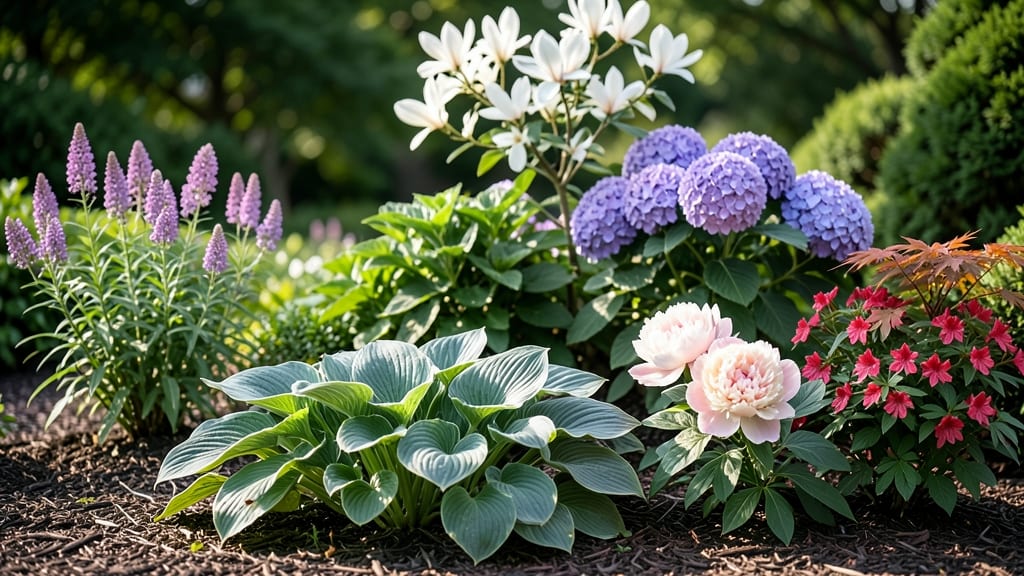
Toronto Botanical Gardens are a must-visit for their iconic themed gardens, including the serene Japanese Garden with its koi ponds and the whimsical Children's Garden designed for interactive play. The gardens also showcase rare plant collections, educational horticulture programs, and ever-changing seasonal displays that highlight conservation efforts.
Themed gardens like the Japanese Garden transport visitors to another world with its meticulously designed landscapes and tranquil koi ponds, while the Children's Garden offers hands-on learning through play-based exploration. 🌿 Beyond these highlights, the gardens feature specialized collections like the orchid conservatory and seasonal blooms that change with each visit, ensuring there's always something new to discover.
Whether you're a plant enthusiast or just looking for a peaceful retreat, these gardens provide both beauty and educational value in every corner.
What sets Toronto Botanical Gardens apart is their commitment to blending education with enjoyment. The horticultural programs cater to all ages, from workshops for kids to advanced gardening courses for adults. Plus, the conservation exhibits showcase how these gardens actively contribute to plant preservation and ecological awareness.
It's not just a visit—it's an immersive experience that connects visitors with nature in meaningful ways.
💡 In This Article
- Signature Gardens and Plant Collections at Toronto Botanical Gardens
- Visitor Tips for Maximizing Your Toronto Botanical Gardens Experience
Signature gardens and plant collections at Toronto botanical gardens
The Japanese Garden stands as the crown jewel of Toronto Botanical Gardens, designed to embody the principles of wabi-sabi—a Japanese aesthetic that finds beauty in imperfection and transience. 🌸 This 2.5-acre garden features a 10,000-gallon koi pond stocked with over 100 koi fish, each with unique color patterns and sizes ranging from 6 inches to 3 feet long.
The garden's stone pathways, carefully placed boulders, and meticulously pruned maples create a serene atmosphere that mimics traditional Japanese landscape design, while also supporting local biodiversity through native plantings.
The Children's Garden offers an entirely different experience, blending education with play through its 12 interactive zones designed for kids aged 2-12. One standout feature is the sensory garden, where children can explore plants with varying textures—from fuzzy lamb's ear to spiky holly—while learning about plant adaptations.
The garden's rain garden demonstrates water filtration in action, using native plants like Joe Pye weed and swamp milkweed to clean runoff naturally. This hands-on approach makes complex ecological concepts tangible for young visitors.
For plant enthusiasts, the Orchid Conservatory is a must-visit, housing over 1,500 orchids from 120 different species. The controlled environment maintains 60-80% humidity and temperatures between 70-80°F, creating ideal conditions for these delicate plants.
Visitors can observe rare hybrids like the Cymbidium 'Red Alert', which produces vibrant red blooms, or the Phalaenopsis 'Moth Orchid', known for its long-lasting flowers. The conservatory also serves as a living laboratory for conservation efforts, with some species at risk of extinction in the wild.
Seasonal displays transform the gardens throughout the year, with each season offering unique visual experiences. Spring brings 20,000 tulips in vibrant hues, while summer features the Night Garden, where over 1,000 plants glow under ultraviolet light, creating a magical evening experience.
Autumn showcases crisp foliage displays with trees like the Japanese maple turning fiery shades of red and orange. These rotating exhibits ensure repeat visitors always discover something new, while also supporting the gardens' educational mission about plant life cycles and seasonal changes.
The gardens' plant collections extend beyond aesthetics to active conservation work. The Rare Plant Program focuses on preserving endangered species like the Eastern prairie fringed orchid, which has seen its population decline by 90% over the past century.
Through controlled propagation and habitat restoration, the gardens help maintain genetic diversity for these threatened plants. This hands-on conservation approach connects visitors to real-world ecological challenges and solutions.
What makes these collections truly special is their integration with Toronto's urban environment. The gardens serve as a carbon-sequestering green space, absorbing over 100 tons of CO₂ annually while providing habitat for 150 bird species and 200 insect species.
This dual role as both recreational space and ecological refuge demonstrates how urban green spaces can address both environmental and community needs simultaneously.