
Watering
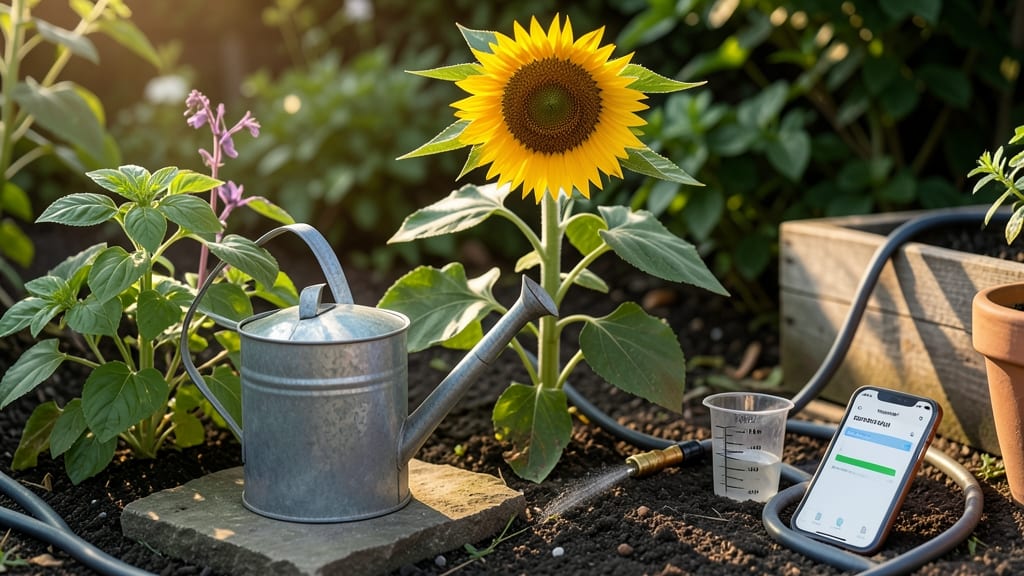
You need to water your garden based on soil type, season, and plant needs—not just when you remember.
Overwatering or underwatering your garden can mean the difference between lush, thriving plants and wilted disappointment. Yet most gardeners guess rather than follow science-backed watering schedules. The truth? Your soil type dictates the perfect watering frequency, and ignoring it wastes time, water, and even kills plants.
In this guide, I’ll break down how often General Garden Plants 🌱 truly need water—whether you’ve got sandy soil that drains fast or clay that holds moisture for days.
You’ll learn the signs of over- or under-watering and how to adjust your routine for perfect plant health, no matter the season.
Ready to stop guessing? By the end, you’ll have a customized watering plan that saves effort, cuts waste, and keeps your garden flourishing year-round.
Watering frequency by soil type: the science-backed schedule for healthy plants
Your garden's soil type is the single most important factor in determining how often you need to water. Sandy soil drains like a sieve, while clay holds moisture like a sponge—understanding these differences prevents both root rot and plant dehydration.
Most gardeners overwater because they assume all soil behaves the same, but science shows loamy soil (the gold standard) retains moisture perfectly for 3-5 days between waterings, while sandy soil may need daily attention in summer.
Let's break down the watering science behind each soil type. I'll show you how to test your soil's drainage, adjust your schedule, and spot hidden signs of stress that reveal your current routine is wrong.
For example, clay soil often looks dry on top but stays soggy below—leading to root suffocation if you water on a strict timer. The key? Moisture meters and the "squeeze test" (we'll cover these later).
Why this matters: Plants in sandy soil can wilt in 24 hours without water, while those in clay soil may develop fungal diseases from overwatering. Your local climate also shifts these timelines—humid areas need 20% less water than dry regions. We'll include adjustments for both scenarios.
Your sandy soil garden likely needs watering twice daily in peak summer if you're not using mulch. The issue? Water zips through like a sieve, leaving roots parched. I recommend drip irrigation with emitters placed at the base of plants—this delivers water slowly where roots need it most.
For loamy soil (the gold standard for most gardens), a deep watering every 3-5 days mimics natural rainfall patterns perfectly. Use a soil probe to check moisture at 2-3 inches deep—if it's dry, water again.
Clay soil is the trickiest because it looks dry on top but stays waterlogged below. Many gardeners overcompensate by watering less frequently, but this leads to stunted growth from poor oxygen flow.
Instead, water lightly every 7-10 days and focus on amending the soil with organic compost or gypsum to improve drainage. For silt soil, which sits between sandy and clay, aim for evening waterings to reduce evaporation—this mimics natural dew cycles and prevents soil erosion.
Here's how to test your soil's drainage in 3 minutes: Dig a 6-inch hole, fill it with water, then time how long it takes to drain. If it disappears in under 1 hour, you've got sandy soil.
If it's still damp after 6+ hours, you're dealing with clay. Loamy soil drains in 3-5 hours. This simple test reveals why your tomatoes might be wilting (sandy) or your roses developing black spots (clay).
Seasonal shifts matter too. In spring and fall, reduce watering by 30-50% compared to summer—plants need less when temperatures drop. I adjust my drip system timers monthly to match the season
Signs your garden needs water (or too much water): visual cues to adjust frequency
Your garden silently communicates its water needs through leaf color, stem firmness, and soil texture. Ignoring these visual cues often leads to either thirsty roots or drowning plants. For example, tomatoes with crisp, upright leaves are happy, while drooping leaves signal underwatering.
Meanwhile, mushy stems on your pepper plants scream overwatering. The key? Learning to read these signs before damage becomes permanent.
Start by checking the soil moisture 1-2 inches below the surface. Stick your finger in—if it feels dry and crumbly, your plants need water.
But if it’s soggy or smells foul, you’re overdoing it. Succulents like aloe vera thrive on dry soil, while hostas prefer consistently moist but not waterlogged conditions. Misjudging these needs is the fastest way to kill your garden.
Watering Frequency Guide: Fixing Common Mistakes
- Water deeply 1-2x/week
- Check soil moisture before watering
- Water in early morning (6-9 AM)
- Use drip irrigation for consistency
- Mulch to retain moisture
- Water shallowly daily (encourages weak roots)
- Ignore wilting leaves until it’s too late
- Water at night (promotes fungal growth)
- Use sprinklers on broadleaf plants
- Water when soil is already soggy
Yellowing leaves often signal overwatering, especially if they’re soft and mushy. This is common with houseplants like ficus or monstera, where root rot sets in within days. On the flip side, crispy brown edges on herbs like basil or cilantro mean they’re thirsty.
Pay attention to the underside of leaves too—white fungal spots are a red flag for excess moisture.
Don’t overlook root health when diagnosing. Gently pull a plant—if roots are dark and slimy, you’ve overwatered. Healthy roots should be white or tan.
For vegetable gardens, carrots and radishes growing too fast with pale, rubbery textures often mean overwatering, while stunted growth with hard, dry soil around them means underwatering.
Create a weekly watering checklist to catch mistakes early: ☑️ Check leaf turgor (press a leaf—does it spring back?) ☑️ Inspect soil surface (dry crust = thirsty plants) ☑️ Look for pests (aphids thrive in overwatered plants) ☑️ Monitor growth rate (slow = underwatered; leggy = overwatered) Adjust your schedule based on these visual cues rather than sticking to a rigid timeline.
Remember, seasonal changes drastically alter water needs. In summer, your garden may need daily watering in clay soil, while winter might require bi-weekly checks even in sandy soil.
By tuning into these plant signals, you’ll transform from a guessing gardener to a plant whisperer—saving water, time, and your sanity. 🌱