
Vegetables
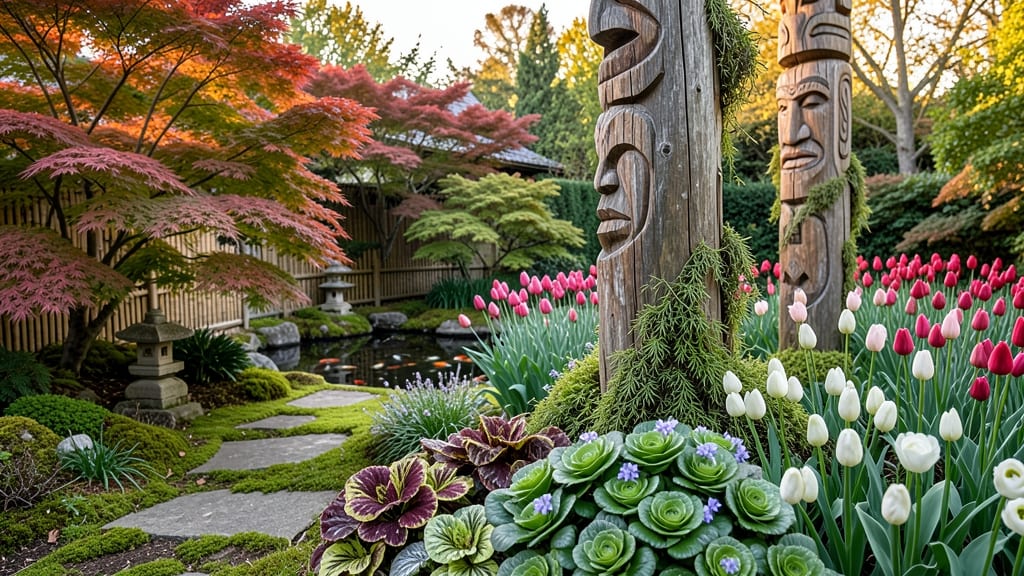
The Butchart Gardens in Victoria, BC, showcase world-famous floral displays, themed gardens, and vibrant seasonal blooms, blending horticultural artistry with Pacific Northwest beauty. Open year-round, it’s a must-visit for nature lovers and photographers alike.
The Butchart Gardens in Victoria, BC, transform with each season, offering a breathtaking experience year-round. 🌸 Spring brings millions of tulips and vibrant daffodils, while summer showcases lush roses and fragrant lavender fields. Autumn highlights fiery chrysanthemums and golden foliage, and winter dazzles with magical light displays.
Each garden—from the iconic Sunken Garden to the serene Japanese Garden—tells its own story through carefully curated plants and landscapes.
Beyond the stunning visuals, the gardens offer practical visitor perks like accessible pathways and strategic photography spots, including the famous Sunken Garden and Rose Garden. Whether you're chasing seasonal blooms or seeking a peaceful retreat, Butchart Gardens delivers unforgettable moments in every visit.
The Night Illuminations festival in winter is a highlight, turning the gardens into a winter wonderland with thousands of lights.
💡 In This Article
- Seasonal Blooms and Garden Themes at Butchart Gardens
- Essential Visitor Tips for Butchart Gardens
Seasonal blooms and garden themes at butchart gardens
The Butchart Gardens' seasonal transformations are a masterclass in horticultural timing. Spring kicks off with 1 million tulips and 50,000 daffodils, carefully selected for their hardiness in Victoria's mild but rainy climate.
The famous Sunken Garden, designed in 1932 by landscape architect Gertrude Jekyll, features 200 varieties of rhododendrons that bloom between April and June, their waxy petals repelling rain while showcasing vibrant colors.
This timing aligns with Victoria's peak rainfall months, creating a lush, almost tropical atmosphere despite the Pacific Northwest's cool temperatures.
Summer brings the 10-acre Rose Garden to full glory with 500 varieties in peak bloom from June to September. The garden's microclimate, created by its elevated position and strategic plant placement, maintains temperatures 5-10°F warmer than surrounding areas, extending the blooming season.
The Japanese Garden, with its meticulously pruned maples and azaleas, demonstrates traditional wabi-sabi aesthetics—embracing imperfection in nature's beauty. This contrast between the formal European-style Sunken Garden and the organic Japanese Garden creates a visual dialogue that's central to the gardens' design philosophy.
Autumn transforms the gardens into a fiery palette with 10,000 chrysanthemums in shades from deep burgundy to pure white, carefully chosen for their 30-45 day bloom cycle that aligns with Victoria's October weather.
The 12-acre Italian Garden, with its terracotta pots and citrus trees, offers a sensory experience where the scent of lemon verbena competes with the visual spectacle. This season's lighting design—using 1,200 LED fixtures—prepares visitors for the winter spectacle, gradually increasing illumination as daylight shortens.
Winter's centerpiece is the Night Illuminations festival, featuring 1 million lights that transform the gardens into a winter wonderland. The lighting design uses color temperature shifts—warmer tones near pathways for safety, cooler blues in water features—to create depth.
This seasonal lighting strategy isn't just aesthetic; it's a conservation technique that extends the gardens' operational season by making them accessible when daylight is limited. The 100-year-old Douglas firs in the Christmas Forest become natural light sculptures, their branches carefully positioned to create dramatic silhouettes against illuminated backdrops.
What makes these seasonal displays unique is the gardens' climate-responsive planting strategy. Each plant is selected for its ability to thrive in Victoria's USDA Zone 7b-8a climate while providing visual interest across all four seasons.
The 30-foot-high camellia bushes in the Camellia Collection, for example, bloom from November to March, bridging the gap between winter lights and spring tulips.
This careful layering of bloom times ensures the gardens never feel "off-season"—each visit reveals something new, whether it's the 100 varieties of hellebores flowering in late winter or the 50,000 spring bulbs pushing through the soil in March.
The gardens' design also incorporates botanical storytelling through plant pairings. In the Mediterranean Garden, drought-tolerant lavender grows alongside moisture-loving ferns, demonstrating ecological contrasts.
This educational approach extends to the 12-acre Trellis Garden, where climbing roses and clematis create vertical displays that showcase how plants grow in different light conditions. The result is a living curriculum that educates while it delights—each garden area becomes a lesson in plant biology, ecology, and design principles.
For visitors, this seasonal transformation means each return trip offers a completely different experience. The Sunken Garden's water features, designed with recirculating systems to conserve water, create a soothing soundtrack that changes with the seasons—from spring's gentle rain sounds to winter's misting effects.
This attention to sensory details transforms Butchart Gardens from a simple floral display into a multi-dimensional experience that engages sight, sound, and even touch through carefully placed textured pathways and fragrant plantings.