
Tools
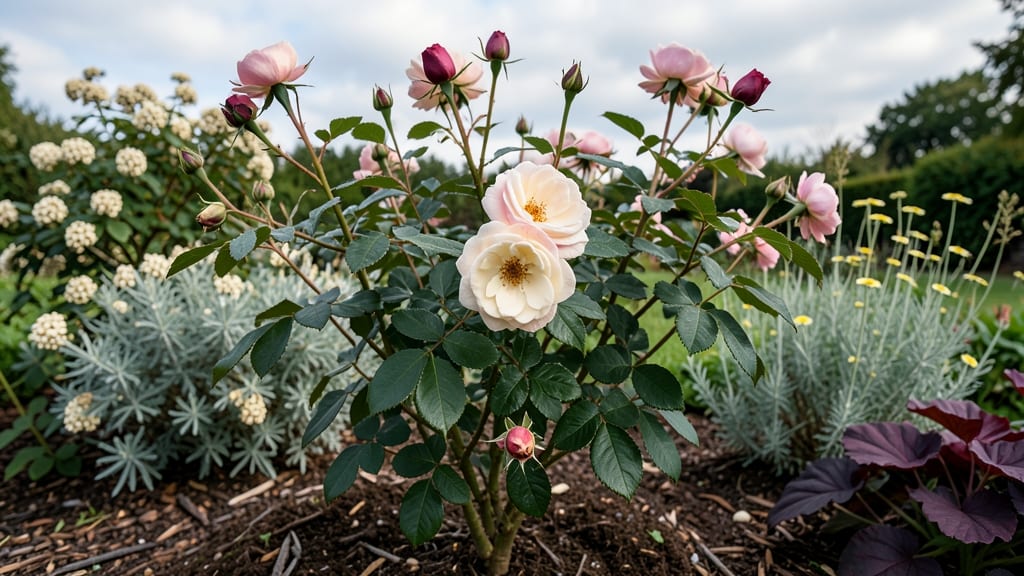
Creating a rose garden in Seattle means choosing hardy, disease-resistant varieties like Knock Out roses (Rosa 'Radrazz'), David Austin English roses (Rosa 'Gertrude Jekyll'), and David Thompson roses (Rosa 'Seattle'), all adapted to the region’s wet, mild winters and acidic soil. Focus on evergreen climbers and hybrid teas for year-round color and resilience.
A Seattle rose garden's success hinges on selecting plants that handle the region's unique challenges—think excessive moisture and cool, damp winters. 🌧️ The roses I recommend aren't just pretty; they're built to thrive where others struggle.
For example, Knock Out roses resist black spot, a common fungal issue in Seattle's climate, while David Austin varieties offer that classic rose fragrance without the fuss of constant deadheading. Evergreen climbers like 'Seattle' add winter interest, while hybrid teas deliver bold blooms when you need them most.
What sets Seattle apart is the acidic soil and high humidity, which demand careful planning. I've found that adding organic matter like compost or pine bark helps improve drainage, while mulching with cedar chips suppresses weeds and retains moisture.
Pairing roses with lavender or ferns creates a natural pest-deterrent system that works year-round. The key is balancing beauty with resilience—your garden should look stunning without requiring constant attention.
💡 In This Article
- Best Rose Varieties for Seattle’s Climate and Soil
- Designing a Low-Maintenance Seattle Rose Garden
Best rose varieties for Seattle’s climate and soil
Seattle’s climate—marked by cool, wet winters and acidic, well-draining soil—demands roses with specific traits. Knock Out roses (Rosa 'Radrazz') dominate because their disease-resistant foliage naturally repels black spot and powdery mildew, two fungal foes thriving in Seattle’s damp air.
Their hybrid vigor means they bloom continuously from spring to frost, offering year-round color without the high-maintenance care of traditional roses. The secret lies in their petal-less buds, which prevent moisture buildup—a game-changer in rainy climates.
David Austin English roses, like 'Gertrude Jekyll,' excel in Seattle because their thick, waxy leaves shed water efficiently, reducing fungal risks. These roses also produce highly fragrant blooms with a slightly smaller flower count than hybrid teas, making them hardier and more resilient to wind and rain.
The acidic soil in Seattle actually benefits these roses, as they prefer a pH range of 5.5-6.5, mirroring the natural forest floor conditions of the Pacific Northwest. 🌿
For winter interest, evergreen climbers like 'Seattle' (Rosa 'Seattle') are unbeatable. Their dark green, glossy foliage stays vibrant even in 40°F temperatures, while their deep pink blooms add structure to winter landscapes. Unlike deciduous roses that lose leaves, these varieties maintain visual appeal year-round.
The key to their success is their deep root system, which anchors them against Seattle’s frequent wind and retains moisture during dry spells.
Hybrid teas, while stunning, require more attention in Seattle’s climate. Their delicate petals can suffer in heavy rain, and their thin canes may need staking. That said, varieties like 'Double Delight' thrive with proper mulching (3-4 inches of cedar chips) and seasonal pruning to improve air circulation.
The trade-off? Their bold, showy blooms in shades of pink, red, and yellow make them worth the effort for gardeners who want dramatic seasonal displays.
Soil acidity is the silent hero here. Seattle’s native soil often tests at pH 6.0 or lower, which can stunt rose growth if not amended. Adding sulfur or pine bark fines lowers pH further, while composted manure boosts organic matter.
The result? Roses that flourish without the stress of nutrient deficiencies or root rot, common in poorly drained soils. 🌧️
Consider this: A Knock Out rose in Seattle’s climate can produce up to 100 blooms per season with minimal care, while a hybrid tea might yield half that number but with larger, more intricate flowers.
The choice comes down to whether you prioritize low-maintenance abundance or showstopping individual blooms. Both work—it’s about matching your garden’s goals to the variety’s strengths.