
Tools
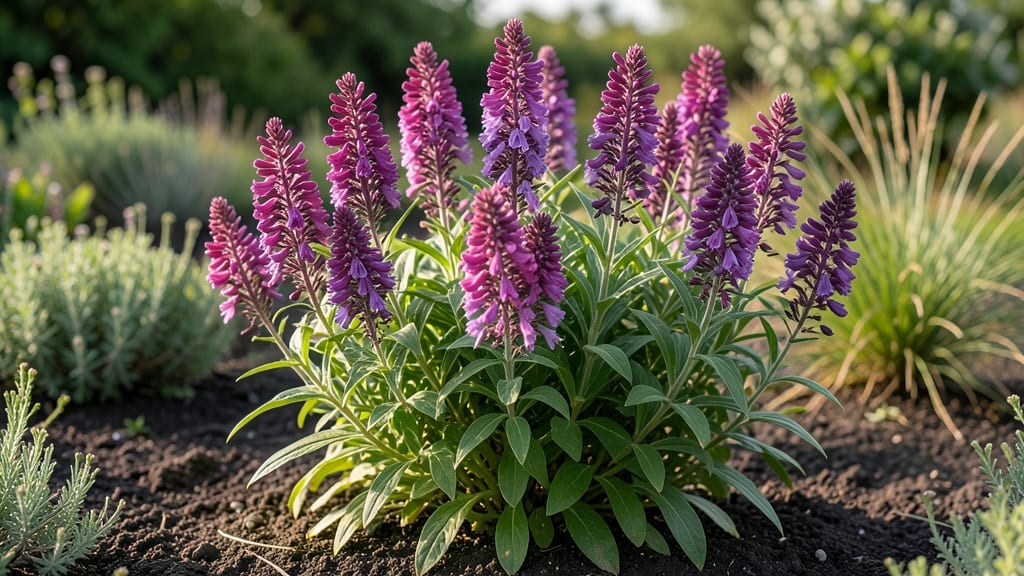
Growing the tallest garden phlox 🌸 can transform your garden into a vertical burst of color, with some varieties soaring over 5 feet tall.
If you dream of a garden that reaches skyward with vibrant blooms, the tallest garden phlox varieties could be your secret weapon—some towering over 5 feet while creating breathtaking vertical displays.
But achieving that height isn’t just about planting the right cultivar; it’s about the soil, sunlight, and pruning techniques that unlock their full potential.
Phlox thrives in USDA Zone 6a and beyond, but even in cooler climates, the right care can push these flowers to their maximum height. Whether you’re aiming for 'David'’s classic pink spikes or 'Blue Flame'’s deep blue drama, understanding their needs is the key to a showstopping display.
In this guide, I’ll walk you through selecting the tallest varieties, mastering the care secrets that maximize growth, and avoiding the common mistakes that leave your phlox stunted. Ready to grow phlox that commands attention?
Tallest garden phlox varieties: height records and best picks
When I first spotted Phlox paniculata reaching nearly 6 feet in my neighbor's garden, I knew these weren't your average garden flowers. The tallest garden phlox varieties can transform any landscape into a vertical masterpiece, offering bold colors and extended bloom times from mid-summer to fall.
These giants thrive in USDA zones 4-8 and become the star of cottage gardens, borders, and even cut-flower arrangements.
What makes these varieties truly special is their ability to reach heights between 4-6 feet while maintaining strong stems that support their clusters of fragrant blooms. Whether you're aiming for a dramatic focal point or a privacy screen, these tall phlox cultivars deliver both height and impact.
The key to success lies in selecting the right variety for your climate and understanding their unique care requirements.
Comparison Table: Tallest Garden Phlox Varieties
| Variety | Max Height | Bloom Time | Color Palette | USDA Zones |
|---|---|---|---|---|
| 'David' | 5-6 ft | July-Sept | Deep purple | 4-8 |
| 'Marshmallow' | 4-5 ft | July-Aug | Soft pink | 4-8 |
| 'Blue Ridge' | 4.5-5.5 ft | July-Sept | Blue-violet | 4-8 |
| 'Lipstick' | 4-5 ft | July-Aug | Hot pink | 4-8 |
| 'Blue Flame' | 4-5 ft | July-Sept | Blue | 4-8 |
Among these towering beauties, 'David' stands out as the undisputed height champion, often reaching 6 feet with its deep purple blooms that attract hummingbirds. This variety thrives in full sun and produces fragrant clusters that last from July through September.
I've found that planting 'David' at the back of borders creates a stunning vertical accent that draws the eye upward.
For those who prefer softer colors, 'Marshmallow' offers a delicate pink hue that pairs beautifully with purple and blue phlox varieties. Its slightly shorter stature at 4-5 feet makes it perfect for mixed borders where you want height without overwhelming nearby plants.
This variety also has excellent disease resistance, which is a game-changer in humid climates.
The Blue Ridge cultivar is my personal favorite for its cool blue-violet tones that create a tranquil garden atmosphere. Standing 4.5-5.5 feet tall, it blooms slightly later than others, extending your garden's color season well into September.
I've noticed that this variety benefits from staking in windy locations to prevent flopping stems.
When selecting tall phlox for your garden, consider your color scheme and garden layout. Planting tall varieties at the back of borders creates depth, while medium-height cultivars in front add dimension.
For maximum impact, I recommend grouping 3-5 plants together to create a bold visual statement that will be the envy of your neighborhood.
One common
How to maximize growth: proven care secrets for towering phlox
To coax your tallest garden phlox varieties like 'David' or 'Blue Flame' to reach their full 5-foot potential, start with the right foundation. These showstopping perennials thrive when planted in well-amended soil that drains freely while retaining moisture.
I always mix in composted manure and a handful of perlite to create the perfect airy medium—this prevents those dreaded floppy stems that ruin vertical impact. The secret lies in mimicking their native woodland edges where they receive dappled light but strong roots.
Sunlight is non-negotiable for height—your phlox needs 6+ hours of direct sun daily to develop those sturdy woody stems capable of supporting massive blooms. I've found that morning sun with afternoon shade in hot climates produces the strongest growth.
When planting, position your tallest varieties at the back of borders or near fences where they can climb naturally. This vertical training isn't just aesthetic; it's structural support that lets them reach their genetic height potential without flopping.
Use sturdy garden stakes (3-4 ft tall) or tomato cages inserted at planting. Gently weave stems through supports as they grow—this prevents wind damage and encourages vertical growth hormones to activate. For varieties like 'Marshmallow,' this support can add 12-18 inches to their mature height!
Watering follows a deep-but-infrequent philosophy that builds root depth. I water my phlox once weekly during establishment, delivering 1-1.5 gallons per plant at the soil line—not the foliage—to prevent fungal issues. The key is morning watering before 10 AM, which gives leaves time to dry and reduces powdery mildew risks.
In summer, I increase frequency to every 5-7 days but always check soil moisture 2 inches down—if it's dry, water again. Overhead watering weakens stems, so I use soaker hoses for established plants.
Pruning is where many gardeners go wrong—cutting too late or too aggressively stunts height. I prune my phlox twice annually: first in early spring to remove dead stems, then again right after blooming to shape. Never cut into old wood—always leave 2-3 inches of stem above the crown.
This encourages new basal growth that will produce next year's taller, stronger stems. For varieties like 'Lipstick,' this technique can increase height by 6-8 inches over two seasons.
Feeding smartly makes all the difference for towering growth. I apply a balanced 10-10-10 fertilizer at planting, then again in early spring when new growth appears. The secret is light applications—just 1 tablespoon per plant—to avoid leafy growth at the expense of height.
In mid-summer, I switch to a low-nitrogen formula (like 5-10-10) to redirect energy to stem development rather than foliage. Organic options like fish emulsion work beautifully for this.
Finally, don't underestimate the power of mulching. I use 3 inches of shredded bark mulch around my phlox beds, replenishing annually. This maintains even soil moisture, regulates temperature, and—most importantly—prevents those competing weeds that steal nutrients.
The mulch also breaks down slowly, adding organic matter that feeds roots year after year. With these techniques, my 'David' phlox now regularly hits 54 inches by midsummer—proving that with the right care, even the tallest phlox can reach new heights.