
Vegetables
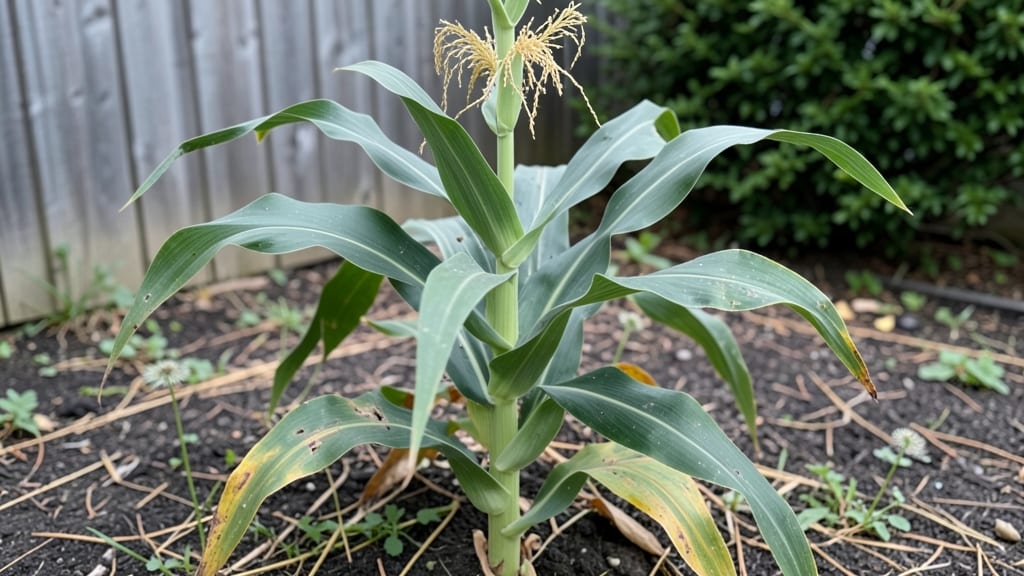
A sweet corn garden doesn’t have to be a one-time feast—with the right timing, you can stretch your harvest from July through September like clockwork.
Imagine biting into a perfectly sweet ear of corn fresh from your garden—only to have the harvest end too soon. That’s the frustration of planting once and hoping for the best. But what if you could enjoy nonstop harvests all season long, maximizing every square foot of your plot?
Sweet corn thrives when planted in waves, not all at once. By spacing out your 🌽 plantings every 2-3 weeks after the last frost in April or May, you’ll create a rolling harvest that keeps your kitchen stocked and your neighbors jealous.
In this guide, I’ll walk you through the exact schedule for your USDA Zone 6a garden, the best varieties to pick for continuous sweetness, and how to avoid the common mistakes that waste your effort.
How to plan a sweet corn succession planting schedule for maximum yield
A sweet corn garden thrives on strategy, especially when it comes to succession planting. By staggering your plantings every 2-3 weeks, you can enjoy fresh ears from early summer through fall.
This method ensures no gaps in your harvest while preventing overcrowding and disease spread. The key lies in understanding your local frost dates and selecting varieties that mature at different rates.
First, calculate your frost-free growing season. For most U.S. zones, this spans 120-160 days. If your earliest variety matures in 70 days, you can fit two more plantings spaced 2-3 weeks apart.
For example, in Zone 6a, start your first planting after the last frost (mid-April), then add two more in early May and late May. Adjust timing based on your last frost date and variety maturity.
Soil preparation is equally critical. Sweet corn prefers well-draining, fertile soil with a pH of 6.0-6.8. Before planting, amend your soil with compost or aged manure to boost nutrients.
Work in a balanced fertilizer (10-10-10) at planting time, then side-dress with nitrogen-rich fertilizer when plants reach knee height. Proper soil prep ensures vigorous growth and higher yields.
Next, choose disease-resistant varieties like 'Silver Queen' or 'Peaches and Cream' for reliability. These varieties also handle succession planting well, producing sweet ears consistently. Avoid planting the same variety in the same spot year after year to prevent soil-borne diseases.
Rotate with other crops like beans or peas, which add nitrogen to the soil—a natural boost for your corn.
Step-by-Step Succession Planting Schedule
-
Step 1: Determine Your Planting Windows
Calculate your last frost date and work backward. For a 120-day variety, plant the first batch 3 weeks before your last frost. Add subsequent plantings every 2-3 weeks until 8 weeks before your first frost.
-
Step 2: Select Varieties with Varying Maturity Dates
Choose early (60-70 days), mid (75-85 days), and late (90+ days) varieties. Example: Plant 'Early Sunglow' (65 days) first, followed by 'Ambrosia' (80 days), then 'Golden Bantam' (90 days).
-
Step 3: Prepare Planting Beds
Till the soil to a depth of 12 inches and remove weeds. Mix in 2-3 inches of compost and a balanced fertilizer (10-10-10). Space rows 24-36 inches apart to allow for airflow and easy maintenance.
-
Step 4: Plant Seeds at the Right Depth and Spacing
Plant seeds 1-1.5 inches deep, 4-6 inches apart in rows. Thin seedlings to 10-12 inches apart once they reach 6 inches tall. Overcrowding leads to poor ear development and disease.
-
Step 5: Water Consistently and Fertilize Strategically
Water 1-2 inches per week, focusing on the root zone. Apply a nitrogen-rich fertilizer when plants are knee-high and again when silks emerge. Avoid wetting the leaves to prevent fungal diseases like corn smut.
-
Step 6: Monitor for Pests and Diseases
Watch for corn earworms and corn borers. Use row covers early in the season or apply Bt spray as needed. Rotate planting locations yearly to reduce disease pressure.
-
Step 7: Harvest at Peak Sweetness
Harvest when silks turn brown and dry and kernels are milky when pierced. Use a sharp knife to cut ears from the stalk. Harvest in the morning for the sweetest flavor and longest shelf life.
Climate plays a huge role in your sweet corn garden success. In hotter regions (Zones 8-10), opt for heat-tolerant varieties like 'Peaches and Cream' and plant in fall or early spring to avoid summer heat stress.
In cooler climates (Zones 3-5), focus on short-season varieties and extend your season with row covers or a cold frame.
Label each planting batch clearly to track maturity dates. This helps you rotate harvests smoothly and avoid confusion. For example, mark your first planting as "Batch 1 (July 15 harvest)" and the second as "Batch 2 (August 10 harvest)."
This system ensures you’re always ready to pick when ears are ripe, preventing waste and maximizing enjoyment.
Finally, don’t forget to save seeds from your best ears for next year. Select ears that are fully mature, disease-free, and plump. Dry the kernels thoroughly, then store them in a cool, dark place for up to 3 years.
This saves money and ensures you have heirloom-quality sweet corn tailored to your garden’s conditions.
With this succession planting schedule, your sweet corn garden will deliver a steady stream of fresh, sweet ears all season long—no gaps, no waste, just pure gardening success! 🌽
Best sweet corn varieties for succession planting by region and season
Choosing the right sweet corn varieties for your sweet corn garden is key to a successful succession planting strategy. Not all corn thrives in every climate, so selecting heat-tolerant or short-season varieties can mean the difference between a bountiful harvest and disappointment.
Whether you're in the cool North or hot South, the right variety ensures sweet, tender ears all season.
For early-season planting, focus on varieties that mature quickly, like 'Silver Queen', which thrives in USDA Zones 3-10 and is ready in just 65-75 days. In mid-season, 'Golden Bantam' is a classic, disease-resistant choice that adapts well to moderate climates.
Meanwhile, late-season plantings benefit from 'Peaches and Cream', a heat-tolerant variety perfect for Southern gardens.
If you're in a short-season climate, like USDA Zone 2-4, opt for 'Early Sunglow', which matures in just 60-70 days and handles cooler temperatures better than most varieties.
For longer growing seasons, 'Ambrosia' is a top pick—its super-sweet kernels and disease resistance make it ideal for late-season plantings in Zones 5-10.
For succession planting, stagger your plantings every 2-3 weeks to ensure a steady supply. Start with early-season varieties like 'Silver Queen', then transition to mid-season favorites like 'Golden Bantam', and finish with late-season heat lovers like 'Peaches and Cream'.
This approach keeps your sweet corn garden productive from June through September.
Don’t forget to rotate corn varieties each season to prevent soil-borne diseases like corn smut or blight. Pairing your corn with companion plants like beans or marigolds can also improve yield and deter pests.
With the right mix of varieties and timing, your garden will be a corn lover’s paradise all season long.
Pro tip: Keep a planting journal to track which varieties perform best in your microclimate. Adjust your schedule based on local frost dates and weather patterns to fine-tune your succession planting strategy year after year.