
Plants
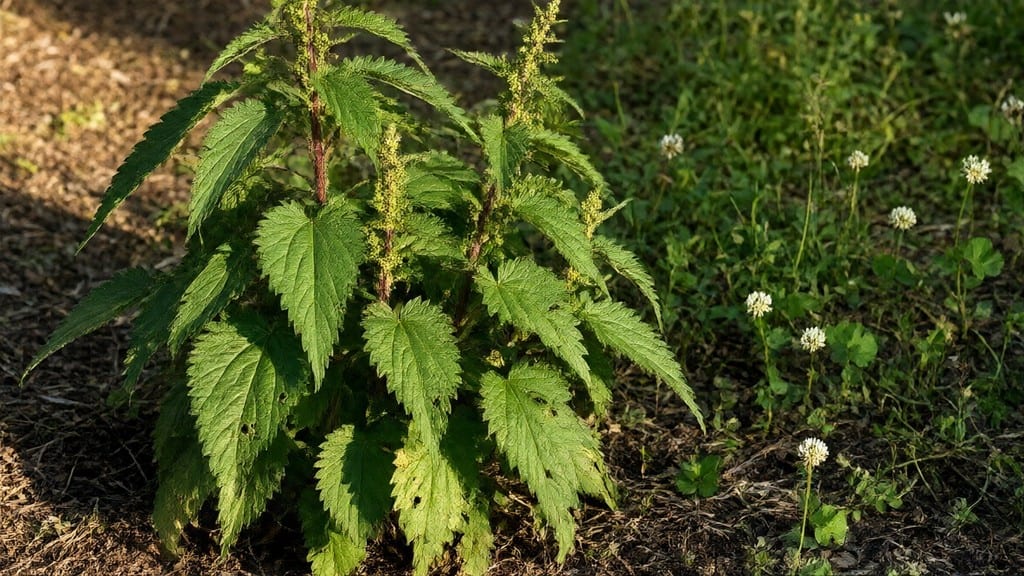
A stinging nettle garden can transform your backyard into a powerhouse of nutrition and natural remedies—this hardy perennial thrives in USDA Zone 6a and beyond.
Imagine growing a plant so nutrient-dense and versatile that it can replace spinach, boost immunity, and even treat allergies—all from your backyard. Stinging nettle (Urtica dioica) might look intimidating, but its benefits far outweigh its prickly reputation.
With the right timing—plant in March-April or September-October—you’ll have fresh leaves ready by May-June, packed with iron, calcium, and vitamin C. The key is partial shade and moist soil, making it perfect for even beginner gardeners.
Below, I’ll walk you through planting, harvesting, and even how to use nettles in tea or soups—safely and deliciously. Ready to turn those prickles into power?
How to plant and grow stinging nettle in your garden
Stinging nettle (Urtica dioica) thrives in moist, fertile soil with partial shade protection. Unlike many plants, it actually prefers rich, nitrogen-heavy soil—think compost-amended garden beds or woodland edges. The key is balancing moisture retention with good drainage to prevent root rot while supporting its rapid growth.
If your soil drains too quickly, amend it with peat moss or leaf mold to hold moisture without suffocating roots.
Timing matters most for spring planting (after last frost) or fall planting (6-8 weeks before first frost). In USDA Zone 6a, aim for March-April or September-October to give roots time to establish before extreme temperatures.
Nettle spreads aggressively, so contain it in raised beds or designate a dedicated corner if you don’t want it taking over.
Step-by-Step Planting Guide
- Step 1: Choose Your Location Select a spot with 4-6 hours of morning sun and afternoon shade. Avoid full sun in hot climates to prevent leaf scorch.
- Step 2: Prepare the Soil Test soil pH (ideal: 6.0-7.0). Mix in 2-3 inches of compost and a balanced fertilizer (10-10-10) to boost nitrogen levels.
- Step 3: Plant Seeds or Cuttings Sow seeds ¼ inch deep in rows 12 inches apart. For cuttings, root 6-inch stems in water first, then transplant.
- Step 4: Water Thoroughly Give 1 inch of water weekly (more in summer). Keep soil consistently moist but not soggy—nettle hates drought.
- Step 5: Mulch and Protect Apply 2 inches of mulch (straw or wood chips) to retain moisture. Wear thick gloves and long sleeves when handling plants.
- Step 6: Fertilize Strategically Feed with 1 tbsp 10-10-10 fertilizer per plant in early spring and fall. Avoid summer feeding—it encourages weak growth.
Companion planting can enhance nettle growth while deterring pests. Pair it with dill, chamomile, or borage to improve flavor and yield. Avoid planting near potatoes or tomatoes, as nettle may compete for nutrients.
If growing near edibles, contain it with deep root barriers—its rhizomes spread 3-5 feet underground!
Patience is key—young nettle plants grow slowly at first but can reach 3-5 feet tall by their second year. Harvest young leaves (4-6 inches long) for the tenderest texture.
Wait until May-June for spring plantings or October-November for fall plantings. Never harvest flowering stems, as they lose potency and become fibrous.
Pruning encourages bushier growth and prevents seed spread. Cut back woody stems in early spring to stimulate new shoots. If your nettle flops over in summer, stake tall stems with bamboo canes for support. This also makes harvesting easier and safer.
Watch for aphids or slugs, which may target young leaves. Spray with neem oil or introduce beneficial nematodes for organic control. Nettle is drought-tolerant once established, but wilting leaves signal underwatering. Adjust your irrigation schedule if soil feels dry 1 inch below the surface.
By year two, your nettle patch will be self-sustaining, requiring minimal care. The richer your soil, the more potent the leaves become—ideal for tea, soups, or medicinal tinctures.
With proper care, you’ll harvest enough leaves for 50+ cups of tea annually from just 5 square feet of garden space!
Remember: Always wear gloves when working with nettle. The stinging hairs (trichomes) release histamine and acetylcholine, causing itchy rashes. But once harvested and properly dried, those same compounds become powerful anti-inflammatory agents—making nettle one of nature’s most versatile garden allies. 🌿
Stinging nettle harvesting guide: when, how, and why to use protective gear
Harvesting stinging nettle at the right time ensures maximum nutritional value and tender leaves. The best time to harvest is early spring or late fall, when plants are 60-90 days old and 1-2 feet tall.
Look for vibrant green leaves that are 4-6 inches long and stems that bend easily without snapping.
For medicinal use, prioritize harvesting young leaves before the plant flowers. These leaves contain the highest levels of iron, calcium, and vitamins. If you're after roots for tea, dig them up in early spring or fall when the plant is dormant.
Roots take 2-3 years to reach full potency.
⚠️ Critical Safety Warning: Protect Yourself First!
Stinging nettle's hairs contain formic acid, which causes painful stings. Never harvest bare-handed! Wear long sleeves, gloves, and thick pants. Use tongs or shears to grasp stems, and avoid touching your face or eyes while working. If stung, rinse with cool water and vinegar to neutralize the sting.
Use sharp pruning shears or a clean knife to harvest leaves. Cut just above a leaf node to encourage new growth. For large batches, harvest in the morning when moisture levels are high, making leaves more pliable. Avoid harvesting during hot afternoons, as this can stress the plant.
After harvesting, blanch leaves for 30-60 seconds in boiling water to deactivate stinging hairs before processing. For drying, spread leaves on a screen or mesh in a well-ventilated, dark area.
Turn them every few hours to ensure even drying, which takes 3-5 days. Store dried nettle in airtight containers away from light.
Common mistakes include harvesting woody stems or flowering plants, which are tougher and less nutritious. Another error is over-harvesting one section, which can kill the plant.
Always leave at least 6 inches of growth to ensure regrowth. If storing fresh, refrigerate in sealed bags for up to 5 days.
With proper harvesting techniques and protective gear, you’ll unlock the full potential of this powerhouse plant. Whether you're making nettle tea or fertilizer tea, fresh or dried nettle is a garden treasure waiting to be used. 🌿