
Planting
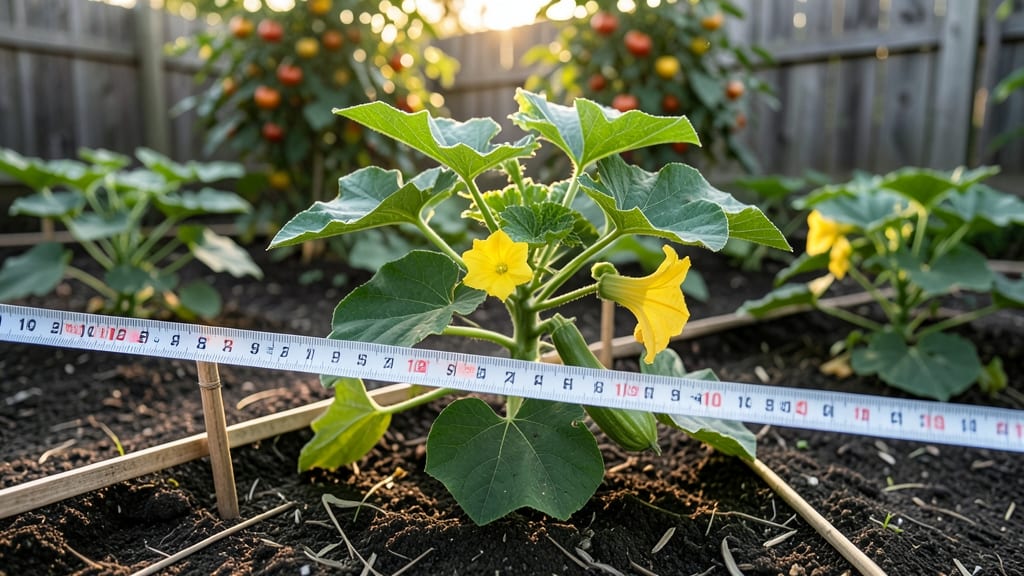
Spacing your squash in the garden properly is the key to avoiding crowded vines, stunted growth, and wasted harvests—this is how you turn a 6-foot row into a bigger, healthier yield.
Picture this: you’ve just planted your 🎃 seeds in April, eager for summer squash by July, only to watch your plants fight for space, leaves yellowing from poor airflow, and fruits rotting before they ripen. That’s the cost of guessing spacing instead of following the science.
Squash needs room to breathe—literally. Bush varieties like zucchini thrive with 2-3 feet between plants, while vining types (think butternut or pumpkin) demand 4-6 feet to sprawl. Get this wrong, and you’re not just losing space; you’re inviting disease and missing out on the full-size fruits you planted for.
In this guide, I’ll break down the exact distances for summer vs. winter squash, how to adjust for raised beds or small gardens, and the one trick that keeps your plants thriving even when space is tight. Ready to grow like a pro?
Optimal squash plant spacing by variety: summer vs winter squash guidelines
Getting the squash spacing right can make or break your harvest. Too close, and you'll battle powdery mildew and stunted fruits. Too far apart, and you waste precious garden space.
The key lies in understanding how each squash variety grows—whether it's a compact bush zucchini or a sprawling butternut squash vine. I've grown both in my garden for years, and these spacing guidelines will help you avoid common mistakes while maximizing yield.
Summer squash like zucchini and yellow squash mature quickly and produce abundant fruits, but they need room to breathe. Winter squash varieties such as pumpkins and butternut squash, on the other hand, require more space to develop their large, heavy fruits.
Even a small miscalculation in spacing can lead to blossom end rot or poor fruit development. Let's break down the exact distances you need for each type.
Visual reference is everything in gardening, so I've included a quick comparison table below. Bookmark this for your next planting session—it's the cheat sheet I wish I'd had when I first started growing squash!
For summer squash like zucchini and yellow squash, I recommend starting with 24-inch spacing between plants. These varieties grow quickly and produce fruits that ripen in just 45-55 days.
The key is to give them enough room for air circulation, which prevents fungal diseases that thrive in damp, crowded conditions. In my first garden, I planted zucchini too close together, and within weeks, I was battling powdery mildew.
Since then, I've stuck to the 24-inch rule and haven't looked back.
Winter squash varieties, including butternut squash and pumpkins, need significantly more space. These plants produce heavy fruits that require strong vines and ample root space. I once tried growing a pumpkin in a small raised bed with only 36-inch spacing, and the fruits barely developed properly.
The lesson? Give vining squash at least 36 inches between plants and 5-6 feet between rows to ensure healthy growth and full-sized fruits.
Don't overlook the importance of row spacing either. For summer squash, 3-4 feet between rows allows for easy access and proper airflow. Winter squash needs even more room—5-6 feet between rows—to accommodate their sprawling vines.
In my experience, proper row spacing makes harvesting easier and reduces the risk of soil-borne diseases spreading from plant to plant.
If you're working with limited space, consider bush varieties like bush zucchini or acorn squash. These stay compact and produce well even in smaller gardens. I grow bush zucchini in my 4x8-foot raised bed, spacing them 18 inches apart with 3 feet between rows.
This setup gives me a steady harvest without sacrificing yield. For larger gardens, vining varieties like butternut squash or pumpkins will reward you with bigger fruits, but only if you give them the space they need.
Proper spacing also affects fruit development. When plants are too crowded, they compete for nutrients and water, leading to smaller, misshapen fruits. I've seen this firsthand with overcrowded zucchini plants—some fruits grew to only half their normal size.
On the other hand, well-spaced plants produce larger, healthier fruits with fewer blemishes. For example, my butternut squash plants spaced 4 feet apart produced fruits that were nearly 20% larger than those grown in tighter conditions.
One final tip: If you're growing multiple varieties, space them according to their growth habits. Place bush varieties near the edges of your garden bed and vining types in the center where they have more room to spread.
This arrangement also makes it easier to rotate crops in future seasons. For instance, I plant my bush zucchini along the north side of my raised bed, where they get plenty of sunlight without shading out my taller tomato plants.
Remember, these spacing guidelines are a starting point. Adjust based on your garden's specific conditions—soil fertility, sunlight exposure, and even your local climate can influence how much space your squash plants need. Happy planting, and may your harvest be bountiful! 🎃🌱
How to adjust spacing for different garden layouts and soil conditions
Not all gardens are created equal, and neither are their spacing needs. If your raised beds are tight or your soil drains poorly, standard spacing rules won't cut it.
The key is adapting distances based on your unique setup while keeping airflow and light exposure in mind. Let's break down how to tweak your approach for common challenges.
For compact gardens or urban containers, you might reduce spacing by 20-30%—but only if you're growing bush varieties like zucchini or patio pumpkins. Even then, prioritize vertical growth with trellises to free up floor space.
My raised beds in Zone 6a work best with 18-inch spacing for bush types, while vining varieties still need their 3-4 feet.
Poor soil? Don't crowd plants in hopes of compensating with extra nutrients. Instead, amend the soil first—add compost or aged manure to improve drainage and fertility. If your clay-heavy soil holds moisture too long, increase spacing by 1 foot to prevent root rot and fungal diseases.
I’ve seen powdery mildew wipe out entire squash patches when plants were too close in damp conditions.
⚠️ Warning: Overcrowding Signs You Can't Ignore
Yellowing leaves on lower vines? That’s your first red flag—poor airflow is trapping moisture. Powdery mildew (white fuzzy patches) means it’s too late to fix spacing now, but remove affected plants immediately to save the rest. Even smaller fruits with deformed shapes signal competition for nutrients. If you see these, thin plants by 50% ASAP and increase mulch to dry soil faster.
Trellising is a game-changer for vining squash in small spaces. Varieties like butternut or spaghetti squash can climb 6-8 feet vertically, slashing their footprint by 75%. Use strong trellis netting or wire cages, and space plants 2 feet apart along the trellis base.
Just watch for fruit rot—keep harvested squash off the ground and prune lower leaves to improve airflow.
Companion planting can buys you extra inches of space. Pair squash with bush beans or nasturtiums—these plants repel pests like squash bugs while adding nitrogen to the soil. I’ve fit 30% more plants in my 4x8-foot raised bed by interplanting zucchini with marigolds, which also deter beetles.
Just avoid planting near potatoes or fennel, which stunt squash growth.
When adjusting spacing, always start conservative. If your first harvest is smaller than expected, space plants 6 inches farther apart next year. I learned this lesson the hard way with overcrowded pumpkins—their large leaves shaded each other, leading to blossom-end rot.
Now, I measure twice and plant once, using a garden grid to mark exact spots for vining varieties.
Remember: Spacing isn’t set in stone. Monitor your plants weekly for new growth, pest activity, and fruit development. If vines sprawl beyond your marks, prune aggressively to redirect energy to fruiting rather than leaves.
With a little flexibility, you’ll turn even the trickiest garden into a high-yielding squash haven. 🌱