
Flowers
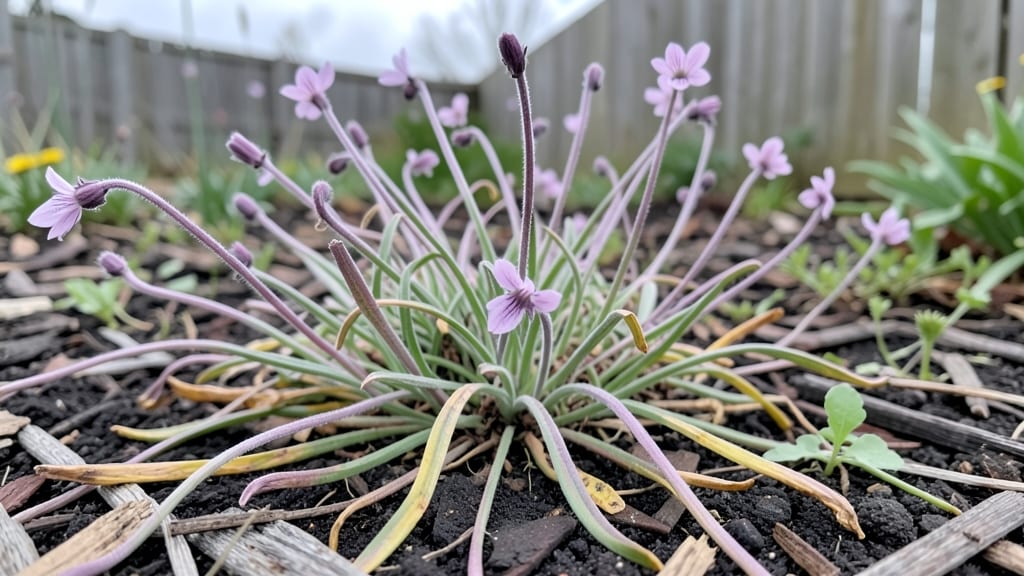
Adding spiderwort to your garden unlocks a year-round display of bold purple blooms with almost no effort—once you know its simple secrets.
Picture this: vibrant 🌸 flowers popping up from early spring through summer, thriving in USDA Zone 6a without fuss. But here’s the catch—plant it wrong, and you’ll end up with leggy stems and sparse blooms instead of that dreamy cottage-garden look.
I’ve spent years perfecting my spiderwort patches, and the key lies in timing, soil, and a few strategic pruning cuts. Skip the guesswork, and you’ll get two feet of lush foliage and months of color with minimal upkeep.
In this guide, I’ll walk you through the exact steps to plant, feed, and maintain spiderwort so it becomes the star of your garden—not just another forgettable perennial.
How to plant and establish spiderwort for maximum purple bloom impact
Spiderwort (Tradescantia) is my go-to for adding bold purple accents to gardens with minimal fuss—but only if you nail the planting process. Unlike finicky annuals, this hardy perennial rewards patience with vibrant blooms that return yearly.
The secret lies in strong root establishment during those first critical weeks after planting.
Timing is everything with spiderwort. Planting too early risks frost damage, while waiting too long can stunt early growth. Aim for late spring (after your last frost date) when soil temps hit at least 50°F.
This gives roots 4-6 weeks of warm weather to settle before summer heat arrives.
Step-by-Step Planting Guide
- Step 1: Choose your spot
-
Step 2: Test soil conditions
-
Step 3: Prepare planting holes
-
Step 4: Plant with proper spacing
-
Step 5: Water thoroughly
-
Step 6: Apply mulch layer
Step 1: Choose your spot - Select a location with 4-6 hours of morning sun and dappled afternoon shade. Spiderwort tolerates partial shade but blooms most vibrantly with at least 4 hours of direct sunlight daily. Avoid hot, western exposures that can scorch leaves.
Step 2: Test soil conditions - Spiderwort thrives in well-draining, slightly acidic soil (pH 6.0-7.0). If your soil is heavy clay, amend with 2-3 inches of compost or sand to improve drainage. A simple soil test kit (available at garden centers) makes this easy.
Step 3: Prepare planting holes - Dig holes twice as wide as the root ball but only as deep as the container. This prevents root suffocation while encouraging outward growth. For bare-root plants, loosen roots gently before placing in the hole.
Step 4: Plant with proper spacing - Space plants 12-18 inches apart to allow for full growth (mature size is 1-2 feet tall). Closer spacing leads to crowded foliage and fewer blooms. Group 3-5 plants together for a dramatic purple impact in borders.
Step 5: Water thoroughly - After planting, water deeply to eliminate air pockets. Use a hose with gentle spray or watering can to avoid disturbing soil. Aim for 1-2 inches of water per week during establishment (first 4-6 weeks).
Step 6: Apply mulch layer - Spread 2-3 inches of organic mulch (like shredded bark or straw) around (not touching) the plant stem. This retains moisture, regulates soil temperature, and suppresses weeds. Replenish mulch annually as it breaks down.
Once planted, spiderwort's early care determines whether you'll see vibrant blooms by summer or struggle with leggy, sparse growth. The key is consistent moisture without soggy soil. I water mine every 5-7 days in summer, always in the early morning to prevent fungal issues.
A drip irrigation system works best to deliver water directly to roots.
Fertilizing lightly in early spring (with a balanced 5-10-10 formula) gives spiderwort the nutrient boost it needs for robust foliage. Avoid heavy feeding—this plant prefers lean conditions over rich soil. Over-fertilizing leads to excessive leaf growth at the expense of those stunning purple blooms you're after.
Watch for yellowing leaves or flopping stems—these are signs of overwatering or poor drainage. Spiderwort is surprisingly drought-tolerant once established, but young plants need regular watering to develop strong roots. If your garden has heavy clay soil, consider planting in raised beds for better control.
By following these steps, you'll establish spiderwort that blooms prolifically from its first season. The purple impact comes from healthy roots, and that starts with proper planting. Trust me—once you see those first blooms in late spring, you'll be hooked on spiderwort's effortless beauty.
Spiderwort care guide: soil, water, and pruning secrets for year-round health
Spiderwort (Tradescantia) might seem like the ultimate low-maintenance plant, but its year-round health depends on a few key care secrets—especially when it comes to soil conditions and watering habits.
Many gardeners assume spiderwort thrives on neglect, but overwatering or poor soil drainage can quickly turn those vibrant blooms into a sad, leggy mess. Let’s fix that with science-backed tips to keep your spiderwort lush and blooming season after season.
One of the biggest misconceptions about spiderwort is that it’s drought-proof. While it’s moderately drought-tolerant, it still needs consistent moisture to prevent wilting stems and stunted growth.
The trick is balancing watering with well-draining soil—too much moisture leads to root rot, while too little causes the plant to stretch awkwardly toward light. Let’s dive into the specifics so you can avoid these common pitfalls.
Spiderwort in Garden: Pros and Cons
- Drought-tolerant once established
- Thrives in partial shade (ideal for woodland gardens)
- Attracts pollinators like bees and butterflies
- Perennial—returns yearly with proper care
- Can become leggy without pruning
- Sensitive to waterlogged soil (root rot risk)
- Needs well-draining soil to prevent fungal issues
- May flop over in heavy rain without support
Key Takeaway: Spiderwort is low-maintenance but not no-maintenance. Prioritize soil drainage and light pruning to keep it thriving.
Let’s start with soil pH, which is often overlooked but critical for spiderwort health. This plant prefers slightly acidic to neutral soil, ideally between 6.0 and 7.0 pH.
If your soil is too alkaline (above 7.5), the plant may struggle to absorb nutrients, leading to pale leaves and fewer blooms. Test your soil with a simple kit, and amend it with peat moss or compost if needed.
A 2-inch layer of mulch around the base also helps retain moisture and regulate temperature.
When it comes to watering schedules, spiderwort’s needs change with the seasons. In spring and summer, water deeply once a week (or every 5-7 days in extreme heat), ensuring the top 2 inches of soil dry out between waterings.
In fall and winter, reduce watering to every 2-3 weeks unless your region experiences prolonged drought. Always water at the base of the plant in the morning to prevent fungal diseases like powdery mildew, which thrives in damp foliage.
Pruning is where many gardeners go wrong—either skipping it entirely or cutting back too aggressively. To maintain bushy growth and encourage more blooms, prune spiderwort after flowering (late summer) by cutting back 1/3 of the plant’s height. This removes spent blooms and leggy stems, stimulating new growth.
For container-grown spiderwort, pinch back the tips of new shoots in early spring to encourage branching. Avoid heavy pruning in late fall, as the plant needs energy to prepare for winter.
Here’s a pro tip: If your spiderwort starts looking overcrowded or floppy, it’s time to divide and transplant. Every 3-4 years, dig up the plant, separate the clumps, and replant them in fresh soil.
This rejuvenates the plant and prevents soil depletion, which can lead to poor blooming over time. Just be sure to water thoroughly after transplanting to reduce shock.
With the right soil conditions, watering routine, and pruning strategy, your spiderwort will reward you with bold purple blooms for years to come—proving that even "low-maintenance" plants need a little love to shine. 🌸