
Landscaping
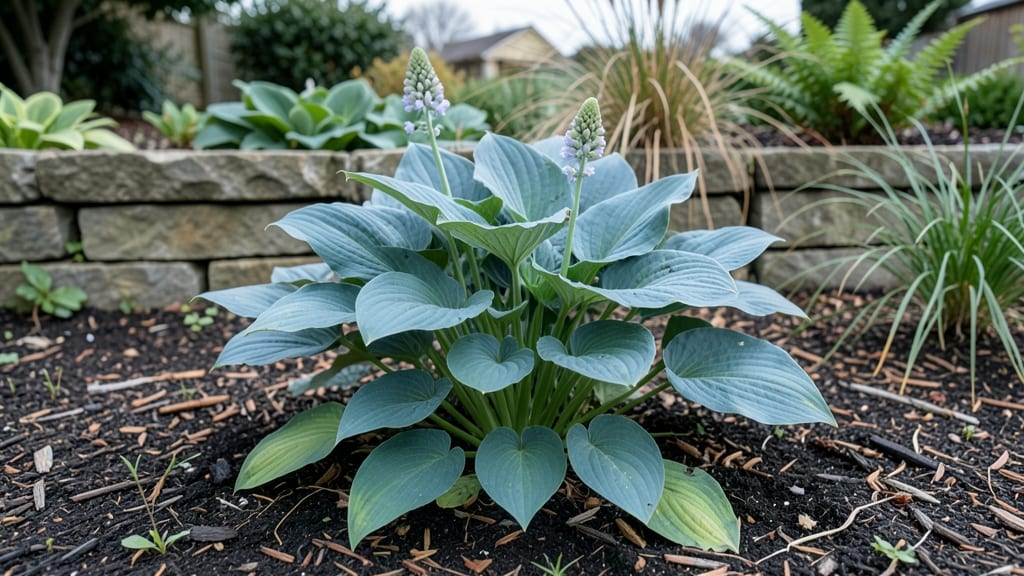
A small walled garden can transform even the tightest corner into a vibrant, private retreat—think vertical layers, clever plant stacking, and walls that do double duty as both structure and greenery.
Picture this: your morning coffee on a secluded bench, surrounded by fragrant herbs and blooms, all tucked into a space smaller than your living room.
The secret isn’t just in the plants—it’s in how you design the walls to stretch upward, hide neighbors’ views, and create the illusion of more room than you’ve got.
Whether you’re working with a cramped courtyard or a narrow balcony, the right layout turns limitations into a gardener’s advantage. Below, I’ll show you how to pick plants that climb, thrive in tight spaces, and keep your oasis lush year-round—without needing a backyard.
Ready to turn that overlooked patch into a serene escape? Let’s get started with layouts that work in any small space.
Best space-saving walled garden layouts for small yards
A small walled garden doesn’t mean sacrificing beauty or functionality. With the right layout, you can create a private sanctuary that maximizes every inch of space while adding value to your home. The key is thinking vertically and strategically—using walls, corners, and even rooftops to expand your growing area.
Whether you’re working with a 4-foot-wide strip or a 10x10-foot courtyard, these layouts prove that small spaces can yield big results.
Walled gardens offer natural privacy screens and protection from wind, pests, and urban noise. By layering plants of varying heights and textures, you can create depth and visual interest without taking up extra square footage.
The best designs combine functional zones—like herb spirals, seating nooks, and vertical veggie patches—with aesthetic appeal. Let’s explore the top layouts that work wonders in tight spaces.
🌱
| Layout Type | Best For | Space Needs | Privacy Level | Key Features |
|---|---|---|---|---|
| Tiered Planters | Balconies, rooftops, narrow walls | 3-6 ft wide | Moderate (add vines) | Stacked containers, cascading plants, easy access |
| Trellis Walls | Sunny courtyards, patio edges | 4-8 ft wide | High (climbing plants) | Vertical vines, pergola-style, year-round greenery |
| Corner Gardens | Urban yards, alleyways | 2-5 ft radius | Excellent (360° coverage) | Curved beds, mixed heights, focal points |
| Herb Spirals | Kitchen gardens, small plots | 3-4 ft diameter | Low (open design) | Spiral shape, sun-loving herbs, compact growth |
| Rooftop Boxes | Apartment balconies, flat roofs | 2-3 ft deep | Minimal (container walls) | Lightweight planters, drought-tolerant plants, wind protection |
My favorite small walled garden layout for beginners is the tiered planter system. These stacked containers create instant vertical interest while keeping plants organized by sunlight and water needs.
Start with a bottom layer of shrubs like dwarf boxwood or lavender, then add mid-height perennials such as salvia or catmint, and top with trailing plants like sweet potato vine or nasturtiums. This creates a living privacy screen
How to choose plants for a small walled garden (privacy + aesthetics)
A small walled garden thrives on strategic plant selection—prioritizing height diversity, foliage texture, and year-round interest to create both privacy and visual appeal. The key is blending climbing plants, compact shrubs, and ground covers that maximize vertical space while keeping maintenance manageable.
For example, a jasmine vine can soften a tall wall, while lavender adds fragrance and structure at mid-height.
Start by assessing your garden’s sunlight exposure and wall orientation. North-facing walls benefit from shade-tolerant climbers like clematis, while south-facing spaces can support sun-loving perennials such as roses or dwarf hydrangeas.
Even a narrow strip of land can become a lush privacy screen with the right plant mix—think boxwood hedges paired with creeping thyme to fill gaps.
Here’s a curated plant guide for small walled gardens, balancing height, seasonal color, and low-maintenance care to ensure your space feels both secluded and stunning year-round.
For instant privacy, pair clematis (a fast-growing climber) with boxwood (a dense evergreen hedge). The clematis will climb your wall, while the boxwood fills the base, creating a green curtain that blocks views while adding texture.
In shadier spots, ivy or star jasmine thrive, offering fragrant blooms without demanding full sun.
Don’t overlook seasonal layers—plant spring bulbs like daffodils beneath shrubs for early color, then add fall foliage like Japanese maple for autumn interest. Even evergreen ground covers such as sedge or ajuga keep your garden lush year-round with minimal effort.
The goal? A multi-sensory experience where every season brings something new.
Finally, prune strategically to maintain shape and encourage growth. Trim climbers after flowering, shrubs in late winter, and ground covers as needed to fill bare spots. With the right mix, your small walled garden will feel like a hidden sanctuary—not just a tiny space.