
Pests
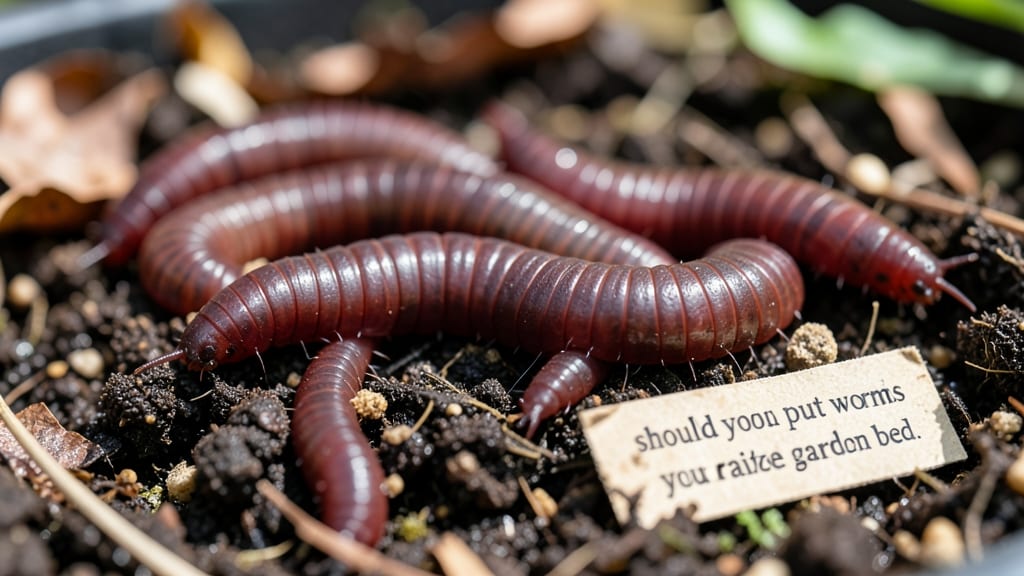
You should put worms in your raised garden bed because they naturally enhance soil fertility by decomposing organic material, creating air pockets for roots, and releasing nutrient-rich castings—just use red wigglers (Eisenia fetida) and maintain proper moisture, shade, and bedding.
Adding worms to your raised garden bed creates a self-sustaining ecosystem that mimics nature's own composting process. 🌱 These beneficial creatures, known as red wigglers, transform kitchen scraps and plant debris into nutrient-dense castings that feed your plants more effectively than many synthetic fertilizers.
The tunnels they create improve drainage while increasing oxygen flow to roots, which leads to stronger, healthier plants over time.
For best results, start with about 1 pound of red wigglers per square foot of bed space, and provide a mix of shredded newspaper, coconut coir, or leaves as bedding. Keep the environment moist but not soggy—think of a wrung-out sponge—and avoid direct sunlight, which can dry them out.
Within weeks, you'll notice richer soil and fewer pests as the worm population thrives.
💡 In This Article
- How Worms Transform Raised Garden Bed Soil
- Best Practices for Adding Worms to Raised Beds
How worms transform raised garden bed soil
Red wigglers (Eisenia fetida) act like tiny soil engineers, breaking down organic matter through their digestive systems. When they consume plant debris, food scraps, or bedding materials, their gizzard grinds everything into a fine powder before passing it through their intestines.
This transformed material—called castings—contains higher levels of nitrogen, phosphorus, and potassium than the original waste, plus beneficial microbes that plants can easily absorb. 🔥 Unlike chemical fertilizers that provide quick but short-lived nutrients, worm castings release nutrients gradually over weeks, creating a slow-release feeding system.
Their tunneling activity creates a network of channels that improve soil aeration by up to 50% more oxygen compared to undisturbed soil. These tunnels also enhance water infiltration, reducing runoff and allowing roots to access moisture more efficiently.
Studies show that worm-inhabited soil holds 30-40% more water than non-worm soil, which is especially valuable in raised beds where moisture can evaporate quickly. The physical structure becomes looser and more crumbly, resembling the texture of high-quality potting mix rather than compacted garden soil.
Worms also stimulate microbial activity by creating microhabitats where bacteria and fungi thrive. Their castings contain enzymes that break down complex organic compounds into simpler forms plants can use, while their burrowing mixes different soil layers, distributing nutrients evenly.
This biological process creates a synergistic ecosystem where each component—worms, microbes, and plant roots—supports the others. The result is soil with better structure, higher fertility, and greater resilience against compaction and erosion.
One often-overlooked benefit is pest control. Worms consume harmful pathogens and larvae in the soil, reducing the need for chemical pesticides. Their presence also deters some soil-dwelling pests like cutworms by making the environment less hospitable.
However, they won't eliminate all pests—think of them as part of an integrated approach rather than a standalone solution. The key difference from chemical fertilizers is that worms create long-term soil health rather than just temporary nutrient spikes.
For visual evidence, compare a worm-active raised bed to one without worms after 3-4 months. The worm bed will show darker, richer soil that crumbles easily between your fingers, while the other may appear lighter and more powdery.
The color change comes from increased organic matter content and better microbial activity. This transformation happens because worms don't just add nutrients—they fundamentally alter the soil's physical and biological properties through their continuous activity.