
Advice
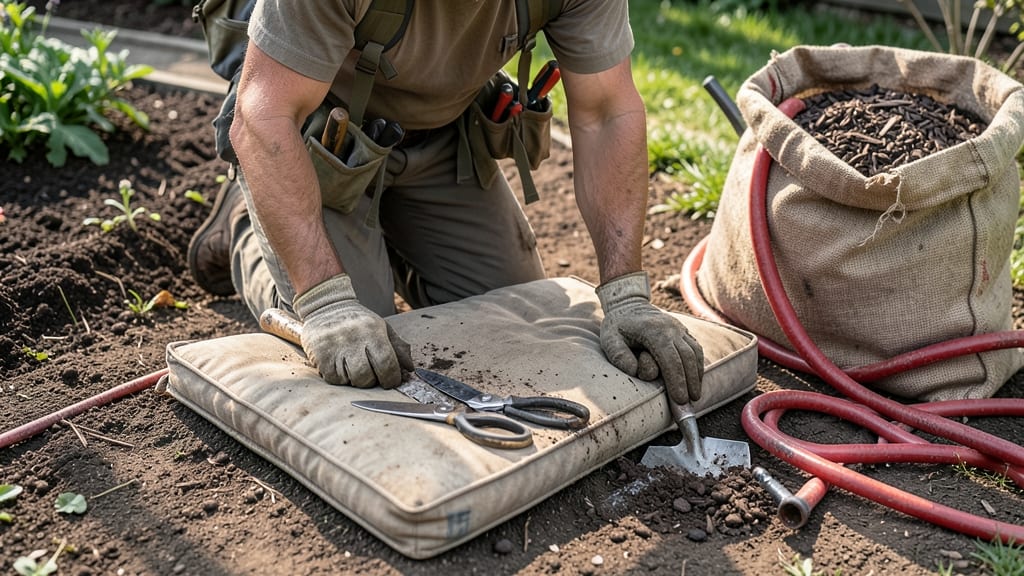
Severe lower back pain after gardening often comes from repetitive bending, heavy lifting, or holding awkward positions for too long. To ease the discomfort fast, stretch your lower back gently, apply ice or heat, and rest on a firm surface while avoiding further strain.
Gardening might seem like harmless outdoor fun, but the physical demands—like twisting to reach plants, hauling heavy bags of soil, or kneeling for extended periods—can really take a toll on your lower back. 🌱 The repetitive motions compress your spinal discs and strain muscles that aren't used to this kind of workload.
I've seen even seasoned gardeners end up with sharp pain after just an hour of digging or weeding, especially if they skip proper posture or ignore early warning signs like stiffness.
The key is recognizing when your body needs a break and adjusting your technique before the discomfort turns into something more serious.
What's interesting is how small changes can make a big difference. For example, using a kneeling pad with arm rests reduces the strain on your spine by keeping your hips elevated, while a lightweight wheelbarrow distributes the weight of heavy loads more evenly.
I always recommend taking a 5-minute stretch break every 30 minutes—simple movements like cat-cow stretches or gentle pelvic tilts can prevent muscle tightness from building up.
💡 In This Article
- Common Gardening Movements That Trigger Lower Back Pain
- Safe Gardening Techniques to Prevent Future Back Pain
Common gardening movements that trigger lower back pain
Gardening's most painful movements often involve bending at the waist while lifting or twisting—actions that put immense pressure on your lumbar spine.
When you bend forward to dig or weed, your spine compresses by up to 50% of its normal height, forcing spinal discs to bear 3-4 times your body weight. This is why even light tasks like pulling weeds can trigger sharp pain if done repeatedly without proper form.
The erector spinae muscles along your back also work overtime to stabilize your spine during these movements, leading to micro-tears and inflammation over time. 🌱
Carrying heavy pots or bags of soil compounds the problem by forcing your back to compensate for uneven weight distribution. Studies show that lifting objects with poor posture increases disc pressure by 200-300% compared to lifting with a straight back and bent knees.
Even seemingly harmless tasks like reaching for tools on the ground create a twisting motion that rotates your spine while your legs remain stationary—a combination that puts your lower back at high risk for strain.
The repetitive nature of gardening means these movements can lead to cumulative trauma, where small injuries add up over time.
Prolonged kneeling or squatting also strains your lower back by shortening your hip flexors and tightening the muscles around your pelvis. This creates an imbalance where your lower back arches excessively to compensate, increasing pressure on your lumbar discs.
The average gardener spends 30-60 minutes in these positions without realizing how much strain they're accumulating. What's worse is that many people hold their breath during these movements, which increases intra-abdominal pressure and further compresses your spine.
This involuntary muscle tension can trigger sudden, sharp pain that radiates down your legs—a classic sign of nerve irritation.
Specific gardening tasks like digging with a spade or using a trowel create additional risks. Digging requires you to rotate your torso while maintaining a bent position, combining two high-risk movements.
The force generated by pushing a spade into hard soil can create 200-300 pounds of pressure on your lower back with each stroke. Similarly, using a hoe or rake for extended periods keeps your arms extended and your back rounded, which overworks your erector spinae muscles.
Even pruning or trimming plants at awkward angles forces you to twist and reach, creating torque that your spine wasn't designed to handle repeatedly.
One often overlooked factor is the garden's surface itself. Uneven ground forces your body to constantly adjust its posture, creating micro-movements that add up to significant strain.
Walking on soft soil or stepping on rocks also disrupts your natural gait, throwing off your balance and increasing the load on your lower back. The cumulative effect of these movements—especially when combined with fatigue—can turn a pleasant gardening session into a painful experience.
Understanding these biomechanical stressors is the first step to protecting your back while still enjoying your garden. 💫
Consider this: The average gardener performs 2-3 thousand repetitive motions in just one hour of work. Each of these movements, when done incorrectly, contributes to the gradual breakdown of your spinal support system.
This is why even experienced gardeners can suddenly develop back pain after years of seemingly harmless activity—the cumulative effect of poor mechanics over time catches up with you. Recognizing these high-risk movements is crucial for making immediate adjustments that can prevent long-term damage.