
Tools
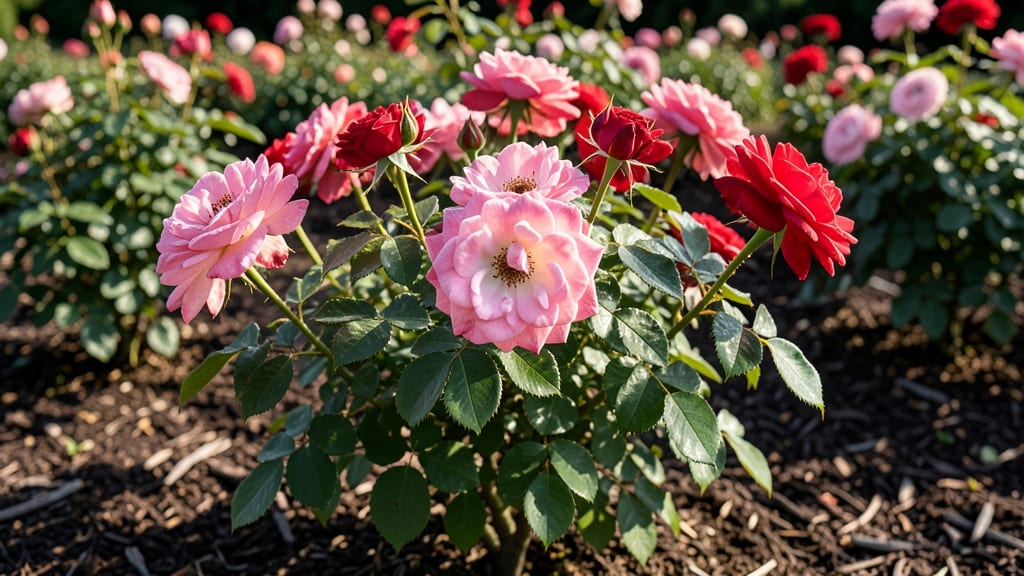
The song Rose Garden by Lynn Anderson uses roses as a poetic lens to explore life’s fleeting beauty and inevitable passage, weaving together imagery of blooming flowers and wilting petals to capture love's dual nature—both vibrant and fragile.
The song’s lyrics paint a vivid picture of nature’s cycles, where roses symbolize the delicate balance between joy and loss. 🌹 Anderson’s use of gardening metaphors—like "roses are red, violets are blue"—creates a timeless connection between floral beauty and human emotions, making the song resonate across generations.
What’s fascinating is how the imagery mirrors real gardening wisdom: just as roses need careful nurturing to thrive, relationships require attention to endure beyond their peak moments.
Beyond its poetic appeal, Rose Garden offers practical insights for gardeners and romantics alike.
The song’s themes of renewal and decay align perfectly with seasonal planting cycles, reminding us that even as flowers fade, new growth is always possible. 🌿 Whether you’re tending a rose garden or nurturing a relationship, the song’s message is clear: beauty is temporary, but the lessons we learn from its fleeting nature are enduring.
💡 In This Article
- Symbolism of Roses in Rose Garden Lyrics
- Gardening Inspiration from Rose Garden’s Themes
Symbolism of roses in Rose Garden Lyrics
The roses in Rose Garden aren’t just decorative—they’re emotional anchors. Lynn Anderson uses them to mirror human relationships, where beauty and fragility exist side by side.
The song’s opening lines—"Love’s like a rose garden, full of sweet flowers"—paint roses as symbols of love’s allure, but the deeper metaphor lies in their impermanence.
Roses typically bloom for just 5-7 days before wilting, making them perfect symbols for life’s fleeting moments of joy. 🌹 This duality is what makes the song’s imagery so powerful: the garden represents both the height of beauty and its inevitable decline.
Anderson’s lyrics also highlight specific botanical details that deepen the symbolism. The phrase "roses are red, violets are blue" nods to traditional rose imagery while introducing violets—flowers that symbolize faithfulness and humility.
The contrast between these two flowers mirrors the song’s theme of love’s complexity: roses may be stunning but short-lived, while violets endure quietly.
The song’s mention of "dew on the roses" adds another layer, as morning dew represents both renewal and transience, evaporating by midday just as youthful love often fades under life’s pressures.
What’s fascinating is how the song’s imagery aligns with real rose biology. Most garden roses produce 100-200 petals per bloom, each one a delicate layer that falls away with time. This natural process parallels the song’s themes of peeling back layers—like how relationships reveal deeper truths as superficial beauty fades.
The lyrics "Love’s like a rose garden, full of sweet flowers" also evoke the garden’s sensory richness: the sweet fragrance of roses, the velvety texture of petals, and the thorny barriers that protect their beauty—all mirroring love’s sweetness, softness, and occasional pain. 💛
The song’s bridge—"And when the night comes and the daylight’s gone, love’s like a rose garden, full of sweet flowers"—introduces time as a critical factor. Roses open their petals in daylight and close at night, symbolizing how love’s fullness is tied to presence and attention.
This biological rhythm reinforces the song’s message: love, like roses, thrives in the light but must be nurtured daily to endure. The imagery of "wilting roses" in the outro isn’t just poetic—it’s a literal reminder that all beauty, including love, has an expiration date.
Anderson’s use of roses also taps into cultural symbolism. In Victorian times, roses carried specific meanings: red for passion, white for purity, and yellow for friendship. The song’s roses aren’t tied to a single color, suggesting that love’s complexity defies simple classification.
This ambiguity makes the song’s message universal—whether you’re interpreting it as romantic love, familial bonds, or even self-love, the rose garden becomes a canvas for personal reflection.
The song’s enduring popularity proves that this botanical metaphor resonates because it’s a language we all understand, even if we’ve never tended a garden. ✨
What most listeners overlook is how the song’s structure mirrors the life cycle of a rose. The verses build like a bud opening—full of potential and promise—while the chorus represents the bloom’s peak. The bridge then acts as the gradual decline, and the outro is the final wilting.
This isn’t just clever writing; it’s a musical representation of nature’s cycles, inviting listeners to see their own lives through the same lens of beauty and impermanence. The genius of Rose Garden lies in its ability to turn a simple flower into a mirror for human experience. 🌿